Simple Guide to Choosing the Best Time to Climb Kilimanjaro for Your Priorities
The best time to climb Kilimanjaro isn’t just one perfect month — it’s the window that fits your trip. Most people fixate on weather. They’re only half-correct. You also need to balance crowds, visibility, summit comfort, and even how the climb connects to a safari or Zanzibar afterwards. This guide will give you real, on-the-ground advice — not another generic dry-season list — so you can make a confident decision before you commit your time and money. I’ll walk you through Tanzania’s climbing seasons, what each month actually feels like on the mountain, and how to pick based on what matters most to you: photography, fewer people, warmer nights, or the highest summit success odds. No hype, just honest planning.When Is the Best Time to Climb Kilimanjaro for You?
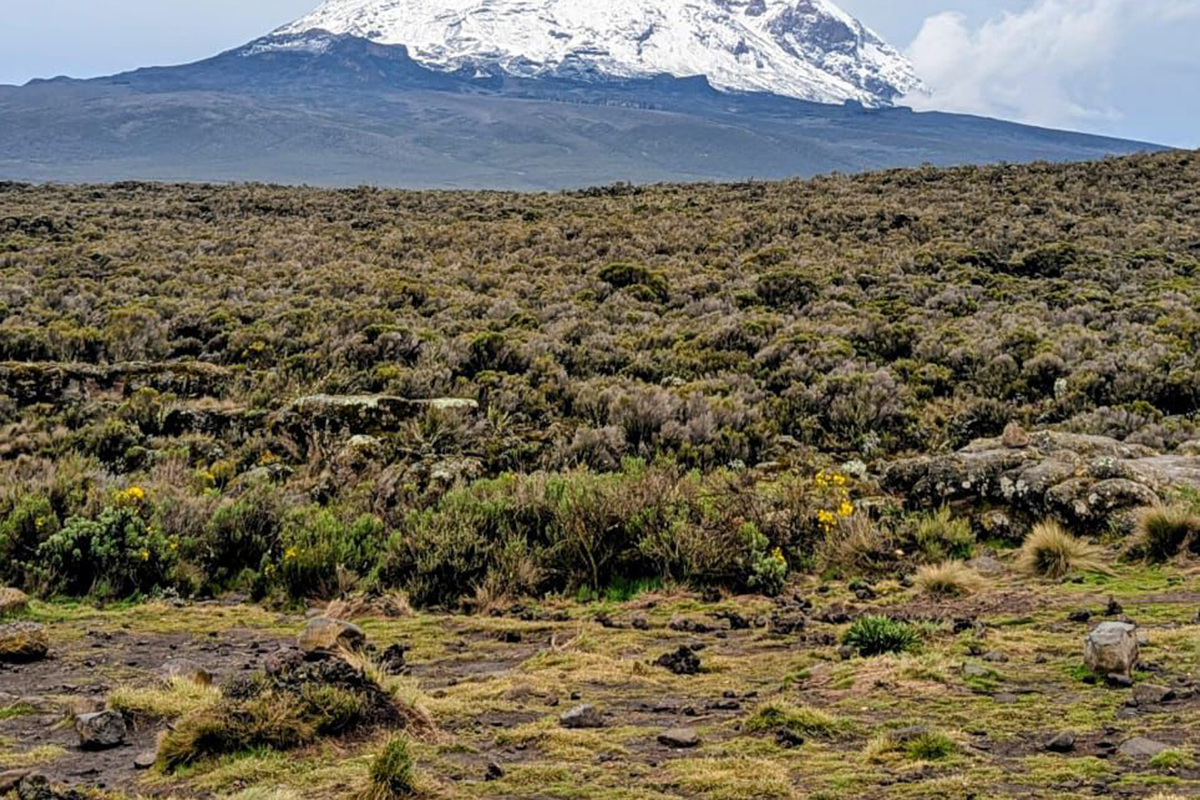 Most guides will tell you to climb in the dry months. That’s solid advice — but incomplete. The two main dry seasons are January to early March and June to October. Both deliver clearer skies and less mud on the trail. But they feel very different. January and February are warmer, with occasional light clouds building in the afternoon. July through September are colder, often with thin, crisp air and postcard-blue mornings. Each one appeals to a different kind of climber.
What’s missing from that simple advice is the trade-off. Peak dry months bring more climbers. If you want almost silent trails and don’t mind a slight rain risk, a shoulder month like March or early June could be your sweet spot. The real question isn’t “when is the overall best time?” but “which window lines up with my priorities — comfort, cost, cameras, or calm?”
Most guides will tell you to climb in the dry months. That’s solid advice — but incomplete. The two main dry seasons are January to early March and June to October. Both deliver clearer skies and less mud on the trail. But they feel very different. January and February are warmer, with occasional light clouds building in the afternoon. July through September are colder, often with thin, crisp air and postcard-blue mornings. Each one appeals to a different kind of climber.
What’s missing from that simple advice is the trade-off. Peak dry months bring more climbers. If you want almost silent trails and don’t mind a slight rain risk, a shoulder month like March or early June could be your sweet spot. The real question isn’t “when is the overall best time?” but “which window lines up with my priorities — comfort, cost, cameras, or calm?”
A Quick Kilimanjaro Climbing Seasons Guide
Kilimanjaro has no winter or summer like you know at home. Instead, Tanzania’s long and short rains define the trekking year. The long rains run roughly from late March through May, making trails slippery and summits socked in cloud. The short rains land in November, often as afternoon showers that clear by evening. This pattern shapes the two safe, reliable climbing windows you’ve already seen: January–early March and June–October. But here’s what first‑timers from the USA, Europe, or Middle East often don’t realize: Kilimanjaro is climbable year‑round. Even during the wettest weeks, determined hikers still summit. Guides and porters just work harder to keep you safe. So when you hear “do not climb in April,” understand that advice is about comfort and success probability, not impossibility. This Kilimanjaro climbing seasons guide exists because foreign travelers need to connect Tanzania’s rain patterns to real trekking logistics — muddy boots, slower pacing, and sometimes zero summit views — so you can decide if a discount off‑season rate is worth that risk.January to Early March: Warm Clear Summits
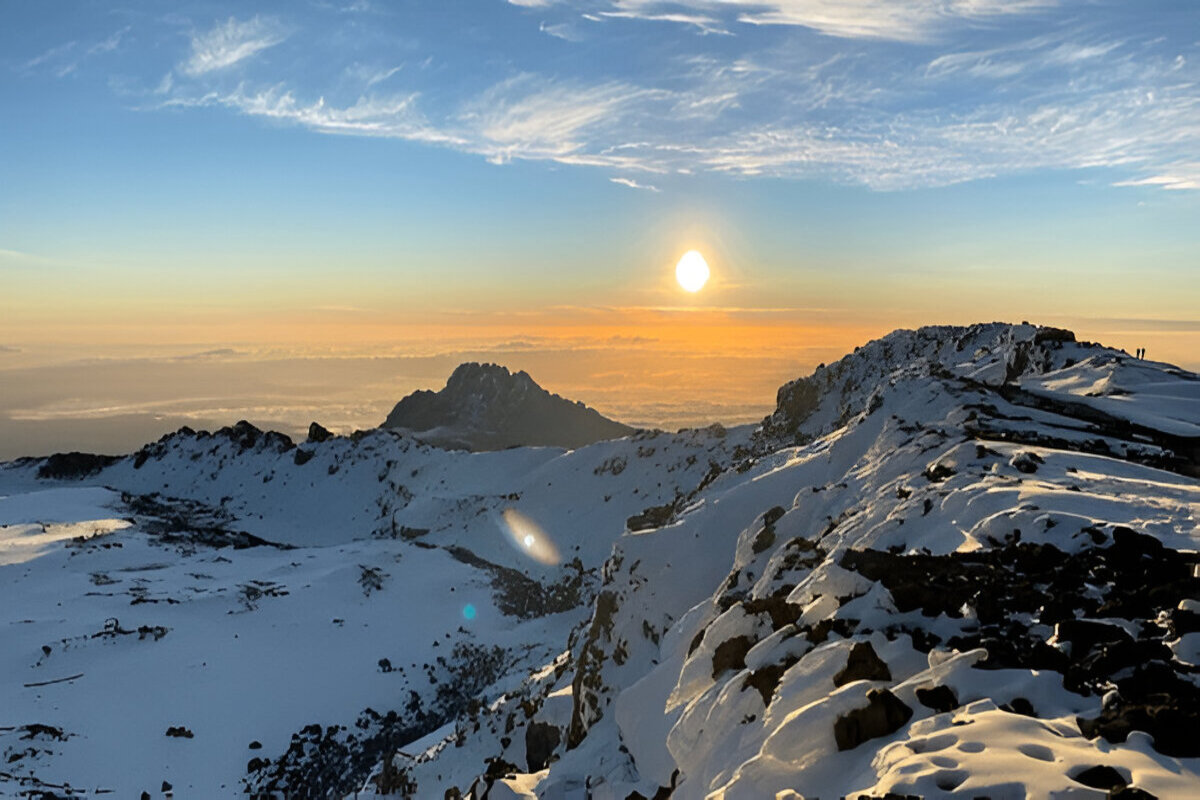 If you ask me to pick the most pleasant window, I’ll often say mid‑January through February. Days are mild, nights aren’t bitterly cold by Kilimanjaro standards, and the skies tend to be open and wide. You still get some cloud cover in the afternoons — this is a mountain, after all — but the summit push often rewards you with a sunrise you’ll never forget.
This window is popular with climbers from Europe and North America who want a mid‑winter escape. The trail can feel busier than you’d expect. Many operators run full groups, and the camps on the Marangu and Machame routes fill up. Still, the atmosphere is friendly, and the snowpack on the upper slopes adds drama to your photos. One thing to plan for: the short rains have just ended, so the lower forest sections may still be damp. But overall, this is warm‑clear climbing done right.
If you ask me to pick the most pleasant window, I’ll often say mid‑January through February. Days are mild, nights aren’t bitterly cold by Kilimanjaro standards, and the skies tend to be open and wide. You still get some cloud cover in the afternoons — this is a mountain, after all — but the summit push often rewards you with a sunrise you’ll never forget.
This window is popular with climbers from Europe and North America who want a mid‑winter escape. The trail can feel busier than you’d expect. Many operators run full groups, and the camps on the Marangu and Machame routes fill up. Still, the atmosphere is friendly, and the snowpack on the upper slopes adds drama to your photos. One thing to plan for: the short rains have just ended, so the lower forest sections may still be damp. But overall, this is warm‑clear climbing done right.
June to October: The Classic Dry Window
The long June‑to‑October stretch is what most people picture when they imagine Kilimanjaro. Dry, dusty trails underfoot, sharp light, and temperatures that drop noticeably as you gain altitude. July and August are peak‑peak — the busiest months of the year. You’ll share the mountain with trekkers from all over the world, and prices rarely dip. If you prefer a slightly quieter experience inside this dry window, aim for September or early October. Conditions remain excellent, but the crowds thin out noticeably. For families from the Middle East traveling in summer, late June or July can pair nicely with school holidays, though the high‑altitude cold surprises some who are used to Gulf heat. I always recommend they prepare for nighttime temperatures well below freezing, regardless of what the desert feels like back home. This window also suits photographers from Asia who are chasing crisp, dust‑free air and golden‑hour light on the summit glaciers. And if you’re planning to add a safari afterwards, the dry season wildlife viewing is unbeatable.What About the Rainy Months? (April, May, November)
 I won’t pretend April and May are fun. They’re the heart of the long rains. Trails turn to deep, sticky mud. Clouds sit on the mountain for days. The summit can be a whiteout — cold, wet, and utterly invisible. Most reputable operators pause scheduled climbs during these weeks. Some budget‑focused hikers still go, drawn by lower permit costs or empty trails. Realistically, the summit success rate dips, the photos fall flat, and the misery factor climbs.
November is milder. The short rains arrive as afternoon showers. Mornings can be remarkably clear, and you might only get wet for a couple of hours a day. If you have flexibility and want almost no other people around, early November can work — but you must accept that you might see nothing but cloud wall at the very top. For a once‑in‑a‑lifetime trip, I rarely point first‑timers toward these months unless the alternative is not climbing at all.
I won’t pretend April and May are fun. They’re the heart of the long rains. Trails turn to deep, sticky mud. Clouds sit on the mountain for days. The summit can be a whiteout — cold, wet, and utterly invisible. Most reputable operators pause scheduled climbs during these weeks. Some budget‑focused hikers still go, drawn by lower permit costs or empty trails. Realistically, the summit success rate dips, the photos fall flat, and the misery factor climbs.
November is milder. The short rains arrive as afternoon showers. Mornings can be remarkably clear, and you might only get wet for a couple of hours a day. If you have flexibility and want almost no other people around, early November can work — but you must accept that you might see nothing but cloud wall at the very top. For a once‑in‑a‑lifetime trip, I rarely point first‑timers toward these months unless the alternative is not climbing at all.
Ready to start planning your Tanzania trip?
Tell us what you have in mind and we’ll build you a free, no-pressure itinerary with honest pricing — planned by a local team that runs these trips every day.
START PLANNING MY SAFARICrowds vs. Quiet Trails: Choose Your Priority
Peak season comes with a cost beyond money — it’s the feeling of walking in a queue. During August, the busier routes can feel congested, especially around camp and on summit night. For some climbers, the buzz is energizing. For others, it steals the wildness that makes Kilimanjaro special. If silence and solitude matter more to you than the absolute best weather, shift your dates into a shoulder month. March (early month, before the heaviest rains) and June (right after the long rains break) are the two best compromises. You sacrifice a little trail comfort, and there’s a slightly higher chance of cloud cover, but you gain near‑private camps and an intimate mountain experience. I’ve seen solo hikers in early June walk for hours without seeing anyone else — a rarity on Kilimanjaro today. That’s the real value of a shoulder‑month climb, and it’s something most ranking pages barely mention.Does Route Choice Affect Your Best Month?
Absolutely. The route you pick can make some months feel better or worse. Northern routes like Lemosho and Rongai tend to be drier than the southern approach even during the short rains. So if you’re climbing in November, choosing Rongai gives you a better chance of staying dry than the wetter Machame or Umbwe sides. In January and February, all routes perform well, but the southern trails still hold some moisture in the rainforest zones — expect squelchy boots on the first day. For families or groups from the Middle East who value privacy and a steady pace, the longer Lemosho route in September or early October is often a perfect match: fewer people, a slower acclimatization curve, and reliable dry footing. Don’t let anyone tell you route doesn’t matter — it’s part of the timing equation, and you should talk it through with a local planner who knows the micro‑seasons on each flank of the mountain.Full Moon Climbs and Photography Timing
 Many climbers, especially photographers from Asia and adventurers planning a summit under full moonlight, time their ascent around the lunar calendar. A full‑moon summit attempt means you might not need your headlamp at all above the clouds — just an eerie, silver-lit glacier and the curve of the Earth below. It’s magnificent, and operators know it. That’s why full‑moon dates in the dry months book up fast and often command higher prices.
The catch? A bright moon can wash out star photography, and if you’re after deep Milky Way shots, you might actually prefer a new moon. The best advice I can give is: pick your moon phase, then work backwards to choose a month that also delivers the weather you want. Don’t chase a full moon into April. The magic only works with clear skies.
Many climbers, especially photographers from Asia and adventurers planning a summit under full moonlight, time their ascent around the lunar calendar. A full‑moon summit attempt means you might not need your headlamp at all above the clouds — just an eerie, silver-lit glacier and the curve of the Earth below. It’s magnificent, and operators know it. That’s why full‑moon dates in the dry months book up fast and often command higher prices.
The catch? A bright moon can wash out star photography, and if you’re after deep Milky Way shots, you might actually prefer a new moon. The best advice I can give is: pick your moon phase, then work backwards to choose a month that also delivers the weather you want. Don’t chase a full moon into April. The magic only works with clear skies.
Pairing Kilimanjaro With Safaris or Zanzibar
 Many international travelers don’t fly halfway around the world just for one mountain. You’ll likely add a northern circuit safari or a Zanzibar coast unwind. That changes your timing calculations. The best safari months — June to October — match the prime Kilimanjaro window perfectly. If you want a combined trip, aim for late June through September. After the climb, the Serengeti is dry and full of wildlife.
The Zanzibar pairing is a little more flexible. The island’s dry season runs roughly July to February, but January and February are especially hot and humid — fantastic beach weather if you’ve just come down from freezing summit nights. Middle Eastern families often prefer this January‑to‑February combo because it aligns with cooler (relatively) East African weather and avoids the June‑to‑August European high‑season crush. Plan your timing not just for the climb, but for the whole journey.
Many international travelers don’t fly halfway around the world just for one mountain. You’ll likely add a northern circuit safari or a Zanzibar coast unwind. That changes your timing calculations. The best safari months — June to October — match the prime Kilimanjaro window perfectly. If you want a combined trip, aim for late June through September. After the climb, the Serengeti is dry and full of wildlife.
The Zanzibar pairing is a little more flexible. The island’s dry season runs roughly July to February, but January and February are especially hot and humid — fantastic beach weather if you’ve just come down from freezing summit nights. Middle Eastern families often prefer this January‑to‑February combo because it aligns with cooler (relatively) East African weather and avoids the June‑to‑August European high‑season crush. Plan your timing not just for the climb, but for the whole journey.
What to Expect on the Mountain Each Season
Let’s talk about the actual feel of the trail, because rain statistics only tell half the story. In the dry months, you’ll crunch over volcanic gravel on the upper slopes, and the dust can be surprisingly thick. Your gaiters will earn their keep. Nights on the mountain drop well below freezing even in January, though the day‑time hiking remains comfortable. During the rainy weeks, the forest is lush and orchestra‑loud with birds, but your gear will be tested — waterproof everything becomes non‑negotiable. Across seasons, summit night is always cold. The difference is how much wind, ice, and visibility you face. For a U.S. couple planning a bucket‑list climb, I’d say aim for late January through February or September — you’ll get relatively stable air and a warm summit sunrise without the August crowds. The only wrong choice is not matching the season to what you personally want most from this mountain. Everything else is just logistics we can handle together.FAQ
- Which month is the best overall for Kilimanjaro if I want the best balance of weather, views, and summit success? February and September are often the sweet spots. February brings warmer, settled conditions with fewer crowds than the July‑August peak. September keeps the classic dry‑season skies but the traffic eases off noticeably. Both offer excellent summit conditions for a first‑time climber.
- Is January/February better than July/August for a first‑time climber? It depends on how you handle cold. January and February are milder, so they can feel more forgiving. July and August are colder but also reliably dry, and the visibility is often razor‑sharp. If you hate freezing nights, choose January/February; if you want the absolute clearest skies and don’t mind bundling up, July/August works beautifully.
- How bad are April–May and November in real trekking conditions, and are they ever worth it? April and May are genuinely tough — deep mud, persistent cloud, and a high chance of no summit view at all. I wouldn’t recommend them for a first climb. November is milder; you might get lucky with dry mornings and few other people, but you must accept a real rain risk and the possibility of a whiteout summit.
- Should I avoid peak season if I want fewer crowds, and which shoulder months are the best compromise? Yes, avoid August if solitude matters. Early March and early June are your best shoulder windows. You trade a slightly higher chance of cloud or damp trails for near‑empty camps. It’s a solid swap if you came for the mountain experience, not the social scene.
- Does the best time change by route? Yes. The northern Rongai route stays drier during the short rains, making it a smarter choice in November. Lemosho and Machame perform beautifully in the main dry months but can be muddy in March. Always align your route with your chosen month for the best ground conditions.
- Should I plan my climb around full moon dates? Only if moonlight matters to you. A full moon summit is spectacular and reduces the need for headlamps, but it also attracts crowds and can wash out star photography. If you’re a photographer chasing deep sky shots, a new moon in a dry month gives you the best results.
- How far in advance should I book my Kilimanjaro climb? For the peak dry months (July, August, February), book at least 6‑8 months ahead. Flights, permits, and good crews get snapped up early. Shoulder months give you a bit more last‑minute flexibility, but I still recommend 3‑4 months to secure your preferred route and dates.
- Can I combine Kilimanjaro with a safari or Zanzibar in any season? Yes, but the best combination is a June‑to‑October climb followed by a safari during the dry season when wildlife viewing is easiest. If Zanzibar is your goal, January and February let you climb in warm, clear weather and then hit the beach in hot, sunny conditions — a brilliant break after summit cold.
- What do I need to pack differently for a rainy‑season climb? You must bring serious waterproofs — jacket, trousers, gaiters, dry bags for your kit — and a positive mindset. Trail conditions get messy, and you’ll want trekking poles for stability. Even in the dry season, pack layers because the temperature swing from rainforest to summit is extreme.
- Is Kilimanjaro really climbable year‑round? Technically, yes. People summit in every month. But the comfort, safety margin, and enjoyment drop sharply in the heavy rain months. Most experienced local operators prefer to guide in the drier windows because they give you the highest chance of standing on Uhuru Peak with a smile on your face.