Altitude Sickness Kilimanjaro: Your Clear Prevention and Response Plan
If you’re researching a Kilimanjaro climb, altitude sickness Kilimanjaro is likely your top worry—and it should be. Every year, thousands of excited travelers land in Tanzania only to find that thin mountain air doesn’t care about their gym membership, age, or determination. The good news? With the right route, pacing, and a clear understanding of what your body is telling you, most climbers manage the altitude well and summit safely. As a local specialist who runs these trips, I’ll walk you through exactly what altitude sickness feels like, what you can do before and during the climb, and—most importantly—when the only right move is to go down. This isn’t a generic medical warning; it’s the honest, practical plan you need.Why Route Choice Matters More Than Your Fitness
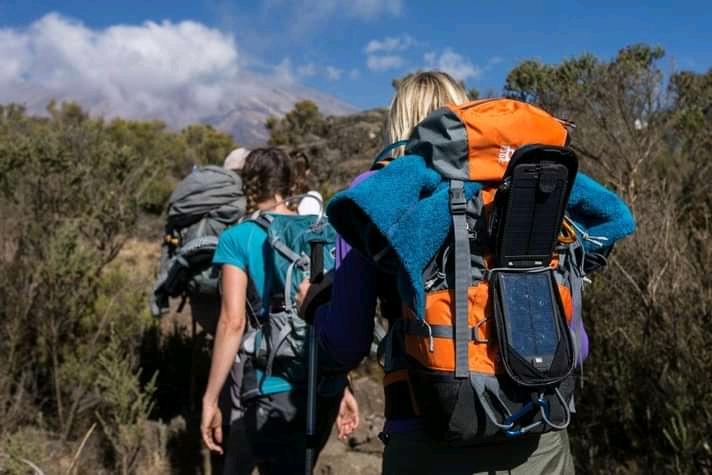 Many first-time climbers think getting fitter is the secret to beating the altitude. It’s not. What really determines how your body copes with thin air is the profile of your route—how fast you gain elevation and how much time you give your body to adapt. Kilimanjaro has several official routes, and they are not equal when it comes to acclimatization pressure.
Shorter routes rush you
A 5‑ or 6‑day climb like the Marangu or Machame 6‑day itinerary pushes you upward quickly, often with only one built‑in acclimatization day. That compressed schedule gives the body less time to produce more red blood cells and adjust to lower oxygen levels. The result is a noticeably higher rate of altitude‑related problems, and summit success suffers. In contrast, a 7‑ or 8‑day itinerary on Lemosho, the Northern Circuit, or a longer Machame variation includes more gradual daily gains and extra “climb high, sleep low” nights that dramatically improve your chance of arriving at the summit feeling strong rather than struggling.How the route shapes your risk
The Northern Circuit—the longest route on the mountain—circles the north side and offers nearly nine days of walking. Its ascent profile is so gentle that altitude sickness is less common on the Northern Circuit than on any other trail. Lemosho’s 8‑day version also earns high marks for safety, starting with a full day through forest before bigger climbs begin. Rongai, approaching from the north, is moderately paced and often drier, which can help you stay comfortable. When travelers ask me which route gives the best chance of avoiding altitude sickness, I point them toward these longer itineraries without hesitation. It’s the single most effective thing you can do before you even pack your boots.Fitness Won’t Protect You From Altitude Sickness Kilimanjaro
 I’ve watched ultra‑marathon runners turn pale at 4,000 meters and seen occasional weekend walkers breeze through the climb. There’s a persistent myth that being super fit makes you immune to altitude sickness—and it’s dangerously wrong. Altitude illness doesn’t care about your cardiovascular strength or how many marathons you’ve run.
The physiological response to low oxygen is largely genetic. Your body either acclimatizes efficiently or it doesn’t. While good baseline fitness helps with stamina and muscle recovery, it has almost no bearing on whether your brain and lungs will struggle at altitude. Even professional athletes can develop acute mountain sickness (AMS), high‑altitude cerebral edema (HACE), or high‑altitude pulmonary edema (HAPE). So don’t rely on fitness as a shield. Instead, rely on smart itinerary choices, proper pacing, and listening to how you actually feel on the mountain.
I’ve watched ultra‑marathon runners turn pale at 4,000 meters and seen occasional weekend walkers breeze through the climb. There’s a persistent myth that being super fit makes you immune to altitude sickness—and it’s dangerously wrong. Altitude illness doesn’t care about your cardiovascular strength or how many marathons you’ve run.
The physiological response to low oxygen is largely genetic. Your body either acclimatizes efficiently or it doesn’t. While good baseline fitness helps with stamina and muscle recovery, it has almost no bearing on whether your brain and lungs will struggle at altitude. Even professional athletes can develop acute mountain sickness (AMS), high‑altitude cerebral edema (HACE), or high‑altitude pulmonary edema (HAPE). So don’t rely on fitness as a shield. Instead, rely on smart itinerary choices, proper pacing, and listening to how you actually feel on the mountain.
How a Longer Itinerary Lowers Your Real Risk
You’ll often hear that Kilimanjaro is a “walk‑up” mountain—no technical climbing required. But altitude is the real technical challenge, and the only proven way to handle it is time. Each extra day you spend on the mountain, especially a day where you climb to a higher camp then descend to sleep at a lower one, gives your body a precious window to adjust. This “climb high, sleep low” rhythm is how guides manage acclimatisation on longer routes. On a 5‑day dash, there’s little room to do this. On an 8‑day climb, you might experience a day on the Lemosho route where you walk from Barranco to Karanga, gaining and then losing elevation, or a bonus night at Karanga camp that helps your blood oxygen levels stabilise. These small differences add up. While there’s no absolute guarantee against AMS, I consistently see that groups on 7‑ and 8‑day schedules report fewer severe Kilimanjaro altitude symptoms and higher summit success. When you weigh the cost of two extra days against the cost of turning around short of Uhuru Peak, the longer choice almost always wins.Pre-Trip Planning: What to Do Before You Fly
Altitude preparation starts long before you board the plane. For travelers flying from the USA or Europe, jet lag and long‑haul fatigue can make your first days on the mountain more difficult. I always recommend arriving at least a full day early—ideally two—so you can rest, hydrate, and recover from the travel before the climb begins. Rushing from the airport to the trailhead the next morning is a recipe for extra stress and possible dehydration. For Middle Eastern travelers, additional planning around halal meals, prayer privacy, and family‑friendly pacing is straightforward if you speak with your operator in advance. Most reputable Kilimanjaro teams can arrange private climbs with designated prayer times and meals that meet dietary needs. Asian travelers often value highly organized group logistics and extra attention to pacing, which longer routes naturally provide. No matter where you’re coming from, one of the most important pre‑trip steps is booking a doctor’s appointment. Discuss altitude medication like Diamox (acetazolamide) explicitly. It’s a prescription drug that can help speed acclimatisation, but it’s not for everyone. Your doctor should review your medical history, any anemia, previous altitude issues, or medication conflicts. Do not buy Diamox online without medical advice—it can have side effects and masking symptoms that a guide needs to see.What Actually Happens When a Guide Spots Symptoms
On a guided climb, you’re never alone with your symptoms. Each morning and evening, lead guides check in with every climber. They’ll ask how you slept, whether you have a headache, and if you’ve eaten and drunk enough. Many carry a pulse oximeter to measure your blood oxygen saturation. These quick checks aren’t just routine—they’re how a professional team catches altitude trouble early, often before you even realise you’re in danger. If a guide notices something off—persistent headache, loss of appetite, unusual fatigue, or nausea—they’ll slow the pace even further than our usual “pole pole” walking rhythm. They’ll make sure you hydrate well, take rest breaks, and may spread the day’s walking over extra hours. Sometimes they’ll recommend you skip a summit push that night if symptoms haven’t improved. This can feel disappointing, but it’s always done to keep you safe. The standard of care on Kilimanjaro is clear: guides never push an unwell climber upward. They will monitor carefully, document changes, and have a clear chain of decision‑making that puts your health above any summit goal.Ready to start planning your Tanzania trip?
Tell us what you have in mind and we’ll build you a free, no-pressure itinerary with honest pricing — planned by a local team that runs these trips every day.
START PLANNING MY SAFARIRecognizing Kilimanjaro Altitude Symptoms
Understanding what your body is telling you can be the difference between a manageable moment and a dangerous situation. Altitude illness isn’t just one thing—it’s a spectrum. The early signs of acute mountain sickness (AMS) are common and, when caught early, completely treatable without ending your climb. They typically include a mild headache, some nausea, trouble sleeping, and feeling a bit dizzy or more tired than you’d expect. Many climbers feel a version of this, especially above 3,500 meters. What you need to watch for is how symptoms evolve. A headache that improves after drinking water and resting, or mild nausea that fades after a meal, is usually part of normal adjustment. But symptoms that get worse after you’ve rested, a headache that throbs relentlessly despite hydration, vomiting that won’t stop, or feeling confused and uncoordinated—these are red flags. The guides are trained to spot them, but you must tell them right away. Hiding a worsening symptom because you’re determined to summit can lead to HACE or HAPE, emergencies that require immediate descent.When Altitude Sickness Kilimanjaro Demands a Descent
 No summit is worth your life. That’s not just a slogan; it’s the guiding principle every Kilimanjaro crew operates by. If your AMS symptoms intensify after a rest period—say your headache becomes pounding, you can’t keep down fluids, or you start stumbling—the only correct action is to descend. High‑altitude cerebral edema (HACE) can develop rapidly, with symptoms like severe confusion, difficulty walking, and irrational behaviour. High‑altitude pulmonary edema (HAPE) shows up as extreme breathlessness even at rest, a wet cough, and a feeling of fluid in the lungs. Both conditions can be fatal if you stay at altitude.
The decision on the mountain is simple: if symptoms aren’t improving with rest, you go down. Guides won’t hesitate to organise a descent team, and most major camps have nearby helicopter evacuation capability in true emergencies. I’ve seen climbers who descended early in the trip rest a day or two at lower elevation and then climb again on a different route successfully, but you can’t force it. Listening to the mountain and to your guide’s judgment is the mark of a smart, experienced climber—not a failed one.
No summit is worth your life. That’s not just a slogan; it’s the guiding principle every Kilimanjaro crew operates by. If your AMS symptoms intensify after a rest period—say your headache becomes pounding, you can’t keep down fluids, or you start stumbling—the only correct action is to descend. High‑altitude cerebral edema (HACE) can develop rapidly, with symptoms like severe confusion, difficulty walking, and irrational behaviour. High‑altitude pulmonary edema (HAPE) shows up as extreme breathlessness even at rest, a wet cough, and a feeling of fluid in the lungs. Both conditions can be fatal if you stay at altitude.
The decision on the mountain is simple: if symptoms aren’t improving with rest, you go down. Guides won’t hesitate to organise a descent team, and most major camps have nearby helicopter evacuation capability in true emergencies. I’ve seen climbers who descended early in the trip rest a day or two at lower elevation and then climb again on a different route successfully, but you can’t force it. Listening to the mountain and to your guide’s judgment is the mark of a smart, experienced climber—not a failed one.
Mild AMS, HACE, and HAPE: Knowing the Difference
It’s worth spelling out the three main altitude illnesses because they demand very different responses. Mild AMS is uncomfortable but manageable. You might feel like you have a hangover that won’t quit, plus some dizziness and loss of appetite. With hydration, food, and pacing, most people continue upward safely. HACE is rare but critical: it means the brain is swelling. Signs include severe headache, loss of coordination, confusion, and eventually hallucinations. HAPE is fluid in the lungs, presenting with a persistent dry cough that turns wet, extreme fatigue, and a gurgling sound when breathing. Both HACE and HAPE are emergencies where immediate descent and medical attention are non‑negotiable. The reason this distinction matters is not so you can self‑diagnose on the mountain—your guide will do that—but so you understand why reporting any symptom early is so vital. A mild headache you downplay for a day could edge toward something more serious. By alerting the guide at the first sign, you give them the chance to slow everything down, treat symptoms, and prevent a minor issue from escalating into a life‑threatening one.Should You Add a Mount Meru Acclimatization Hike?
Some climbers ask about climbing Mount Meru first as a warm‑up and acclimatisation tool. Meru, standing at 4,566 meters, is a beautiful and challenging trek a few hours from Arusha. While it can help your body start adjusting to altitude before you set foot on Kilimanjaro, it’s not a substitute for a well‑paced itinerary on the main mountain itself. The physiological adaptation you gain from a Meru climb lasts only a few days and doesn’t fully replicate the demands of spending consecutive nights above 4,000 meters. That said, if you have the time—typically 4 days for Meru plus a day to transfer—it can be a rewarding addition. It also gives you a dry run with a similar camping setup and the chance to see how your body responds to elevation. But for most international travelers working with limited annual leave, the smarter play is to choose a 7‑ or 8‑day Kilimanjaro route and invest those extra days in the climb itself. The real acclimatisation happens on the big mountain, night after night.How Guides Keep You Safe During the Climb
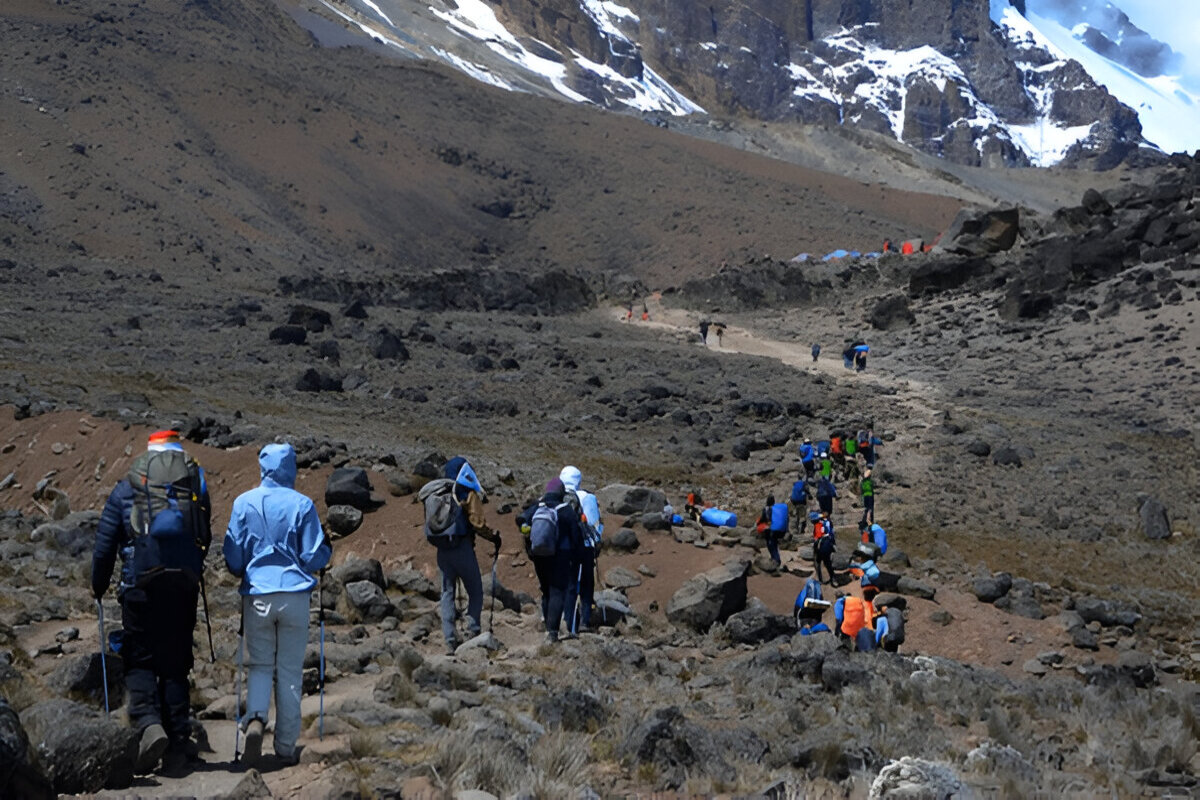 The role of a Kilimanjaro guide extends far beyond setting the pace. From the moment you start hiking, they become your altitude safety net. They regulate speed using the famous “pole pole” rhythm—slow, steady steps that keep your heart rate down and give your body time to extract oxygen from the thin air. They pause often, not just for photos, but to let your breathing settle. They check camp‑to‑camp timing carefully so you don’t arrive exhausted, and they use experience to gauge when a climber might need an extra day at a particular elevation.
If symptoms appear, don’t expect to hide them. Guides are trained to ask the right questions and will frequently look for early warning signs like a loss of appetite or unusual quietness. The chain of communication on the mountain is tight: assistant guides, porters, and the lead guide all look out for changes. And if descent becomes necessary, the team handles every logistic—arranging porters to escort you down, radioing ahead to lower camps or ranger posts, and organizing medical support if needed. This constant, watchful presence is what transforms altitude sickness from a frightening unknown into a manageable risk. When you climb with a professional local team, you’re never alone with your symptoms, and you never have to make the hard decisions by yourself.
The role of a Kilimanjaro guide extends far beyond setting the pace. From the moment you start hiking, they become your altitude safety net. They regulate speed using the famous “pole pole” rhythm—slow, steady steps that keep your heart rate down and give your body time to extract oxygen from the thin air. They pause often, not just for photos, but to let your breathing settle. They check camp‑to‑camp timing carefully so you don’t arrive exhausted, and they use experience to gauge when a climber might need an extra day at a particular elevation.
If symptoms appear, don’t expect to hide them. Guides are trained to ask the right questions and will frequently look for early warning signs like a loss of appetite or unusual quietness. The chain of communication on the mountain is tight: assistant guides, porters, and the lead guide all look out for changes. And if descent becomes necessary, the team handles every logistic—arranging porters to escort you down, radioing ahead to lower camps or ranger posts, and organizing medical support if needed. This constant, watchful presence is what transforms altitude sickness from a frightening unknown into a manageable risk. When you climb with a professional local team, you’re never alone with your symptoms, and you never have to make the hard decisions by yourself.
After conquering Kilimanjaro, many travelers extend their adventure to explore Serengeti National Park or relax on Zanzibar holidays — a perfect complement to your summit achievement.
FAQ
- Do I need Diamox for Kilimanjaro? Diamox can help some climbers acclimatise faster, but it’s a prescription drug with potential side effects like tingling fingers and increased urination. See your doctor well before your trip to discuss whether it’s right for you; never buy it online without medical guidance.
- Which Kilimanjaro route gives the best chance of avoiding altitude sickness? Longer routes like the 8‑day Lemosho, 9‑day Northern Circuit, or the 7‑day Machame variation offer more acclimatisation days and a gentler ascent profile, which significantly lowers the risk of altitude illness compared to 5‑ or 6‑day climbs.
- Can a very fit climber still get altitude sickness on Kilimanjaro? Yes, absolutely. Fitness does not prevent AMS, HACE, or HAPE because the body’s response to low oxygen is largely genetic. Even elite athletes can struggle, so rely on route length and pacing rather than gym hours.
- What happens if I get altitude sickness during the climb? Your guide will detect symptoms early through daily checks. Mild symptoms are managed with rest, hydration, and slower pacing. If symptoms worsen despite rest, you will be escorted down immediately—summit attempts are never made at the expense of safety.
- When should I descend? Descend if your symptoms get worse after resting, if you have a severe unrelenting headache, can’t keep fluids down, become confused, uncoordinated, or have difficulty breathing at rest. These can signal HACE or HAPE and require urgent descent.
- What are the early signs of altitude sickness I should watch for? Look for a mild headache, nausea, dizziness, loss of appetite, and unusual fatigue. Report these to your guide right away, even if they seem minor—early reporting allows the team to slow the pace and prevent progression.
- Can I still climb if I had altitude sickness on a previous trip? Many climbers with past AMS do fine on a longer itinerary. Be sure to discuss this history with your doctor and your operator so they can plan a route with extra acclimatisation days and watch you closely.
- Does the dry air on Kilimanjaro make altitude sickness worse? The dry air can cause dehydration, which intensifies altitude symptoms. Drinking 3–4 litres of water per day and using a buff or scarf over your mouth helps keep moisture in your airways and makes a noticeable difference.
- What does a guide do if they suspect HAPE or HACE? They will immediately organise a descent, often with assistance from porters, and arrange for medical evaluation at the nearest lower camp or, if available, helicopter evacuation. The team acts fast; there’s no attempt to wait and see.
- Is Mount Meru a good acclimatisation hike before Kilimanjaro? It can offer a useful warm‑up and a small altitude boost, but the effect is short‑lived. For most climbers, adding those extra days to a longer Kilimanjaro route is more effective than a separate Meru trek, especially when time is limited.