Your Clear Guide to Choosing a Reputable Kilimanjaro Trekking Company Tanzania
You have been scrolling through websites, reading summit success claims, and staring at quotes that all sound the same — and you still cannot tell which Kilimanjaro trekking company Tanzania is actually safe, honest, and worth your money. You are not alone. Every year, thousands of international trekkers face the same confusion before they book. The good news is that once you know what to look for behind the marketing, the right choice becomes much clearer. This guide walks you through the real questions that matter, the ones brochures tend to skip, so you can book with confidence and not just hope for the best.
I run trips on Kilimanjaro for a living, based right here in Tanzania. I know what separates a solid operator from a risky one — and it is rarely the slogan on the homepage. What follows is the honest, practical framework I would give a friend planning this climb. No fluff, no sales pitch, just the things that actually make a difference when you are on the mountain at 4,500 meters and every decision counts.
What Makes a Company Truly Reputable
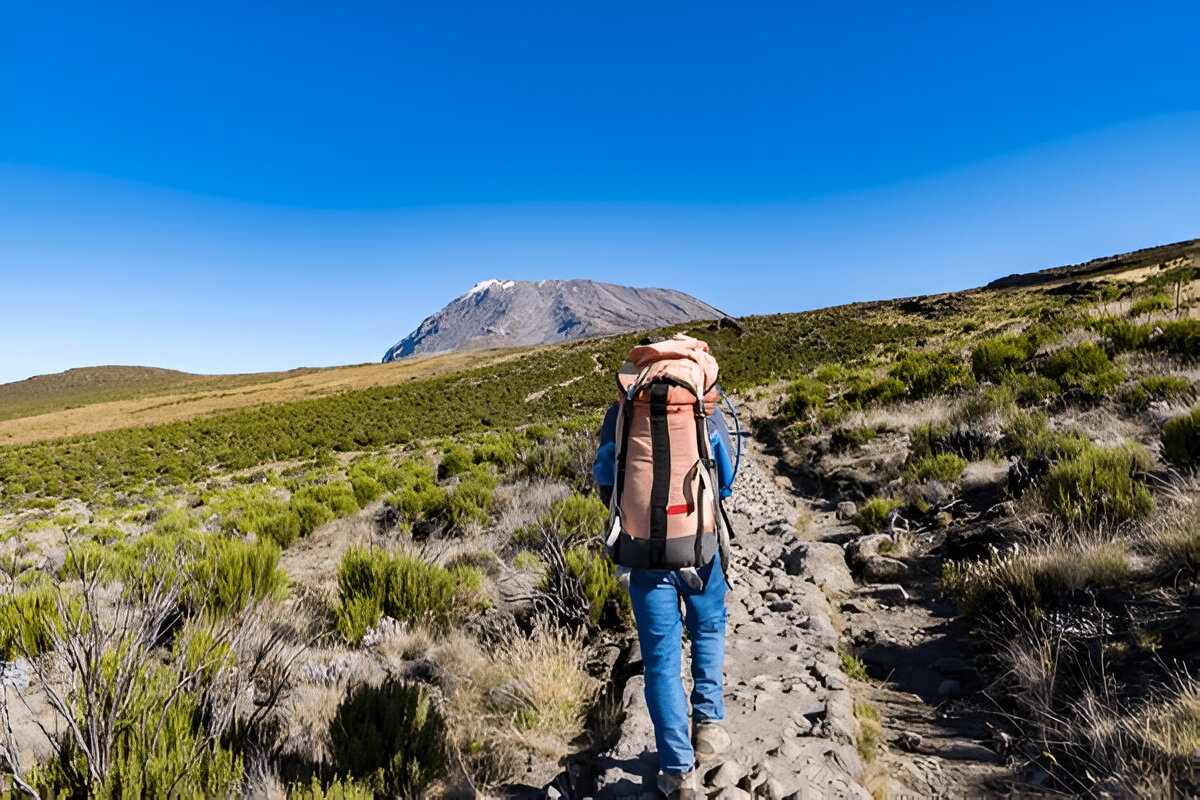
Most company websites lead with the same handful of claims: years of experience, expert guides, and summit success rates that hover near perfect. These are easy to write and hard to verify. A reputable Kilimanjaro trekking company Tanzania is not defined by the biggest number on its banner — it is defined by how transparently it runs its climbs, treats its crew, and prepares you for the reality of the mountain.
Start by looking past the homepage. A company worth your trust will openly explain its safety protocols, guide-to-climber ratios, and what happens if someone gets altitude sickness. It will name its partner organizations — like the Kilimanjaro Porters Assistance Project, known locally as KPAP — and show you exactly where your money goes. If a website buries these details or avoids direct answers, treat that silence as a signal.
Look beyond the marketing
Reputable operators tend to welcome hard questions. They do not rush you to book with limited-time discounts or pressure you with scarcity claims. Instead, they ask about your fitness, your hiking history, and what you expect from the experience. That conversation itself is a good sign — it means they are matching you to the right route and team, not just collecting a deposit.
Many of the best Tanzanian operators have been running climbs for well over a decade, but what matters more than the number of years is how they have used that time. Have they invested in crew training? Do they own their equipment or rent it cheaply? Are their guides certified by the local mountain guide association? A company that has grown steadily, trained its own staff, and maintained long relationships with its porters is almost always a safer bet than one that subcontracts everything to the lowest bidder.
Safety Standards You Should Verify

Safety on Kilimanjaro is not just about having a first-aid kit in a porter’s bag. It is about how a company monitors your health every single day, how quickly it can get you off the mountain if something goes wrong, and whether its guides are trained to recognize altitude sickness before it becomes dangerous.
Ask any operator you are considering how they handle daily health checks. A proper crew will measure your oxygen saturation and pulse twice a day — morning and evening — using a pulse oximeter. They will log those numbers and watch for trends. They will also carry bottled oxygen as a standard precaution, not as an optional extra you pay for separately. If a company tells you oxygen is “available on request” or charges extra for it, walk away. Emergency oxygen should be included in every legitimate climb, period.
Rescue readiness matters
Kilimanjaro National Park has a rescue service, but response times vary enormously depending on where you are on the mountain. A good Kilimanjaro trekking company Tanzania supplements this with its own evacuation plan. Ask whether the company has a vehicle stationed at the nearest park gate during your climb, and whether its guides carry satellite communication devices or radios that work above the tree line. You do not want to discover the answer to these questions when someone in your group is struggling at 5,000 meters.
Also check the guide-to-climber ratio. On summit night, when the air is thinnest and the trail is steepest, you want at least one guide for every two climbers. Some premium operators go even lower — one guide per climber on summit push. This is not a luxury; it is a practical safety measure that lets one guide turn back with a struggling trekker while the other continues with the rest of the group.
How to Check Licensing and Ethics

Tanzania regulates Kilimanjaro operators through a licensing system, and every legitimate company must hold a valid tour operator license from the Ministry of Natural Resources and Tourism. You can ask for the license number and verify it — if a company hesitates to share it, that is a red flag you should not ignore.
But licensing is the bare minimum. Ethical treatment of the mountain crew is where the real difference shows. Kilimanjaro porters carry enormous loads — sometimes 20 kilograms or more of client gear, tents, food, and cooking equipment — and they do it in thin air for wages that are modest by any standard. A responsible operator pays its porters fairly, provides them with proper clothing and footwear, feeds them adequately, and does not overload them beyond the park’s weight limits.
KPAP and what it signals
The Kilimanjaro Porters Assistance Project (KPAP) is an independent organization that monitors porter welfare on the mountain. Companies that partner with KPAP open themselves to unannounced inspections, and that transparency says a lot. If an operator is KPAP-partnered, you can be reasonably confident the crew is being treated decently. Some companies talk about “ethical trekking” without actually participating in any independent monitoring — those words mean little without verification.
Ask the operator directly: Are you a KPAP partner? What is the maximum weight your porters carry? Do you provide them with proper mountain boots and jackets? If the answers are vague or defensive, you have learned something important about how that company operates when no one is watching.
Picking the Best Trekking Company Kilimanjaro for Your Route
The phrase “best trekking company Kilimanjaro” gets searched thousands of times a month, but the truth is there is no single best operator for everyone. The right Kilimanjaro trekking company Tanzania for you depends heavily on which route you are climbing and how much time you have given yourself to acclimatize.
Kilimanjaro has seven main routes, and they are not interchangeable. The Marangu route, sometimes called the “Coca-Cola route,” is the only one with hut accommodation. The Machame route is steeper and more scenic but demands better fitness. The Lemosho and Northern Circuit routes are longer, gentler on acclimatization, and significantly more expensive because of the extra days on the mountain. A Kilimanjaro trekking company Tanzania that specializes in budget five-day Marangu climbs may not be the best choice for an eight-day Lemosho trek, and vice versa.
Shorter routes carry more risk
Companies that push five- or six-day itineraries often do so because they are cheaper to sell, not because they are safer. Summit success rates drop sharply on shorter climbs because the body simply does not have enough time to adapt to the altitude. A reputable Kilimanjaro trekking company Tanzania will recommend at least seven days on the mountain, ideally eight, and will explain why that extra day matters. If a company is happy to book you on a five-day climb without asking about your acclimatization history, they are probably more interested in your payment than your safety.
When you’re comparing options, the best trekking company Kilimanjaro for your climb is one that demonstrates deep route knowledge, not just a flashy website. Ask the operator which routes they run most frequently, and why. A company that guides the Lemosho route dozens of times a season knows its campsites, water sources, and tricky sections intimately. That familiarity translates directly into a smoother, safer climb for you.
What Your Quote Should Actually Include

One of the most common mistakes first-time climbers make is comparing quotes from different companies without checking what is actually inside them. Two prices that look similar on the surface can be wildly different in value once you unpack the details.
A legitimate Kilimanjaro quote should include, at minimum: park entry fees, camping or hut fees, crew wages, three meals a day on the mountain, drinking water, tents and sleeping pads, a private toilet tent, transfers to and from the park gate, and at least one night of accommodation in Moshi or Arusha before and after the climb. Bottled oxygen for emergencies, pulse oximeters for daily health checks, and a fair wage for every porter, cook, and guide should also be included — not listed as add-ons.
What often gets left out
Some operators strip costs out of the headline price to appear cheaper, then charge you separately for things you assumed were covered. Common hidden extras include: sleeping bag rental, airport transfers, tips for the crew, visa fees, travel insurance, and sometimes even drinking water on the mountain. Tips alone can run into several hundred dollars per climber for a week-long trek, and if you did not budget for that, it can be an uncomfortable surprise at the end of your climb.
Before you compare prices, ask each operator to send you a written breakdown of every single thing included and excluded. Put the lists side by side. Only then does the real cost comparison begin.
Ready to start planning your Tanzania trip?
Tell us what you have in mind and we’ll build you a free, no-pressure itinerary with honest pricing — planned by a local team that runs these trips every day.
What a Kilimanjaro Trekking Company Tanzania Charges
Kilimanjaro climbs in Tanzania are not cheap, and if a price looks too good to be true, it almost always is. The park fees alone — which every operator must pay to the government — run into several hundred dollars per climber per day. That money covers conservation, trail maintenance, and the salaries of park rangers. No operator can discount those fees; they are fixed and non-negotiable.
When you see a climb advertised at a price that seems shockingly low, ask yourself what is being cut to make that number work. Usually, it is crew wages, food quality, equipment condition, or safety provisions. A budget operator might pay its porters below the recommended minimum, skip the private toilet tent, serve repetitive meals, or use worn-out tents that leak in the rain. At the mid-range level, you get reliable equipment, decent food, and fair crew treatment — the climb is comfortable and safe without being luxurious. Premium operators add extras like walk-in tents with cots, hot showers, gourmet meals, and higher guide-to-climber ratios.
Why prices vary so much
Route length is the biggest cost driver. An eight-day Lemosho climb costs significantly more than a five-day Marangu climb simply because of the extra park fees, crew wages, and food for those additional days. Group size also matters — private climbs cost more per person than joining a group departure. And the operator’s business model plays a role too. A reputable local Kilimanjaro trekking company Tanzania with its own equipment and staff can often offer better value than an overseas-based reseller that takes a commission and then subcontracts the actual climb to a local operator.
Expect to pay more for a longer route with a reputable local operator, and understand that the extra money is buying you a safer acclimatization schedule, a better-fed and better-treated crew, and a higher likelihood of actually standing on the summit.
Why More Days Gives You a Better Shot

Summit success rates are the most quoted — and most misleading — statistic in the Kilimanjaro industry. Some operators claim rates of 98 percent or higher, but those numbers are almost never independently verified. What is verifiable is the relationship between time on the mountain and summit success. Climbs of seven or eight days consistently produce better outcomes than five- or six-day sprints, and the reason is simple: your body needs time to adapt to the thinning air.
Altitude sickness does not discriminate by fitness level. Marathon runners and casual hikers alike can be struck by it, and the only reliable prevention is a slow ascent. A longer itinerary builds in acclimatization days where you climb higher during the day and then sleep lower at night — a pattern that stimulates your body’s adaptation without overwhelming it. On a rushed itinerary, those acclimatization opportunities are squeezed out.
What a realistic success rate looks like
Independent research suggests that overall summit success rates on Kilimanjaro, across all routes and operators, are closer to 65 to 75 percent. Longer routes push that figure higher — some studies suggest eight-day itineraries can achieve success rates above 85 percent — but no honest operator can guarantee a summit. Weather, illness, injury, and individual physiology all play a role. Be wary of any company that promises a near-certain summit; the mountain does not work that way, and a guide who tells you otherwise is not being straight with you.
Choose a company that recommends a longer route, explains why, and is honest about the variables outside anyone’s control. That honesty is worth more than a hollow 98 percent claim.
Local Operator or Overseas Company
Many international trekkers wonder whether to book directly with a Tanzanian operator or go through a company based in their home country. Both models exist, and both can work — but there are important differences in cost, accountability, and on-the-ground responsiveness.
When you book with an overseas company, you are often paying a markup that covers their marketing, sales staff, and profit margin. The actual climb is then subcontracted to a local Tanzanian operator. In some cases, the overseas company selects its local partners carefully and maintains strong oversight. In other cases, the relationship is purely transactional — the overseas company takes its cut and hands you off to whoever bid the lowest. You may not know which local operator will actually run your climb until you arrive in Tanzania.
Booking direct has advantages
Booking directly with a reputable Kilimanjaro local tour operator cuts out the middleman. Your money goes further because there is no overseas commission, and you deal directly with the people who will be on the mountain with you. Communication can be a bit slower — time zones and internet reliability in Moshi or Arusha are not always perfect — but the trade-off is direct accountability. If something needs to change before or during your climb, you are talking to the decision-maker, not a sales agent relaying messages across continents.
Many of Tanzania’s best operators are based in Arusha and Moshi, the two gateway towns for Kilimanjaro. They know the mountain intimately, employ local guides who have climbed it dozens or hundreds of times, and have built their reputations on word-of-mouth and repeat clients. If you choose a local operator, verify their licensing, check their KPAP status, and read reviews from recent climbers — ideally from your own region, so you can gauge how well they handle international clients.
Other Factors That Shape Your Experience
Beyond safety, ethics, and cost, there are practical travel considerations that can make or break your trip — and most Kilimanjaro websites barely mention them. If you are flying in from the United States, Europe, the Middle East, or Asia, you need to think about jet lag, visa logistics, and how your arrival timing affects your climb.
You will fly into Kilimanjaro International Airport, near Arusha, or sometimes into Nairobi and cross the border by road. Either way, you should arrive at least one full day before your climb starts. Do not schedule your trek to begin the morning after a long-haul flight. Your body will be tired, dehydrated, and disoriented — exactly the wrong state to start ascending a 5,895-meter mountain. A rest day in Moshi or Arusha lets you sort your gear, meet your guides, and begin hydrating properly.
Food, culture, and comfort
Dietary needs are worth discussing early. Most mountain kitchens can handle vegetarian, vegan, gluten-free, and halal requests, but you need to tell the operator in advance — not the day before you start hiking. Middle Eastern travelers seeking halal meals will find that many Tanzanian operators are familiar with these requirements, but confirming the details directly is always wise. If you have specific religious or cultural preferences around privacy, photography, or group composition, raise them before booking. A good operator will accommodate reasonable requests without making you feel awkward.
Visa requirements vary by nationality. Many travelers can obtain a Tanzanian visa on arrival, but some nationalities need to apply in advance. Check the latest requirements for your passport well ahead of your trip, and make sure your passport has at least six months of validity remaining. Travel insurance that covers high-altitude trekking up to 6,000 meters is essential — and it is not the place to save money. Medical evacuation from Kilimanjaro can cost tens of thousands of dollars, and your regular health insurance almost certainly will not cover it.
Matching the Company to Your Travel Style
Not every climber needs the same things from a Kilimanjaro operator. A solo traveler from the United States joining a group departure has different priorities than a couple from Europe booking a private climb, and a family from the Middle East combining the trek with a Zanzibar beach holiday needs something different again.
Solo travelers often benefit from joining a group departure — it is more affordable than a private climb and provides built-in camaraderie on the trail. But not all group climbs are equal. Ask how large the group will be, whether you will be merged with strangers from different fitness levels, and whether the operator guarantees departures on specific dates. A group of six to ten climbers is manageable; a group of fifteen or more can feel chaotic and slow.
Families, couples, and add-on trips
Couples and private groups often prefer the flexibility of a private climb, where the pace is set by the slowest member and the itinerary can be adjusted day by day. This costs more but removes the pressure of keeping up with strangers. Families with older children — most operators recommend a minimum age of around ten or twelve — should look for companies with experience handling younger climbers, including guides who are patient and trained to spot altitude symptoms in kids, which can present differently than in adults.
Many international visitors combine Kilimanjaro with a safari in the Serengeti or Ngorongoro Crater, or a few days unwinding on Zanzibar holidays. If you plan to do this, ask whether the operator can arrange the full package. A local Kilimanjaro trekking company Tanzania that runs both mountain and safari operations can often create a seamless itinerary at a better price than booking each leg separately through different providers. The logistics of getting from Kilimanjaro to the Serengeti or Zanzibar are not complicated, but they require coordination — and a single point of contact makes everything easier when plans shift.
FAQ
How do I know if a Kilimanjaro company is genuinely safe?
Look for daily health checks with pulse oximeters, emergency oxygen included as standard, a clear evacuation plan, and a guide-to-climber ratio of at least one guide per two climbers on summit night. Ask for their tour operator license number and verify it. A company that answers these questions directly and without hesitation is a safer bet than one that deflects or makes vague promises.
What should a legitimate Kilimanjaro quote include?
Park fees, crew wages, three meals a day on the mountain, drinking water, tents and sleeping pads, a private toilet tent, transfers to and from the park gate, at least one hotel night before and after the climb, emergency oxygen, and daily health checks. Sleeping bag rental, tips, visa fees, and travel insurance are usually separate — but a good operator will tell you this upfront.
Which company is best for my route and fitness level?
The best company for you depends on your chosen route, your fitness, and how much time you have. A longer route like Lemosho or the Northern Circuit demands an operator experienced with multi-day wilderness logistics. If you are a beginner, look for a company that recommends at least seven or eight days and asks about your hiking history before taking your deposit.
Should I book with a local Tanzanian operator or an overseas company?
Booking directly with a reputable Kilimanjaro local tour operator often gives you better value and direct accountability, since there is no overseas middleman taking a commission. However, some overseas companies maintain strong local partnerships. If you choose an overseas company, ask exactly which Tanzanian operator will run your climb, and verify that operator’s credentials independently.
What is a realistic summit success rate?
Independent research suggests overall success rates of around 65 to 75 percent across all routes and operators. Longer itineraries of seven or eight days can push success above 85 percent. Be skeptical of any operator claiming 98 percent or higher — those numbers are almost never independently verified and can reflect selective reporting.
How much should I budget for crew tips?
Tips are a significant part of the crew’s income and are expected at the end of the climb. While amounts vary by group size and itinerary length, a typical tip pool for a week-long trek can run to several hundred dollars per climber, shared among guides, cooks, and porters. Your operator should provide clear tipping guidelines before you book.
What is KPAP and why does it matter?
The Kilimanjaro Porters Assistance Project is an independent organization that monitors porter welfare on the mountain. Companies that partner with KPAP agree to unannounced inspections of their equipment, wages, and load weights. Choosing a KPAP-partnered operator is one of the strongest signals that the crew is being treated fairly.
How far in advance should I book my Kilimanjaro climb?
Most climbers book three to six months ahead, especially for the popular dry-season months of January through March and June through October. This gives you time to sort out flights, visas, vaccinations, and fitness training. Last-minute bookings are possible but limit your choice of operators and departure dates.
Can I combine Kilimanjaro with a safari or Zanzibar trip?
Yes, and many travelers do exactly that. A local operator that handles both mountain and safari logistics can create a seamless itinerary. The Serengeti, Ngorongoro Crater, and Zanzibar are all accessible from Arusha or Moshi by road or short flights. Plan for at least a few days of recovery between the climb and the next leg of your trip.
What is the minimum age for climbing Kilimanjaro?
The park authority sets a minimum age of ten years, but most reputable operators recommend at least twelve. Altitude affects children differently than adults, and a company with experience guiding families will have guides trained to recognize the subtler signs of altitude sickness in younger climbers.