Your Clear Guide to Choosing the Best Kilimanjaro Tour Operator
Figuring out which is the best Kilimanjaro tour operator for your once-in-a-lifetime climb can feel like a maze of glossy promises and confusing prices. Everyone claims high success rates, expert guides, and ethical treatment of porters — but what does that actually mean when you’re about to spend thousands of dollars and trust your safety to strangers on a 5,895-meter mountain? This guide doesn’t hand you a list of operator names. It shows you how to read between the lines, compare what matters, and pick the team that fits your body, your budget, and your travel style. As someone who runs climbs on Kilimanjaro every season, I’ll give you the honest questions to ask, the hidden costs to watch for, and the on-the-ground realities that glossy brochures leave out. Let’s cut through the noise.Local, International, or Premium:
Who You’RE Really Booking With
 Before you even look at prices, understand the three main types of Kilimanjaro operators. The choice of the best Kilimanjaro tour operator affects your cost, your safety net, and the experience you’ll have on the mountain.
Where your money goes
A local Tanzanian operator holds the climbing permits, employs the guides and porters directly, and manages the whole show on the ground. There’s no middleman, so more of your money stays in Tanzania — and you get direct communication with the team who will actually walk with you. This can mean greater flexibility and often a lower price, but you’ll need to trust your vetting. Look for companies with strong porter welfare commitments and open-book pricing. An international booking agency usually sells the climb then subcontracts to a local crew. You might get polished customer service in your own language and convenient flight-hotel packages, but you pay an extra margin. The actual quality on the mountain depends entirely on the local partner they choose — something they rarely disclose until you ask directly. Then there are premium expedition brands. They run their own permanent camps, bring imported chefs, carry oxygen as standard, and offer ultra-comfortable sleeping tents. These climbs can cost two to three times what a solid local operator charges, but for luxury travelers, families, or anyone especially anxious about altitude or hygiene, the peace of mind is real. Just make sure the extra money goes into mountain logistics — not marketing.How to Spot the Best Kilimanjaro Tour Operator
The phrase “best Kilimanjaro tour operator” gets thrown around freely, but for you, “best” means the one that balances safety, ethics, route fit, and budget for your climb — not a generic ranking. So, how do you separate substance from slogans?Beyond review counts
Don’t just scan star ratings — read the complaints. Do people mention late porters, missed meals, or guides who rushed the pace? That’s a safety red flag. Also, check how recent the reviews are. A company that was excellent five years ago may have changed ownership or cut corners post-pandemic. The best Kilimanjaro tour operator replies to negative feedback with specifics, not just “sorry to hear that.” Ask who leads the climbs. A Tanzanian operator should name the head guide and give you their experience level. Guides certified by Kilimanjaro National Park and with wilderness first-responder training are the bare minimum. If they dodge questions about guide-to-client ratios or how they handle a client who can’t continue, move on. The best Kilimanjaro tour operator will have a clear, written emergency evacuation plan — and will mention it before you do.What Safety Standards Set the Good Operators Apart
The best Kilimanjaro tour operator you pick determines how well your body handles the mountain — and what happens if it doesn’t.The oxygen question
Check whether the operator carries bottled emergency oxygen and a pulse oximeter. Many budget operators rely only on descent to treat altitude sickness. While a rapid descent is the primary treatment, having oxygen on hand buys precious time and can reduce panic. A good guide checks your blood oxygen at least once a day above 3,500 meters and keeps a log — that simple habit catches problems early. Also ask about the staff-to-climber ratio. On a safe climb, you’ll have a guide, assistant guide, a cook, and porters — often at a ratio of one team member per climber or better on demanding routes. If a company packs 15 climbers with two guides, it’s cutting costs, not keeping you safe. A high ratio means someone is always watching you, can carry your daypack if you struggle, and won’t hesitate to send a sick climber down with a dedicated crew.Why Your Route Decides Who You Climb With
Many travelers pick a route first, then an operator. The smarter move is the reverse — the best operator for you will shape the route to match your acclimatization needs, not just the cheapest itinerary.Acclimatization match
Longer routes like the 8-day Lemosho or 9-day Northern Circuit give your body more time to adjust to thin air, which directly raises your summit odds. A responsible operator will push you toward these itineraries even when they cost more and require more vacation days. If an operator mainly pushes the 5-day Marangu or 6-day Machame without discussing the trade-offs, it’s a sign they prioritize quick turnover over your success. Also, some operators specialize in certain routes. A company that runs primarily Marangu climbs may have great huts but less experience with the camping logistics of Lemosho’s remote trails. Ask how many times they’ve run your specific route in the last year. You want a team that knows every campsite, water source, and rocky section by heart — not one learning on your dollar.Ethical Climbing:
Porters, Pay, and Real Fair Treatment
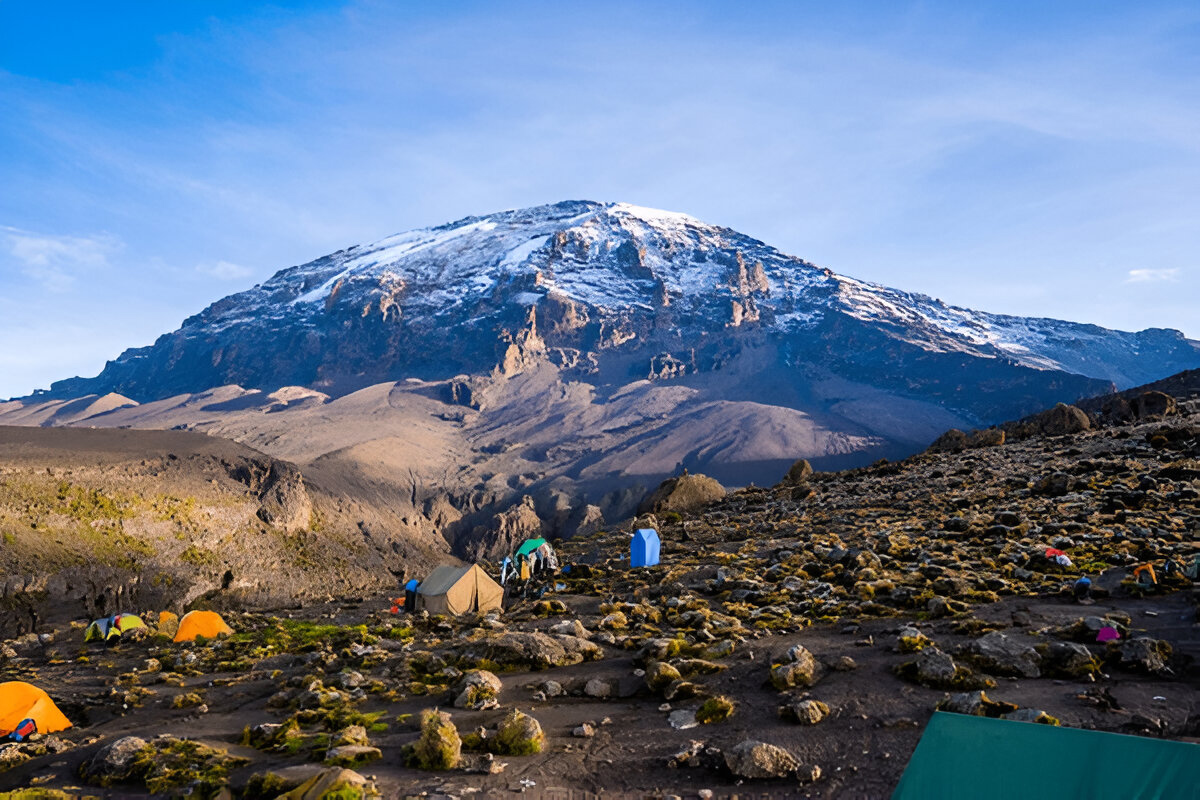 “We treat our porters well” is easy to say. Here’s how to verify it. In Tanzania, porter welfare is a real issue — low wages, overloaded bags, and poor sleeping conditions can still be found even with some mainstream companies.
Questions that reveal the truth
Ask whether the best Kilimanjaro tour operator is a partner of the Kilimanjaro Porters Assistance Project (KPAP). This independent organization audits companies to ensure fair wages, proper meals, adequate shelter, and weight limits — porters should never carry more than 20 kg of company gear plus their own load. Operators without KPAP partnership may still be ethical, but you have to dig deeper. Also ask what the porters sleep in and eat. A trustworthy operator provides at minimum a shared waterproof tent and three hot meals a day for every crew member. If they hesitate or say “we follow the rules” without details, the reality may be thinner. Pay attention to whether guides and porters wear proper mountain gear or are shivering in worn-out jackets — that tells you everything about a company’s real values. Climbing with an ethical operator also means your tips go to people who aren’t desperate, and that usually creates a warmer camp mood, a sign of trusted Kilimanjaro trekking operators.Ready to start planning your Tanzania trip?
Tell us what you have in mind and we’ll build you a free, no-pressure itinerary with honest pricing — planned by a local team that runs these trips every day.
START PLANNING MY SAFARIReal Prices and What Your Money Covers
Kilimanjaro climbs aren’t cheap, but exactly what you get for $2,000 looks very different from $6,000. The danger is choosing a quote that seems complete — and finding out later that it wasn’t.Inclusions that matter
A responsible mid-range climb for an 8-day Lemosho route commonly falls between $3,500 and $4,500 per person, including park fees, camping equipment, guide and porter wages, meals on the mountain, and basic airport transfers. Budget climbs can dip toward $2,000–$2,500, but they often leave out critical items: pre- and post-climb accommodation, sleeping bag rental, portable toilets, and sometimes even transport to the gate. To understand real costs, check how much Kilimanjaro costs. Line up quotes side by side and check for rescue support. Some operators include Kilimanjaro Search and Rescue helicopter membership; others expect you to pay out of pocket — and that can cost thousands. Also confirm whether your package covers a post-climb meal, a hot shower before the airport, and storage for your luggage while you’re on the mountain. These small things make your trip feel seamless, and they’re a clear sign of an operator that thinks like a traveler, not an accountant.Choosing the Right Operator for Your Travel Style
 A solo trekker in their 20s doesn’t need the same setup as a family of five or a couple celebrating a 50th birthday. The best Kilimanjaro tour operator for you understands that.
Different needs, same mountain
For solo travelers, look for operators that offer scheduled group departures you can join — this keeps costs down and adds built-in camaraderie. Ask about the group size cap; a responsible company keeps it small, often under 12, so you’re not just a number. Families often do better with a private climb where the guide can adjust the pace for children or older parents, even if that means an extra day built into the itinerary. Private climbs also let you set your own bathroom and meal rhythms — huge when traveling with kids. Middle Eastern and Asian travelers may have specific needs that not every operator accommodates smoothly. If halal meals are important, ask explicitly whether the cook can prepare them from start to finish, not just omit pork. Privacy and modesty while washing or dressing can be handled with an extra supply tent or by booking a private chemical toilet. And if photography is your priority, you’ll want an operator that schedules lighter walking days and understands the golden light — not one that forces you to summit by sunrise at any cost.Kilimanjaro Safari Companies Tanzania:
Bundling Your Trip
Many visitors want to climb Kilimanjaro and then see the Serengeti. That’s where Kilimanjaro safari companies Tanzania come in — operators that specialize in both mountain and wildlife. Booking a combined package with one local team can cut logistical headaches and sometimes lower the total cost.The one-team advantage
When the same company handles your climb and your safari, there’s no awkward handoff between different offices. Your extra luggage stays safely stored with them, the guide who drove you from the airport probably knows the safari driver, and all the timelines fit. But don’t assume any trek operator can do a great safari — the skill sets are different. Ask how long they’ve been running wildlife trips, what kind of vehicles they use, and whether they own or merely sublet their safari 4x4s. A reputable combined operator will design a realistic itinerary. You need at least one full rest day between the climb and a safari, not a rushed morning-after departure. If you’re interested in something more refined, some companies offer “climb-and-beach” trips to Zanzibar as well. The key is that the package is flexible and can be tailored, not a rigid, pre-cooked offer. If they treat the safari half as an afterthought — one night in a park, then straight to the airport — they’re only half a partner.How Summit Success Rates Really Work
Operators love to flash high success percentages, but numbers without context are meaningless. What you need to understand is how the route, the pace, and the season tilt the odds in your favor.Longer routes, better acclimatization
Shorter itineraries — especially the 5-day Marangu — tend to have noticeably lower summit success rates because your body hasn’t had time to adapt to the altitude. Longer treks, like the 8-day Lemosho or 9-day Northern Circuit, give you extra days above 3,000 meters, which naturally improves your body’s red blood cell production and oxygen efficiency. An operator that heavily promotes their 90%+ success rate but only runs 8- or 9-day routes may be telling a truthful story; the same percentage on rushed 5-day climbs would raise an eyebrow. Also ask what “success” means exactly. Some count reaching Stella Point (5,756 m) as success, while others only count reaching the true summit, Uhuru Peak. A good operator tracks both — and can tell you their ratio. They should also explain their policy on turning climbers around: a trustworthy guide will do it earlier than necessary, not later. High success rates paired with a reputation for pushing clients beyond safe limits should make you walk away.What Local Tanzanian Operators Offer That International Agencies Can’t
 There is a quiet advantage to booking directly with a Tanzania-based team — and it’s not only about price. It’s about how fast a problem gets solved when you’re already in the country.
On-the-ground presence
If your flight into Kilimanjaro International Airport is delayed at midnight, a local operator can dispatch a driver who knows the back roads without waking up a call center in another continent. They have relationships with the national park, the gear shops in Moshi, and the aviation medical service. When a porter sprains an ankle or a tent pole snaps, a local team replaces it in hours, not days. That immediacy is a genuine safety net. Many international agencies contract these same local companies and add their own layer of sales. That can work perfectly well, but you pay more for the same on-mountain experience. Ask any prospective operator — local or international — to tell you exactly who their ground handling partner is in Tanzania. Then look that name up independently. If the ground team is known locally for fair treatment of staff and well-maintained equipment, you’ve found a solid foundation. A few honest questions can connect you to the Tanzanian professionals who make every climb possible — and cut out the guesswork, pointing you to the best Kilimanjaro tour operator for your climb.FAQ
- How do I verify a Kilimanjaro operator’s safety record? Ask for their emergency evacuation plan in writing. Trusted Kilimanjaro trekking operators will mention helicopter rescue coverage, guide medical training, and daily oxygen checks. Check recent reviews for any mentions of altitude sickness handling — late evacuations or ignored symptoms raise serious red flags.
- What’s the difference between a local Tanzanian operator and an international booking company? A local operator employs guides directly and runs the whole climb on the ground; you deal with the actual team. International companies often subcontract the climb to a local partner but add reservation services and maybe flight bookings — typically at a higher overall cost.
- What should a Kilimanjaro package always include? At minimum: national park fees, guide and porter wages, camping gear (tent, mattress), three meals daily on the mountain, airport transfers, and emergency rescue coverage. Pre-trek hotel nights, sleeping bags, and tips are often separate — clarify before booking. For a detailed breakdown, see Kilimanjaro trekking prices in Tanzania.
- Which route gives me the highest chance of reaching the summit? Longer trekking routes like the 8-day Lemosho or 9-day Northern Circuit consistently yield better acclimatization and higher summit success rates than shorter options such as the 5-day Marangu. Route duration matters much more than the operator’s marketing claims and can be researched via best time to climb Kilimanjaro guides.
- How much should I budget for a reputable, mid-range climb? A solid 8-day Lemosho climb with a local, trustworthy operator typically ranges from $3,500 to $4,500 per person, excluding international flights and personal gear. Budget climbs can appear much cheaper but often remove safety and comfort essentials you’ll miss on the mountain.
- Are cheap Kilimanjaro operators ever safe to use? Rarely. Very low prices usually mean corners are cut on gear quality, porter meals, and guide training. If a price seems too good to be true, ask for a line-by-line cost breakdown — you’ll often find park fees alone would eat most of the quote.
- How important is porter welfare when choosing an operator? It’s critical. Operators that pay porters fairly, limit their loads, and provide proper tents and food create a healthier, more motivated team — which directly improves your safety and summit chances. KPAP partnership is a strong independent signal.
- Can I book a combined Kilimanjaro and safari with the same company? Yes, many Tanzanian operators offer both. This can make logistics easier, but verify their safari expertise separately — driving game loops differs greatly from leading a mountain trek. Check safari vehicle condition and guide experience independently.
- What’s the best time of year to climb Kilimanjaro? The driest months — January through early March and June through October — are most popular for good reason: clearer skies and lower rain risk. However, a good operator can make a wet month work; factor in route surface and your tolerance for cold. More details on Kilimanjaro weather conditions can help you decide.
- How far in advance should I book my Kilimanjaro trek? Reserve your spot at least 4–6 months before your target date, especially for the busy July–September and December–February seasons. This gives you time to physically prepare, secure the best guides, and handle visa and flight arrangements without stress.