Your Simple Plan for Comfort or Acclimatization

The Kilimanjaro Marangu route is the only path up Africa’s highest peak where you sleep in huts instead of tents—but that comfort can come at a cost. You might be weighing a climb with less camping hassle against the fact that the Marangu route’s shorter timeframe often lowers your summit chances. I’ve helped many international climbers work through this exact fork in the road. This guide provides a real, unfiltered look at the route’s huts, difficulty, success odds, and hidden trade-offs—so you can decide if the Kilimanjaro Marangu route matches your trip, your body, and your dream.
Is the Kilimanjaro Marangu Route for You?
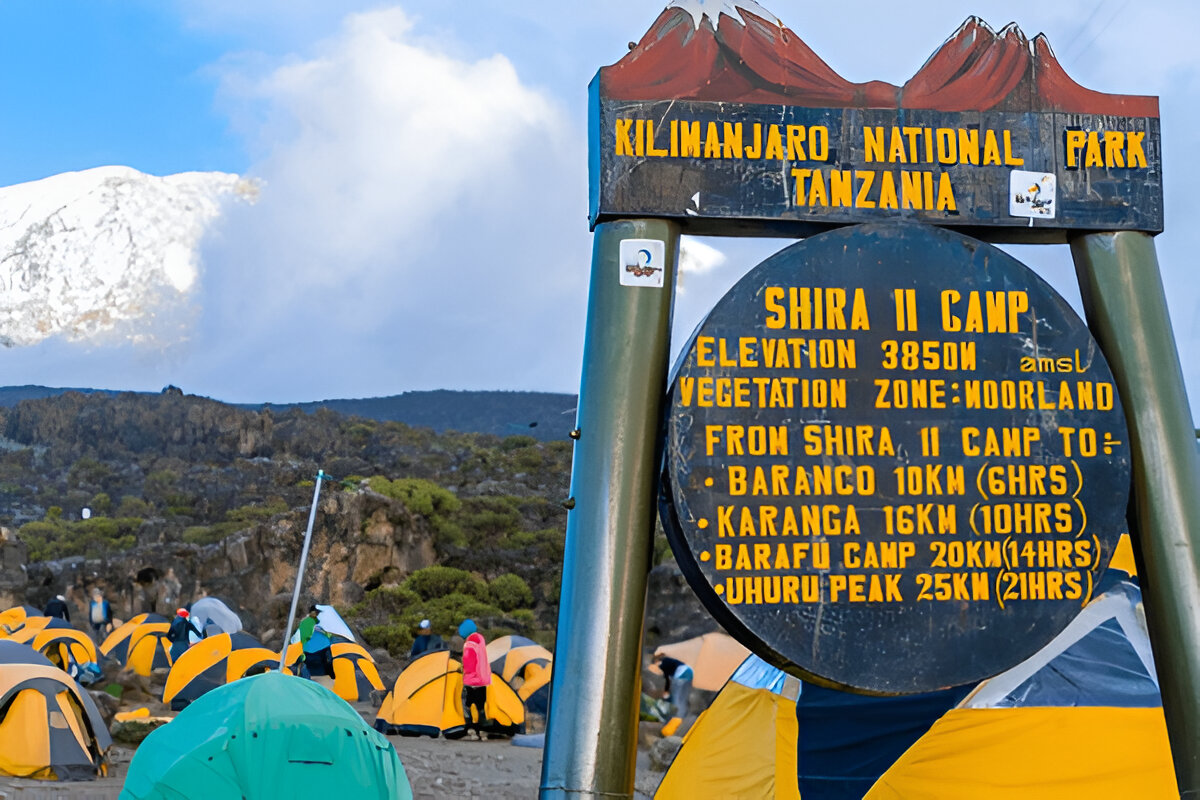
The Marangu route suits a specific kind of climber. If the thought of camping in freezing tents and washing with a bowl of cold water on other routes makes you hesitate, the hut-based comfort here is genuinely appealing. First-timers who don’t love camping, older trekkers who appreciate a proper mattress and a dining shelter, and those who have only a week to climb often lean toward this route.
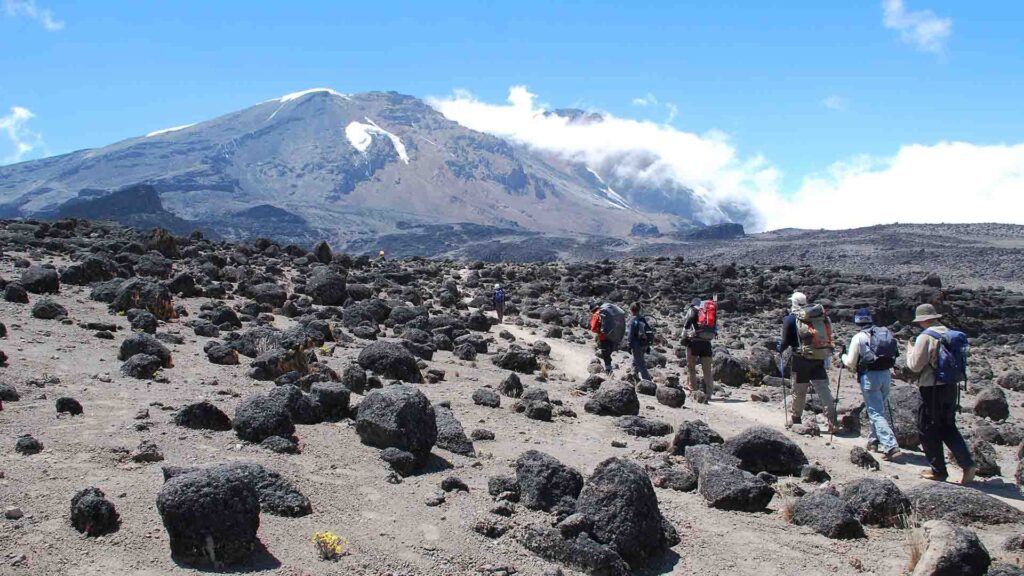
But the trade-off is real. The route gives your body fewer days to adjust to the altitude. If your top priority is giving yourself the highest possible summit odds, a longer route with a more gradual ascent—like Lemosho or the Northern Circuit—will serve you better. Scenery-wise, you’ll traverse lush rainforest, moorland, and alpine desert, but you won’t experience the dramatic landscapes or sweeping 360-degree views of the Shira Plateau that Machame offers.
Ask yourself honestly: is sleeping indoors more important to you than a few extra percentage points of summit probability? For many climbers, the answer is yes, and that’s perfectly fine. The key is to pair it with the longer, six-day version of the route.
Why 5 Days vs 6 Days Matters
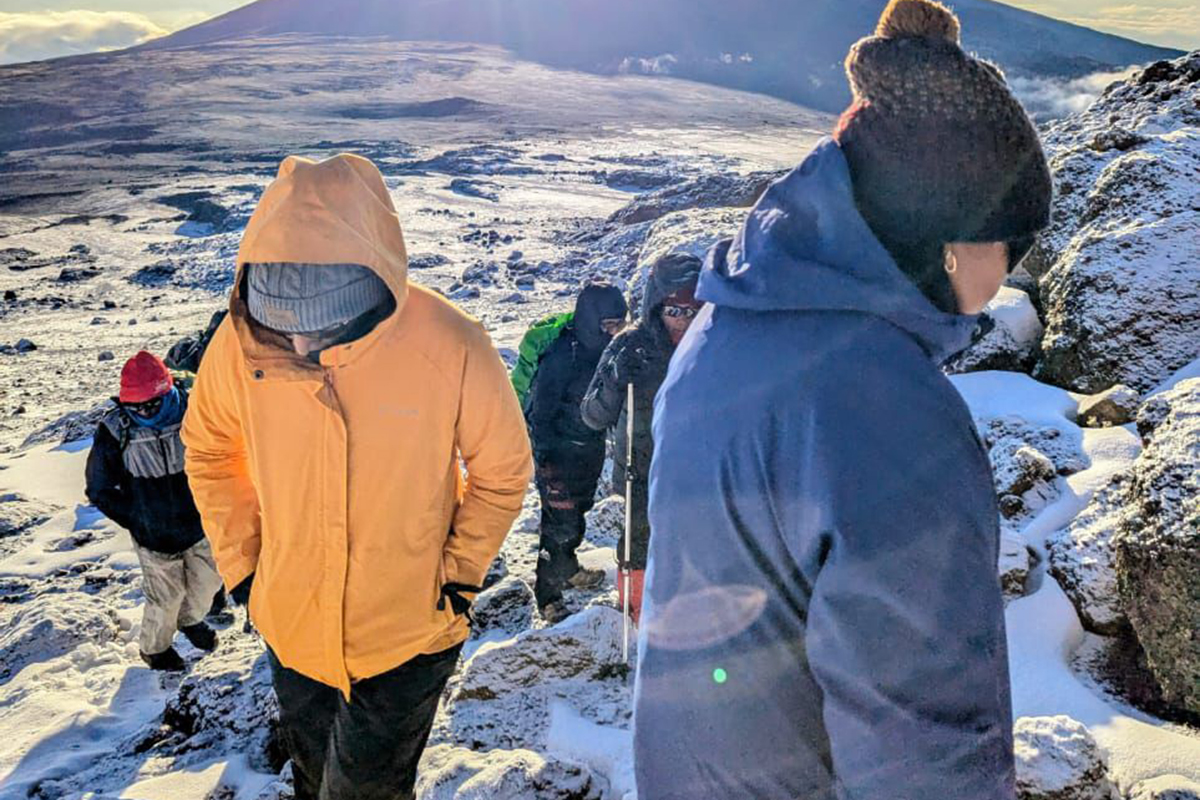
The Marangu route is typically sold as a five-day, four-night package—but that is too fast for many people. The six-day option adds a crucial acclimatization day at Horombo Hut on day three. This single extra day changes the entire physical equation.
On the five-day itinerary, you climb from Horombo (3,720 m) to Kibo (4,700 m) on day three, then launch into a midnight summit push barely rested. On the six-day version, you hike up to Mawenzi Ridge and return to Horombo on the extra day, giving your body a “climb high, sleep low” boost before moving to Kibo. That small adjustment can mean the difference between reaching Uhuru Peak and turning back with a pounding headache.
Park fees and hut nights increase slightly with the extra day, but the investment in a safer, more enjoyable climb is worth every shilling. Most reputable operators gently encourage the six-day option—and when clients struggle to summit, the story is almost always the same: they chose the five-day package to save money or time.
Inside the Marangu Route Huts
The Marangu route huts are simple, solid A-frame buildings with dormitory-style sleeping arrangements. Mandara (2,700 m) and Horombo (3,720 m) huts have bunk beds with foam mattresses, while Kibo (4,700 m) features larger, more basic dormitories with less insulation. During peak season, you’ll share these spaces with many other climbers. Snoring, early wake-up calls, and the rustle of kit bags are all part of the experience.
Toilets are shared pit latrines—basic, often clean but occasionally unpleasant. The route starts and ends at Marangu Gate, about an hour’s drive from Moshi on the lower southern slopes of Kilimanjaro. This area is the heartland of the Chagga people: banana and coffee farmers who have lived in the mountain’s shadow for centuries. Many climbers add a cultural visit to a Chagga village or a short hike to nearby Materuni waterfalls before the trek begins. It’s a gentle, grounding introduction to the region.
The gate itself is a bustling, lively spot on trekking days. You’ll register, meet your crew, and watch porters prepare loads with a quiet, disciplined efficiency. From here, the route climbs steeply into the montane forest. Once you return, the same crew will see you off, and you’ll have earned a hot shower and a cold Kilimanjaro beer back in town.
Because Marangu sits near the main northern highway, linking your climb to a safari is seamless. Most itineraries pair a six-day climb with a four- or five-day circuit through Tarangire, Ngorongoro, and the Serengeti. Alternatively, you can fly to Zanzibar the morning after leaving the trail, landing on a beach the same day. For safari enthusiasts, the 5-day Serengeti & Ngorongoro safari pairs perfectly with the climb. Your operator can organize it all into one smooth package.
FAQ
Do the huts have electricity and showers?
No showers are available anywhere on the Marangu route. Some dining huts at Horombo feature limited solar lighting, but you shouldn’t count on charging electronics. Bring a power bank and prepare for the wet-wipe-and-warm-bowl cleaning routine.
Can I get a private room in the huts?
At Horombo, a few operators can reserve an entire small dormitory for your group if you book early. Mandara and Kibo huts are generally communal. Speak with your operator well in advance if privacy is crucial to you.
Is the six-day Marangu route safe for older climbers?
Yes, and in fact, the hut comfort often makes it a preferred choice for fit, older trekkers. It’s strongly recommended to get a thorough pre-climb medical check-up and choose the six-day version to give yourself the best chance of success.
What if I can’t summit?
If you cannot summit, you’ll descend with a guide—safety always comes first. Reputable operators have clear turnaround plans, and many climbers still take away a tremendous sense of achievement. Remember, the mountain will still be there, no matter what.
Do I need trekking poles?
Trekking poles are highly recommended—especially for the long descent from the summit to Horombo Hut. They minimize strain on your knees and help with balance when you’re fatigued on loose scree.
What’s the food like?
Your crew will prepare three hot meals a day, along with snacks. Typical meals include pasta, rice, chicken or beef stews, fresh vegetables, fruits, soup, and tea. Halal, vegetarian, and other dietary requests can be easily accommodated with advance notice.
How cold does it get?
On summit night, temperatures can plunge to around -20°C (-4°F) with wind chill, even in the dry season. A proper four-season sleeping bag, insulated layers, and a high-quality balaclava are essential for staying warm. Check our Kilimanjaro packing list for a full gear checklist.
Will I see other climbers?
Yes, the Marangu route is one of Kilimanjaro’s classic paths and tends to be busy during the peak seasons from July to October and January to February. You’ll encounter climbers in huts, dining halls, and along the trail, but there are still moments of tranquillity to savor.
Can I combine Marangu with a safari?
Absolutely. Most operators offer seamless packages: a six-day climb followed by a four- or five-day safari through Tanzania’s northern parks, or even a direct flight to Zanzibar. It’s an excellent way to enhance your experience and make the most of your trip. For more on planning your budget, see our guide on climbing Kilimanjaro cost.
Is Marangu worth it for a first-timer?
If you genuinely dislike the idea of camping and are willing to book the six-day version, the Marangu route can be a great fit. Set realistic expectations about the cold and the basic hut accommodations, and you’ll enjoy a comfortable, classic Kilimanjaro experience. For physical preparation, consider our training to climb Kilimanjaro article.