Serengeti Safari Price Per Day:
Your Clear Cost Breakdown
You have probably seen that the Serengeti safari price per day is all over the place — one website says $150 a day, another quotes $700, and a third throws out a number that makes you wonder if you are reading the same trip. The Serengeti safari price per day genuinely varies that much, and most of the time, the difference comes down to what is actually included, where you sleep, and how you get there.
I run trips into the Serengeti for a living, and I have watched travelers overpay because they did not know which costs were fixed and which ones were flexible. This guide gives you a clear, honest breakdown — not just price bands, but what drives them, what you can skip, and what is worth every shilling. By the end, you will know what a realistic daily budget looks like for your style of travel, your group size, and the time of year you plan to visit.
What Drives the Daily Cost

If you have been comparing safari prices online, you have probably felt the frustration — two trips that look almost identical can be hundreds of dollars apart per day. The reason is rarely explained well by brochures or booking sites. In reality, a handful of specific factors make or break the Serengeti safari price per day, and understanding them puts you in control of your budget.
The single biggest cost driver is accommodation. A basic public campsite inside the park costs a fraction of what a tented camp with en-suite bathrooms and a dining tent costs. Lodges and permanent camps inside the park pay concession fees to operate on protected land, and those fees get passed along to you. Outside the park, lodging is cheaper — but you lose the advantage of waking up already inside the Serengeti, which matters a lot for early-morning game drives.
Vehicle and guide costs
Every safari vehicle comes with a daily running cost: fuel, maintenance, and a trained guide. When you share that vehicle with other travelers, the per-person cost drops sharply. A private vehicle gives you flexibility — stop when you want, linger at a sighting — but you carry the full daily vehicle expense alone or split it among fewer people. That is why group safaris and private safaris can look like completely different price tiers for the same park.
Park fees add up fast
The Serengeti park daily fees include non-resident entry fees per person per day, and if your lodge or camp sits inside the park boundary, a concession fee also applies. These are non-negotiable, set by TANAPA, and they hit your daily total harder on shorter trips. A three-day safari pays roughly the same park fees per day as a seven-day safari, but the longer trip spreads fixed costs like vehicle positioning and guide allowances over more days — bringing the daily average down noticeably.
Budget Safari Realities
Some travelers worry that a cheap Serengeti safari means a bad experience — bad guides, unsafe vehicles, no wildlife. That is not what I see on the ground. The real budget option is a group camping safari, and it works because smart cost-sharing replaces corners being cut. You sleep in dome tents at public campsites, the cook travels with you, and you share the vehicle with other travelers who booked the same departure.
Daily prices in this category often sit at the lower end of the $150 to $700-plus range that operators advertise. A three-day budget safari can start around $450 per person as a baseline. That is not luxury — showers are shared, nights are basic — but the wildlife viewing is the same Serengeti. You are in the same park, on the same tracks, watching the same lion pride as travelers paying four times as much. The difference is in the bedding, not the binoculars.
Where the savings come from
Camping eliminates the high per-night lodge costs and inside-park concession premiums. Public campsites charge a modest fee compared to private camps. Meals are prepared by your safari cook rather than a lodge kitchen, and the group spreads the guide and vehicle costs across more people. If you are young, fit, and comfortable with simpler living, this is the cheapest realistic way to do the Serengeti without cutting into safety or wildlife time.
Mid-Range Value Breakdown
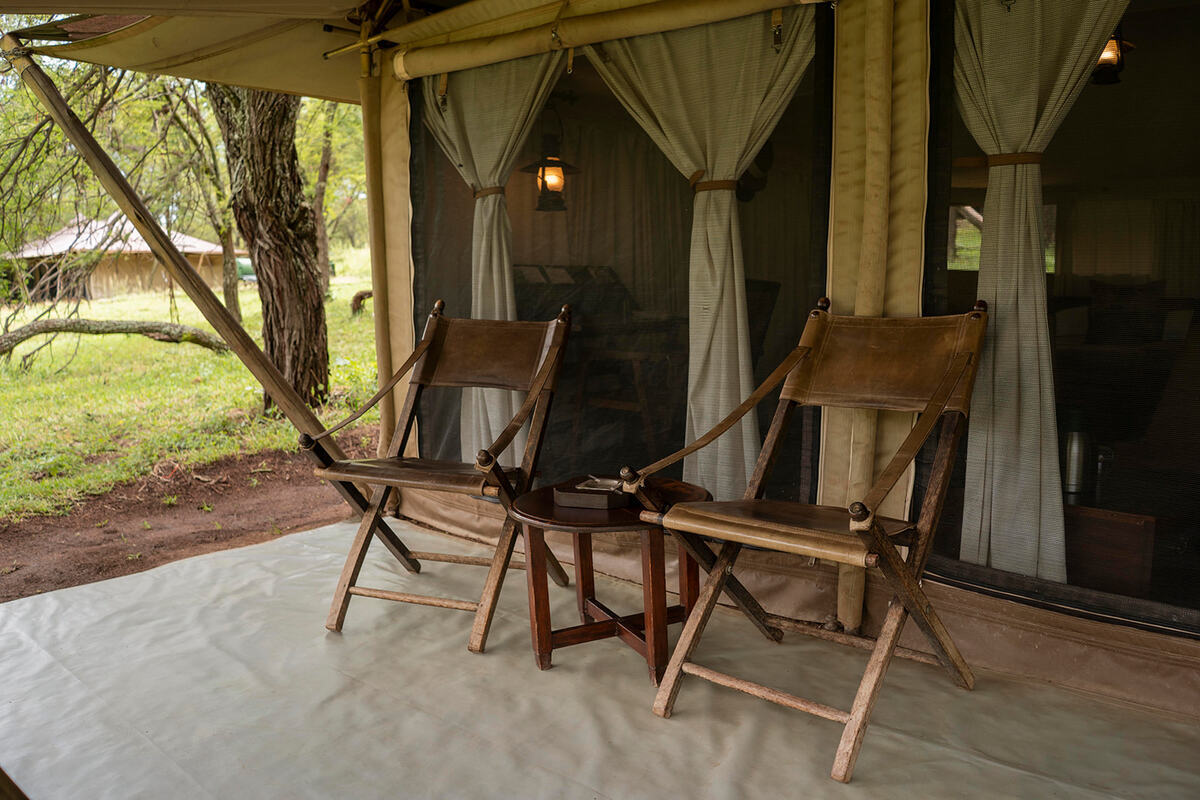
Mid-range is where most first-time international travelers land — and for good reason. You get a proper bed, an en-suite bathroom, and a lodge or tented camp that feels like a retreat after a long day in the dust. The daily rate climbs, but so does comfort, privacy, and the quality of the guiding operation behind the scenes.
A three-day mid-range Serengeti safari commonly starts around $450 per person, though that figure can shift with season and specific camp choice. What you are really paying for here is consistency. Vehicles are well-maintained, guides tend to be more experienced, and the camps have reliable hot water and decent food. For couples and small families, mid-range lodges often provide the sweet spot — enough comfort to unwind, without the premium price tag of the luxury fly-in camps.
What mid-range includes
Most mid-range packages bundle park entry fees, full-board meals, accommodation, a shared or private vehicle, and an English-speaking driver-guide. Transfers from Arusha are usually included if you are doing a road safari. What you still need to budget separately are drinks, tips, laundry, and sometimes a single supplement if you are traveling alone and want your own room. Always confirm VAT treatment — some quotes exclude it, and 18 percent added afterward stings.
Luxury and Fly-In Pricing
At the top end, Serengeti safaris stop being about cost per day and start being about access. Luxury fly-in safaris put you inside the park within hours of landing at Kilimanjaro, skipping the long road transfer entirely. Camps in this category sit in private concessions or prime river-crossing zones, and the daily rate reflects that exclusivity.
A three-day luxury safari can easily exceed $1,700 for the same duration that a budget trip covers for a few hundred dollars. Daily per-person rates in the luxury tier routinely push past $700, and fly-in logistics — light aircraft flights from Arusha to Serengeti airstrips — add several hundred more. But what you buy is time, solitude, and a level of service that budget and mid-range cannot match. Private vehicles, gourmet meals, plunge pools overlooking the plains — it is a different product entirely.
Is the premium worth it
For travelers who have limited days in Tanzania, the fly-in option turns a two-day drive into a ninety-minute flight. That means more time on game drives and less time on highways. Families with young children or older relatives often find the comfort and shorter travel days justify the higher daily rate. If you are celebrating a milestone trip, the luxury camps deliver — but go in with eyes open about what the per-day price actually includes and what extras will appear on your final bill.
Serengeti Safari Price Per Day

Let me give you the numbers straight. For a standard safari product in the Serengeti, published daily rates tend to cluster between roughly $150 and $700-plus per person. That is a wide band, and I know it can feel unhelpful at first glance. But the spread makes sense once you see what sits at each end — and what sits in the middle is where most real bookings happen.
The lower end of that range gets you a group camping safari with shared facilities and a road transfer from Arusha. The upper end gets you a private fly-in safari with an inside-park lodge and a dedicated vehicle. In between, mid-range lodges and tented camps fill the $300 to $500 per-day zone for most international operators. The number you end up with depends almost entirely on three choices: accommodation style, group size, and whether you fly or drive.
Why inside-park lodging costs more
Camps and lodges inside the Serengeti boundary pay concession fees to TANAPA — a cost that outside-park properties avoid. That fee, combined with higher operating costs for remote locations, pushes inside-park per-night rates up. But the trade-off is real: staying inside the park means your game drive starts the moment you leave camp, not an hour later after you clear the entry gate. For photographers and serious wildlife watchers, that alone can justify the higher daily figure.
Ready to start planning your Tanzania trip?
Tell us what you have in mind and we’ll build you a free, no-pressure itinerary with honest pricing — planned by a local team that runs these trips every day.
What’s Included and Other Costs
This is the section that saves you from the worst surprise in safari planning — the bill that arrives higher than the quote. Most Serengeti packages from reputable operators include park entry fees, accommodation, meals, a vehicle with a driver-guide, and drinking water during game drives. That sounds comprehensive, and for the core safari experience, it usually is.
The gaps, though, are consistent across operators and traveler types. International flights to Tanzania are almost never included. Your visa fee — paid on arrival or online — is separate. Tips for your guide and camp staff are expected, not optional, and they can total $15 to $30 per day depending on group size and service level. Drinks beyond basic water, laundry service, premium spirits, and sometimes even VAT get excluded from headline prices. Ask for a written list of what your quote covers — and what it does not — before you pay a deposit.
Single supplements and hidden fees
Solo travelers often face a single supplement charge because most lodges and camps price per person based on double occupancy. That supplement can add thirty to fifty percent to the daily rate. Some operators waive it during low season or for group safaris where room-sharing is possible. Always ask directly — a quoted per-day price for a couple can look very different from the solo version of the same trip.
Daily Serengeti Safari Cost by Group Size
Group size changes your daily Serengeti safari cost more than almost any other factor except accommodation level. A private safari for two carries the full weight of vehicle, fuel, and guide costs across just two travelers. A group of six in the same vehicle splits those same fixed costs six ways — the per-person daily rate drops noticeably, even at the same lodges.
For a solo traveler, the math is toughest. You pay the vehicle and guide alone, plus a possible single supplement on rooms. For a couple, mid-range private safaris tend to deliver the best balance of privacy and value. Families of four or five often find that booking a private vehicle with a family-friendly lodge keeps the daily cost manageable while giving everyone space. Larger groups — six or more — unlock the lowest per-person daily rates because fixed costs are spread thin, especially on road safaris where the vehicle is already sized for the group.
Sample scenarios to compare
Imagine three different trips. A budget group camping safari from Arusha might land around $150 to $200 per person per day for a group of four to six sharing a vehicle. A mid-range private safari for two, staying in tented camps outside the park, often runs $350 to $500 per person daily. A luxury fly-in for a couple, with inside-park lodges and a private vehicle, can pass $700 per person per day easily. Longer trips — five or seven days instead of three — bring the daily average down because the fixed positioning costs spread across more game-drive days.
Season and Timing Impact
The month you travel changes what you pay. Peak season in the Serengeti — roughly June through October, plus the December holiday window — pushes daily rates to their highest point. Lodges fill up, operators run more vehicles, and the best camps book out months ahead. If you are flexible, traveling in the shoulder months or the green season can knock a noticeable percentage off your per-day cost without sacrificing the wildlife experience.
Low season, typically April and May during the long rains, brings lower lodge rates and sometimes reduced park fees. Fewer vehicles on the tracks mean more private sightings, and the landscape is lush and green — excellent for photography. The trade-off is that some camps close entirely, and road conditions can slow transfers. But for budget-conscious travelers willing to risk a shower, the savings on daily rates are real and the Serengeti feels wonderfully empty.
Booking window matters too
Operators adjust pricing as availability tightens. Booking six to twelve months ahead for peak-season travel locks in better rates and gives you more choice of camps. Last-minute bookings during high season often mean paying a premium for whatever rooms remain. If your dates are fixed, plan early — the daily cost difference between booking in January for July versus booking in May for July can be substantial.
Road Safari vs Fly-In Compared
Every traveler heading to the Serengeti faces this decision early: drive from Arusha or fly in. The choice affects your daily cost, your total trip duration, and how much wildlife time you actually get. A road safari from Arusha to the Serengeti takes the better part of a day each way — roughly six to eight hours, depending on your exact route and stops. That drive time is not wasted; it passes through the Ngorongoro Conservation Area and offers its own stunning views. But it does eat into the hours you could be on a game drive.
A fly-in safari puts you on a light aircraft from Arusha to a Serengeti airstrip in about ninety minutes. Your guide meets you at the airstrip with the vehicle, and you are on a game drive within the hour. The convenience is undeniable — but the flight adds several hundred dollars per person to the total. For a three-day or four-day trip, that extra cost per day is significant. For a seven-day or longer trip, the flight cost amortizes across more days and shrinks in daily impact.
Which one fits your trip
If you have five days or fewer for your entire safari, flying in protects your wildlife time and reduces fatigue. If you have a week or more and do not mind the road, driving saves money and lets you experience the landscape transition from Arusha’s highlands into the Serengeti plains. Many travelers combine both — fly one way, drive the other — to get the best of both worlds at a middle-ground daily rate.
Planning Around Where You’re From

Where you are traveling from shapes what matters most in your Serengeti budget. Travelers from the United States and Europe often ask about value and safety first — they want to know the daily cost is justified by the quality of guiding, vehicle condition, and camp standards. They also tend to book further ahead, which helps lock in better rates and gives operators time to tailor the itinerary properly.
Travelers from the Middle East frequently prioritize privacy, family-friendly accommodations, and halal dining options. Many prefer private vehicles and camps that can accommodate larger family groups without strangers joining the vehicle. These preferences push the daily rate toward the mid-range and luxury tiers, but the experience matches the cultural expectations — and operators who understand this can plan accordingly from the start.
Asian and other international travelers
Visitors from parts of Asia often look for packaged convenience and photography-friendly pacing — fewer rushed mornings, more time at sightings, and clear communication about meals and logistics. These preferences affect daily costs less than accommodation and vehicle choice, but they do influence which operator and camp style fit best. Across all source markets, one rule holds: budget separately for long-haul flights and your visa, because those line items fall outside the safari package and can surprise you if you are not expecting them.
FAQ
How much does a Serengeti safari cost per day, all in?
For a standard safari including park fees, accommodation, meals, vehicle, and guide, daily rates typically fall between roughly $150 and $700-plus per person. Budget camping safaris sit at the lower end, mid-range lodge safaris occupy the middle, and luxury fly-in safaris push past the upper end. The final daily figure depends on your accommodation choice, group size, and whether you drive or fly into the park.
What is the cheapest realistic way to do the Serengeti without sacrificing safety?
A group camping safari offers the lowest daily rate while maintaining safety and wildlife viewing quality. You share a vehicle with other travelers, sleep in dome tents at public campsites, and travel with a trained guide and cook. The wildlife experience is the same as pricier options — you are in the same park on the same tracks.
Is a private Serengeti safari worth the extra cost compared to a group safari?
It depends on what you value. A private safari gives you full control over pacing, stops, and vehicle space — ideal for photographers, families with young children, or travelers who want solitude. The daily per-person cost is higher because you carry the full vehicle and guide expense. If flexibility and privacy matter more than the lowest price, a private safari is worth it.
How much more expensive is a fly-in safari than a road safari?
Flying adds several hundred dollars per person for the round-trip light aircraft flights between Arusha and the Serengeti airstrips. The daily impact is highest on short trips — three or four days — and less noticeable on week-long safaris where the flight cost spreads across more game-drive days. You also save two full days of road transfers, which means more wildlife time.
What park fees do I pay for the Serengeti?
The Serengeti park daily fees for non-resident visitors include a daily park entry fee set by TANAPA, plus a concession fee if your accommodation sits inside the park boundary. These fees are non-negotiable and apply per person per day. Outside-park lodges avoid the concession fee, which lowers the nightly rate but adds a short drive to the entry gate each morning.
Are meals included in Serengeti safari prices?
Most safari packages include full-board meals — breakfast, lunch, and dinner — whether you are camping, in a lodge, or at a tented camp. What varies is the style: budget safaris include meals prepared by a traveling cook, while lodges offer restaurant dining. Drinks beyond basic water are typically extra, and premium beverages almost always cost more.
What hidden costs should I budget for beyond the daily safari rate?
Common exclusions are international flights, visa fees, travel insurance, tips for guides and camp staff, laundry, premium drinks, and sometimes VAT. Single supplements apply to solo travelers at many lodges. Always request a written breakdown of inclusions and exclusions before booking so you are not surprised by the final total.
Does the season really change the daily price?
Yes, noticeably. Peak season — roughly June through October and late December — pushes lodge rates and availability to their highest point. Low season, particularly April and May, often brings lower accommodation rates and fewer vehicles in the park. Traveling in the green season can reduce your per-day cost while still delivering excellent wildlife sightings.
Can I do the Serengeti as a solo traveler without a huge single supplement?
Solo travelers often face single supplements that can add thirty to fifty percent to the daily room rate. Some operators waive supplements during low season or offer room-sharing on group safaris. If you are traveling alone, ask directly about solo pricing — a good operator will be upfront about the options.
How do I know if a quoted Serengeti price is fair?
To know if a quoted Serengeti safari price per day is fair, compare the quote against the general daily ranges for your travel style — budget, mid-range, or luxury — and check whether park fees, meals, transfers, and VAT are included. A price that seems too low may exclude major items, while a higher quote may reflect inside-park lodging or a private vehicle. The fairest quotes come from operators who itemize what you are paying for and explain where the money goes.