Plan Your Kilimanjaro Climb:
How Hard Is Kilimanjaro Climb?
A Clear Difficulty Guide
If you’re wondering how hard is Kilimanjaro climb, you’re not just asking about thin air or long uphill days. You’re really asking whether a normal person — with a busy life, maybe a little gym fitness, and zero mountaineering skills — can stand on Africa’s highest point and feel proud. The short answer is yes, but the honest answer depends on what you know before you book. This guide breaks down the real difficulty, the parts brochures don’t describe, and the choices that turn a sufferfest into a summit you’ll actually enjoy remembering.
How Hard Is Kilimanjaro Climb?

Most people picture ropes, ice axes, and near-vertical rock. Kilimanjaro isn’t that. It’s a non-technical trek; you won’t use ropes or crampons on the normal routes, and you don’t need mountaineering skills.
But calling it “just a long walk” is dangerously misleading, and it’s exactly why so many ask: is Kilimanjaro climb hard? The mountain hits you with altitude, not with technical climbing. Above 4,000 meters, every step feels heavier; at the summit crater rim, oxygen levels are roughly half of what you breathe at sea level. The real question isn’t whether you can hike — it’s whether your body adapts to that rapid change while you’re living in a tent and walking 5 to 14 hours a day.
Many first-timers underestimate the mental toll. Exhaustion, poor sleep, and day-after-day exposure to cold and wind wear you down in ways a stair machine never will. I’ve watched tough, fit people cry from simple fatigue, while a calm, steady person who embraced the slow pace and trusted the guide glided up. So how hard is Kilimanjaro climb? It’s hard in a way that doesn’t show up in a gym mirror — but completely doable when you respect the altitude, pick the right number of days, and let the mountain set the rhythm.
Physical vs Altitude vs Mental Hurdles

Strength alone doesn’t put you on the summit. The mountain throws three separate challenges at you, and most climbers hit a wall where the altitude flips the script. Physical difficulty is the easiest to train for: you’ll carry a light daypack (water, snacks, warm layers) while porters move the heavy kit, but you still need legs that can handle 5 to 8 hours of daily walking across scree, rock, and occasional steep sections. If long downhill leaves your knees screaming, pay attention — descent on summit day is brutal on joints.
Altitude difficulty is the invisible opponent. Even if your legs feel fresh, a dull headache, nausea, or a spinning room can stop you. This isn’t about fitness; it’s about genetics and acclimatization strategy. The guide team watches for early warning signs and enforces a “pole pole” (slowly slowly) pace that lets your body catch up. Mental difficulty then piles on top. When you haven’t slept well for three nights, the tent feels like a freezer, and the summit cone looks impossibly far in the dark, your mind can quit long before your lungs give out. The climbers who succeed often aren’t the strongest — they’re the ones who stay patient, eat when they don’t feel like it, and focus only on the next step.
A Day on the Mountain
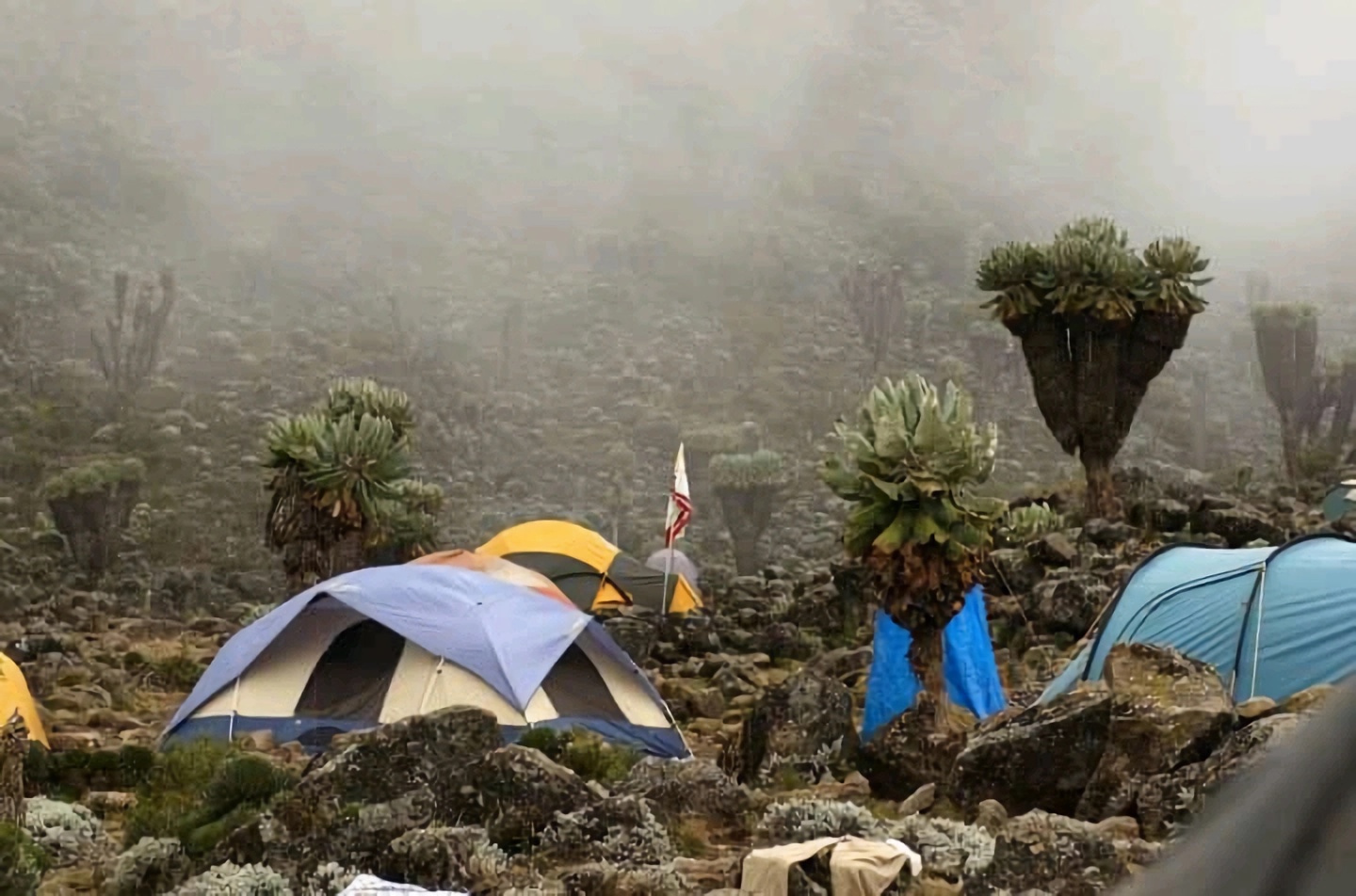
It’s easy to gloss over what “a Kilimanjaro day” actually feels like, and that’s where anxiety creeps in. Most days begin around 6:30 a.m. with a bowl of warm porridge or eggs, then you’re walking by 7:30. The trail rarely demands scrambling; it’s a steady climb on earth and rock, with a couple of hours in the morning, a short break, then another push to camp. You’ll arrive by mid-afternoon, peel off dusty boots, and rest. Afternoon tea and a hot meal arrive at your tent while the mountain hums with porters singing.
But the comfort is relative. As you gain elevation, sleep fractures. Nights above 3,500 meters often bring fitful, shallow rest — you might wake gasping occasionally as your body adjusts its breathing rhythm. Temperatures drop sharply; inside the tent, you’ll feel the cold seep through your sleeping bag, making it hard to recharge. By day four or five, a low-grade weariness settles in your bones. That’s not failure — it’s acclimatization working. Knowing this ahead of time helps you keep perspective when you feel slow and wonder if you can make it—exactly the moment many people ask how hard is Kilimanjaro climb.
Summit Night: What to Expect
Almost every climber points to summit night as the hardest physical and mental test of the entire trek, and for anyone asking how hard is Kilimanjaro climb, this is the defining ordeal. You wake around midnight, layer up in full thermal gear, and step into black, biting wind. The route climbs slowly by headlamp, with a guide murmuring “pole pole” every few minutes. You’ll walk in a rhythm for 6 to 7 hours in freezing temperatures that can dip well below -15°C (5°F) with wind chill, sipping water that may ice up in the tube.
The climb isn’t steep in a technical sense, but the altitude makes a gentle incline feel like walking through deep sand. Most people will feel a pounding headache, shortness of breath, and a surreal fogginess. Around Gilman’s Point or Stella Point on the crater rim, dawn often breaks — a sliver of light that can pull you emotionally back from near-defeat. The summit itself, Uhuru Peak, is a raw, cold triumph. Then comes the seldom-discussed part: the descent. After hours of grueling up, you still need to pick your way down loose scree for 3 to 4 hours, with legs that shake and a mind that just wants to sleep. Summit day is a 12- to 15-hour ordeal, and respecting that truth is the single best preparation you can make.
Kilimanjaro Difficulty Level
When travelers ask about the Kilimanjaro difficulty level, they usually expect a single rating, but truly answering how hard is Kilimanjaro climb means looking at route and days. A 5-day Marangu dash keeps the trip cheap and short, but it gives your body almost no time to adjust; altitude sickness rates are high, and the summit push becomes a race against your own physiology. Stretch that same climb to 6 days and you add a critical acclimatization day, reducing the shock.
Now compare that to an 8-day Lemosho or 9-day Northern Circuit route. You gain altitude more gradually, sleep lower several nights, and arrive on summit night with a noticeably better adaptation — your head is clearer, your step less wooden. The difficulty level doesn’t disappear, but it moves from “panic-inducing survival slog” to “hard, manageable challenge.” Locally, we see a huge difference: climbers on the shortest routes often turn back near the crater rim, while those on a week-long plan usually summit early in the morning with enough energy to take photos and smile. That’s why we rarely recommend anything shorter than 7 days for a first-timer from a low-altitude home country.
Ready to start planning your Tanzania trip?
Tell us what you have in mind and we’ll build you a free, no-pressure itinerary with honest pricing — planned by a local team that runs these trips every day.
How Fit You Need to Be
“Average fitness” means different things in different lives. On Kilimanjaro, it translates to being able to walk comfortably for 5 to 7 hours in hilly terrain, day after day, without injury. You don’t need a six-minute mile or bulging quads. What you need is a heart and lungs that can handle sustained effort at low oxygen, and joints that tolerate descending 2,800 meters in a single morning. Most first-timers I guide are not gym athletes; they’re office workers, parents, and retirees who spent two to four months training.
Smart training markers
If you can do back-to-back weekend hikes of 6 to 8 hours with a light pack and feel ready to go again on Monday, you’re in the right zone. Add stair climbing, long walks in the shoes you’ll wear on the mountain, and some core work — but skip the obsession with heavy weights. Altitude can’t be trained in a gym, so your preparation should focus on endurance and mental toughness. One overlooked test: try a cold, rainy, long walk when you’d rather be inside. That’s closer to summit morning than any treadmill run.
Preparing for Long-Haul Travel

Most international visitors from the US, Europe, or the Middle East arrive tired. A transatlantic flight plus a connecting hop into Kilimanjaro International Airport (JRO) can leave you sleep-deprived and dehydrated before you’ve seen the mountain. I always suggest a two-night buffer in a comfortable lodge in Arusha or Moshi. Use that window to rest, sort gear, and meet your team. Rushing straight from a plane to the trailhead at 2,000 meters is a gamble on altitude and jet lag you don’t want to take.
Time zone adjustment matters more than many travelers realize. If your body clock is still on a US or Gulf schedule, the early trail starts feel punishing. Plan an arrival day, a briefing and gear-check day, then a fresh start. Also, book your Kilimanjaro climb dates within Tanzania’s dry seasons — roughly mid-December to early March and June to October. Clear skies help morale; knee-deep mud and relentless rain make an already hard trek genuinely miserable. Local weather patterns mean the mountain can create its own microclimate, so a reliable operator will adjust pacing around afternoon cloud build-up.
Staying Comfortable on the Mountain
Comfort on Kilimanjaro isn’t luxury — it’s the difference between resting well enough to keep going and slowly falling apart. For Middle Eastern families and groups who value privacy, separate dining tents and a flexible pace are completely doable with the right team. Halal meals and vegetarian options aren’t an afterthought; they’re built into the menu with chicken, rice, lentils, and fresh vegetable stews prepared by a mountain cook. You just need to communicate your requirements before the trip, not on day two.
Asian travelers, especially those serious about photography, often worry about rushing past sunrise views. A well-structured itinerary allows for slower mornings and camera stops — a longer route naturally creates that space. Porters carry camp chairs, tables, and warm wash water, so even in a freezing alpine camp, you can sit, eat hot food, and breathe. These small comforts soften the mental blows, particularly on the long, relentless summit push when a memory of a hot meal and a smiling guide can pull you forward.
The Role of Your Guide Team
Tanzania’s Kilimanjaro guides must be licensed and wilderness first-aid trained; they also carry pulse oximeters and regularly check your oxygen saturation. But their real value shows in the subtle moments: reading your face when you won’t admit you’re struggling, adjusting the pace by just a few seconds per step, or knowing when a cup of ginger tea and ten minutes of rest will quiet early altitude symptoms. This is local knowledge that comes from living with the mountain, not from a manual.
Rescue support is coordinated through Kilimanjaro National Park and the operator’s ground team. In the rare event of severe altitude illness, a wheeled stretcher or helicopter evacuation can bring you down quickly — provided you’re on a route with vehicle access or adequate landing space. That’s another reason route choice matters. Longer routes like Lemosho or Northern Circuit often have better access and a shallower altitude profile, giving your guide more options to descend safely if needed. Trust that team, walk at their pace, and speak up the moment you feel “off.”
Success Rates and What They Miss
You’ll see summit success numbers tossed around — 65%, 85%, even “over 90%.” The figure you can actually trust depends on what operators count. Some report summit rates only for the climbers who didn’t quit on day one, which inflates the number. Others count anyone who touched Gilman’s Point (on the crater rim) rather than Uhuru Peak. The honest truth: a well-run 8‑day Lemosho climb can see 85‑90% of reasonably fit clients reach Uhuru Peak, while an aggressive 5‑day trip might see fewer than half.
What those stats hide is the individual story. A success rate doesn’t tell you that a person who summited felt miserable for two days afterward, or that a person who turned back at 5,400 meters still considers the trip one of the best experiences of their life because they listened to their body. I measure a climb’s success by whether you return safe, healthy, and proud of what you attempted — summitted or not — which is the truest answer to how hard is Kilimanjaro climb. When you choose the right route and enough days, you tilt the odds firmly in your favor, and you’ll know you gave the mountain a fair shot.
FAQ
Can a normal person with average fitness really summit Kilimanjaro?
Yes, and the thousands of first-timers who stand on Uhuru Peak every year prove it. Average fitness means you can handle long, rolling hill walks for multiple days without pain, not that you can run a marathon. What matters more than your gym numbers is picking a route of at least 7 days and following your guide’s pacing.
How much harder is a 5‑day climb versus an 8‑day climb?
The difference is enormous. A 5‑day itinerary compresses the same altitude gain into far fewer sleeping nights, giving your body almost no time to acclimatize. The extra days on an 8‑day route cut summit success drop‑off dramatically, reduce the misery of altitude symptoms, and let you actually enjoy the view instead of just surviving.
What is the hardest part: steepness, altitude, cold, or distance?
Altitude is the single biggest hurdle. Steep sections exist but are short; the cold on summit night is brutal but manageable with proper layers. It’s the cumulative effect of low oxygen, poor sleep, and the relentless summit‑night distance — 12‑plus hours of effort — that breaks most people. The steepness is rarely the culprit.
Is Kilimanjaro harder than Everest Base Camp?
Kilimanjaro gains altitude much faster than the Everest Base Camp trek, so the strain on your body arrives more abruptly. EBC spends more time at mid‑elevations, which eases acclimatization. Kilimanjaro’s summit night is colder and longer than any single day on the EBC walk‑in, so when travelers ask is Kilimanjaro climb hard compared to that trek, the altitude shock is the differentiator — neither requires technical skills.
Do I need trekking poles and how much does my daypack weigh?
Absolutely bring trekking poles; they save your knees on the endless descent and give rhythm on summit night. Your daypack should weigh around 5‑7 kg (11‑15 lb) — water, insulation layers, snacks, camera, and rain gear. Porters carry the rest, so you never haul a heavy expedition pack.
What happens if I get altitude sickness during the climb?
Guides monitor you daily with a pulse oximeter and ask simple questions to catch early signs. If symptoms worsen, they’ll descend with you immediately — even at night. Kilimanjaro National Park has rescue protocols, and many routes allow a stretcher wheel‑out or helicopter evacuation to lower altitude where you recover fast.
How cold does it really get on summit night?
On a dry‑season summit push, temperatures at the crater rim commonly drop to ‑15°C to ‑20°C (0°F to ‑5°F) before wind chill. With a good down jacket, insulated pants, and warm‑rating sleeping bag, you can manage, but expect to feel frozen fingers and a water‑tube that turns to ice.
Can I bring my family or is it only for solo adventurers?
Families climb successfully all the time, including with teenagers who are fit and motivated. The key is picking a longer route with a flexible schedule, private toilet tents, and a cook who handles varied diets. We’ve supported multigenerational groups where grandparents walked at their own pace and still summited.
How early should I arrive in Tanzania before starting the trek?
Land at least two nights before your climb begins. The first day absorbs jet lag; the second gives you time for a gear check and a relaxed briefing. Arriving on an overnight flight and starting the next morning is a common mistake that sets you up for early fatigue and altitude trouble.
Is the descent harder than the climb?
It’s different‑hard. Your lungs get relief as oxygen increases, but the relentless downhill pounds your knees, quads, and feet for hours right after you’ve burned everything on the way up. Trekking poles, slow‑and‑steady foot placement, and mental grit get you through it — but expect to be more sore on the way down.