Kilimanjaro Marangu Route:
Your Simple Plan for Comfort or Acclimatization
The Kilimanjaro Marangu route is the only path up Africa’s highest peak where you sleep in huts instead of tents—but that comfort can come at a cost. You might be weighing a climb with less camping hassle against the fact that Marangu’s shorter timeframe often lowers your summit chance. I’ve helped many international climbers work through this exact fork in the road. This guide gives you the real, unfiltered look at the route’s huts, difficulty, success odds, and the hidden trade-offs—so you can decide if the Marangu route matches your trip, your body, and your dream.Is the Kilimanjaro Marangu Route for You?
 The Marangu route suits a specific kind of climber. If the thought of camping in freezing tents and washing with a bowl of cold water on other routes makes you hesitate, the hut-based comfort here is genuinely appealing. First-timers who don’t love camping, older trekkers who appreciate a proper mattress and a dining shelter, and those who have only a week to climb often lean toward Marangu. But the trade-off is real. The route gives your body fewer days to adjust to the altitude. If your top priority is giving yourself the highest possible summit odds, a longer route with a more gradual ascent—like Lemosho or the Northern Circuit—will serve you better. Scenery-wise, you’ll walk through lush rainforest, moorland, and alpine desert, but you won’t get the dramatic traverse or sweeping 360-degree views of the Shira Plateau that Machame offers. Ask yourself honestly: is sleeping indoors more important to you than a few extra percentage points of summit probability? For plenty of climbers the answer is yes, and that’s perfectly fine. The key is to pair it with the longer, six-day version of the route.
Why 5 Days vs 6 Days Matters
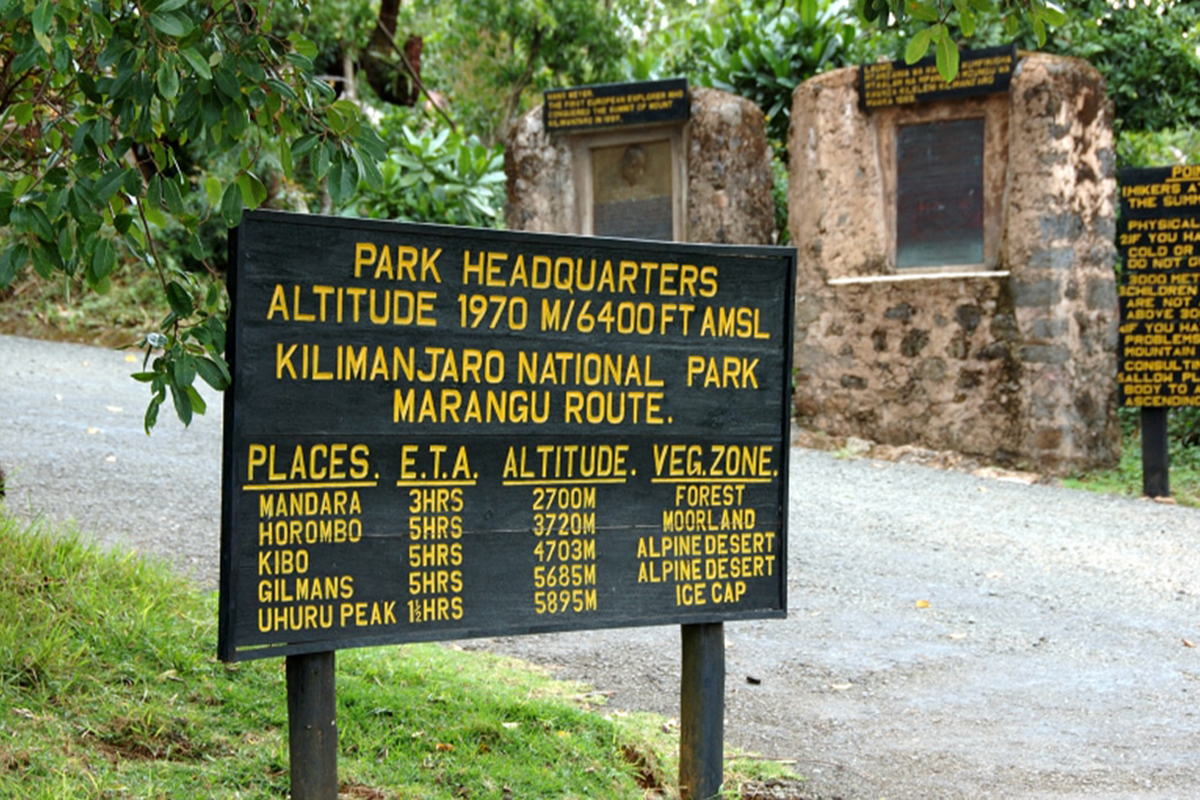
The Kilimanjaro Marangu route is typically sold as a five-day, four-night package—but that is too fast for many people. The six-day option adds a crucial acclimatization day at Horombo Hut on day three. This single extra day changes the whole physical equation. On the five-day itinerary you climb from Horombo (3,720 m) to Kibo (4,700 m) on day three, then launch into a midnight summit push barely rested. On the six-day version, you hike up to Mawenzi Ridge and back to Horombo on the extra day, giving your body a “climb high, sleep low” boost before moving to Kibo. That small adjustment can mean the difference between reaching Uhuru Peak and turning back with a pounding headache. Park fees and hut nights increase slightly with the extra day, but the investment in a safer, more enjoyable climb is worth every shilling. Most reputable operators gently push you toward the six-day option—and when they see clients struggle, the story is almost always the same: they picked the five-day package to save money or time.Inside the Marangu route huts
 The Marangu route huts are simple, solid A-frame buildings with dormitory-style sleeping. Mandara (2,700 m) and Horombo (3,720 m) have bunk beds with foam mattresses; Kibo (4,700 m) has larger, more basic dormitories and less insulation. In peak season you’ll share the space with many other climbers. Snoring, early wake-up calls, and the rustle of kit bags are part of the package. Toilets are shared pit latrines—basic, often cold, and you’ll want a headlamp for nighttime visits. There are no showers anywhere on Marangu. You wash with a flannel and a bowl of warm water your crew brings. Hand sanitiser and wet wipes become your best friends. At Horombo some sections have limited solar lighting in the dining huts, but don’t count on charging your phone. Despite the spartan conditions, there’s genuine relief in having a roof over your head when rain hammers the tin roof or wind howls outside. A few operators can book a private dorm room for your group at Horombo if you arrange it early, which gives families or women travellers extra privacy.
How Hard Is the Climb, Really?
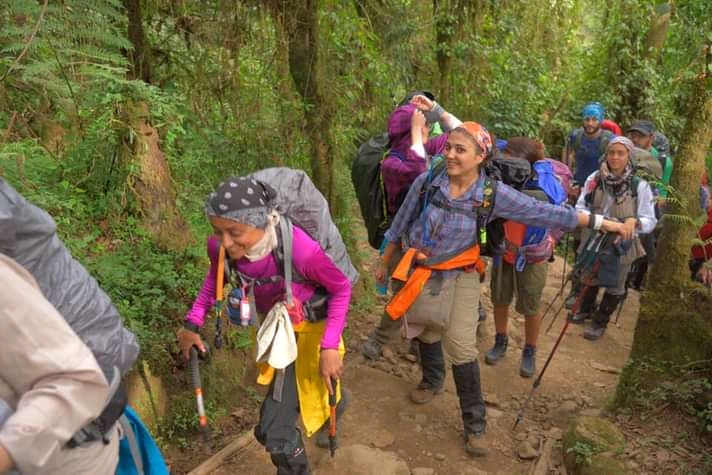
The daily walks on the Kilimanjaro Marangu route are not technical—you’re hiking on well-trodden paths, not using ropes or crampons. The real difficulty comes from altitude, the long summit push, and simple cold. Day distances range from about 8 to 12 kilometres, but the final ascent starts around midnight, gains over 1,100 metres, and takes 5–7 hours. The descent the same day pounds your knees for another 12 to 15 kilometres. First-time trekkers with a decent base of fitness manage Marangu all the time. You don’t need previous altitude experience, but you do need a body that tolerates thinner air—and nobody can predict that in advance. The route’s lower section through the rainforest is gentle, often muddy, and humid. As you break above the tree line, the air dries and cools sharply. Summit night temperatures routinely drop far below freezing, even when daytime on the lower slopes was hot. The mental side catches many off guard. Hours of shuffling in the dark, short of breath, can feel endless. Poles help enormously, and a steady, unhurried pace—something good guides enforce—makes a huge difference.What Changes Your Summit Odds
The single biggest variable is how many nights you spend on the mountain. The six-day Kilimanjaro Marangu route gives your red blood cells more time to adapt, which directly improves your chances. After that, the quality of your operator becomes the next biggest lever. Guides who check your oxygen saturation daily, encourage slow walking, and genuinely listen to how you’re feeling give you far better odds than a cut-price outfit rushing you up. Simple habits also stack the deck in your favour: drinking three to four litres of water a day, eating even when you’ve lost your appetite, and taking Diamox after consulting your doctor. Altitude sickness doesn’t care how fit you are—even marathon runners can get hit hard. Many climbers on the five-day Marangu route don’t see the summit. The six-day version, with a reputable operator, can produce success rates that rival some mid-length tented routes. Look for operators approved by the Kilimanjaro Porters Assistance Project (KPAP), a local sign that porters are treated fairly and guides are properly trained—this directly impacts safety and morale on the mountain.Ready to start planning your Tanzania trip?
Tell us what you have in mind and we’ll build you a free, no-pressure itinerary with honest pricing — planned by a local team that runs these trips every day.
START PLANNING MY SAFARIBest Months and Seasonal Swings
The driest, most reliable trekking windows are January to early March and June through October. Skies are clearer, summit views are sharper, and the trails are less muddy. Those months also bring colder summit nights and more climbers on the route, so huts feel busier. Booking your spot well ahead helps, though the Kilimanjaro Marangu route rarely sells out as fast as Machame because far fewer operators use it now. Long rains fall from late March to May. The trail becomes a churned, slippery mess of red mud, and the summit can stay veiled in cloud. Some climbers still go—the mountain isn’t closed—and they enjoy empty huts and quiet paths, but you need to accept a very high chance of wet gear and zero views from the top. Short rains in November are lighter and often clear by late afternoon, making early November an interesting shoulder option. Temperature swings are sharp year-round. At Horombo nights often dip near freezing; at Kibo they regularly fall to -10°C or lower even in the best months. Wind chill on summit night can make it feel much colder, so season isn’t a substitute for good layering.What You Pay and What You Get
 Climbing costs vary widely between operators on the Kilimanjaro Marangu route, and that’s almost always because of what’s included. The government park entrance, hut, and rescue fees form a fixed base that runs several hundred dollars per person and climbs with each extra day. Then add wages for a fair-sized crew—guide, cook, porters—plus food, transfers, and equipment. A bottom-end quote usually means corners are cut somewhere: fewer crew, overloaded porters, poor meals, or old rented sleeping bags that aren’t warm enough. A mid-range six-day package covers proper guide-to-client ratios, solid safety protocols, fair porter loads, and meals that keep your energy up. It also tends to include a thorough gear check in Moshi and a pre-climb briefing. What you don’t always see on the invoice: a few hundred dollars for tips, which are expected for the crew. Budget that separately. If you have dietary requirements—halal, vegetarian, gluten-free—Tanzanian teams can handle them with notice, and good operators include that in their standard service without surcharges.
Other Routes Worth Comparing
In the Marangu route vs Machame comparison, Machame is the most popular competitor. It’s a tented route that climbs higher and sleeps lower on multiple days, giving you better acclimatisation. Its scenery is more dramatic, but you’ll be washing from a basin and walking on steeper, more uneven ground. Lemosho starts on the remote western side, takes seven or eight days, and has some of the highest summit success rates on the mountain—but it’s pricier and demands you’re comfortable camping for a full week. Rongai comes from the north, near the Kenyan border, staying drier if you’re trekking in the rainy months. The Northern Circuit is the longest, most gradual route, with nine days of trekking and success rates above 90%, though it’s the most expensive and not for anyone on a tight timeline. In the Marangu route vs Machame comparison, the hut comfort is Marangu’s stand-out feature, which none of the other routes offer. If the idea of zipping yourself into a tent at 4,000 metres fills you with dread, the choice is simple. But if you can tolerate three or four nights of proper camping, you’ll open up routes that give your body more time to adjust and lift your summit odds noticeably.Planning from USA, Europe, or Middle East
 Long-haul travellers should arrive at Kilimanjaro International Airport at least two full days before the climb starts. Jet lag and a lost luggage situation on day one can derail your entire trek. Use those extra days for a gear check, a Moshi town walk, and simply resting at moderate altitude with good coffee and banana stew. Visas are available on arrival for most nationalities—US, European, and UAE passport holders simply pay the fee and provide their yellow fever certificate if applicable. For Middle Eastern visitors specifically, halal meals are easy across Tanzania; almost any crew will prepare halal-compliant dishes if asked. Prayer times can be accommodated with short breaks on the trail, and some operators have Muslim guides who understand the rhythm. Women in mixed groups can ask about a private hut dorm at Horombo, or arrange a women-only travel pod for extra comfort. Packing from a cold home climate doesn’t mean you’re off the hook for a good four-season sleeping bag and mountaineering layers. The mountain’s cold is different: dry, windy, and unforgiving regardless of what you’re used to at home. Bring a universal plug adapter and enough power banks—there’s no charging on the mountain.
Marangu Gate, Culture, and Safari Combos
Your climb on the Kilimanjaro Marangu route kicks off at Marangu Gate, about an hour’s drive from Moshi on the lower southern slopes of Kilimanjaro. This area is the heartland of the Chagga people—banana and coffee farmers who have lived in the mountain’s shadow for centuries. Many climbers add a cultural visit to a Chagga village or a short hike to nearby Materuni waterfalls before the trek begins. It’s a gentle, grounding introduction to the region. The gate itself is a bustling, chaotic spot on trekking days. You’ll register, meet your crew, and watch porters weigh loads with a quiet, disciplined efficiency. From here, the route climbs steeply into the montane forest. Once you return, the same crew will see you off, and you’ll have earned a hot shower and a cold Kilimanjaro beer back in town. Because Marangu sits near the main northern highway, linking your climb to a safari is seamless. Most itineraries pair a six-day climb with a four- or five-day circuit through Tarangire, Ngorongoro, and the Serengeti. Or you can fly to Zanzibar the morning after you walk out of the gate, landing on a beach the same day. Your operator can stitch the Kilimanjaro Marangu route together with a safari or Zanzibar beach extension into one smooth package.FAQ
-
Do the Marangu route huts have electricity and showers?
The Marangu route huts have no showers. Some dining huts at Horombo have limited solar lighting, but you shouldn’t count on charging electronics. Bring a power bank and accept the wet-wipe-and-warm-bowl routine. -
Can I get a private room in the huts?
At Horombo, a few operators can reserve an entire small dormitory for your group if you book early. Mandara and Kibo are generally communal. Speak with your operator well in advance if privacy is important. -
Is the six-day Marangu route safe for older climbers?
Yes, and in fact the hut comfort often makes it a preferred choice for fit, older trekkers. A thorough pre-climb medical check-up and choosing the six-day itinerary are both strongly recommended. -
What if I can’t summit?
You’ll descend with a guide; safety always comes first. Reputable operators have a clear turnaround plan, and many climbers still walk away with a huge sense of achievement. The mountain will be there another year. -
Do I need trekking poles?
Highly recommended—especially for the long descent from the summit to Horombo Hut. They save your knees and help you keep your balance when you’re exhausted on loose scree. -
What’s the food like?
Your crew prepares three hot meals a day plus snacks: pasta, rice, chicken or beef stews, fresh vegetables, fruit, soup, and tea. Halal, vegetarian, and other dietary requests are simple to arrange with advance notice. -
How cold does it get?
On summit night, temperatures can drop to around -20°C (-4°F) with wind chill, even in the dry season. A proper four-season sleeping bag, insulated layers, and a good balaclava are non-negotiable. -
Will I see other climbers?
Yes, Marangu is a classic route and busy during July–October and January–February. You’ll share huts, dining halls, and the trail, but there are still plenty of quiet moments among the clouds. -
Can I combine Marangu with a safari?
Absolutely. Most operators offer seamless packages: a six-day climb followed by a four- or five-day safari in the northern parks, or a flight straight to Zanzibar. It’s one of the easiest ways to turn the climb into a fuller Tanzanian holiday. -
Is Marangu worth it for a first-timer?
If you genuinely dislike the idea of camping and you’re willing to book the six-day version, it can be a wonderful fit. Set the right expectations about the cold and the basic huts, and you’ll have a comfortable, classic Kilimanjaro experience.
Further reading: Planning your Kilimanjaro trek · Serengeti National Park · Zanzibar Holidays
Related guides: Training to climb Kilimanjaro · Mount Kilimanjaro · Kilimanjaro packing list · Climbing Kilimanjaro cost · Kilimanjaro insurance · Vaccinations & visas · Kilimanjaro weather · Serengeti migration safaris · Tanzania Big5 · Tanzania family safari · Tanzania photographic safari · Tanzania cultural tourism · Machame route · Marangu route · Lemosho route · Northern Circuit route · Rongai route · Umbwe route