Climb Kilimanjaro’s Machame Route with Confidence: Your Machame Route Kilimanjaro Guide for First-Time Trekkers
Choosing the Machame route Kilimanjaro for your first high-altitude trek is a big decision. It’s known for stunning scenery, varied terrain, and one of the highest success rates on Kilimanjaro. For anyone dreaming of summiting Africa’s tallest mountain, the Machame route is both an inviting and demanding path. If you’re a first-time trekker, it’s normal to feel both excited and uncertain—you want clear, trustworthy information, not hype. This honest guide delivers exactly that.
Why Pick the Machame Route for Kilimanjaro?
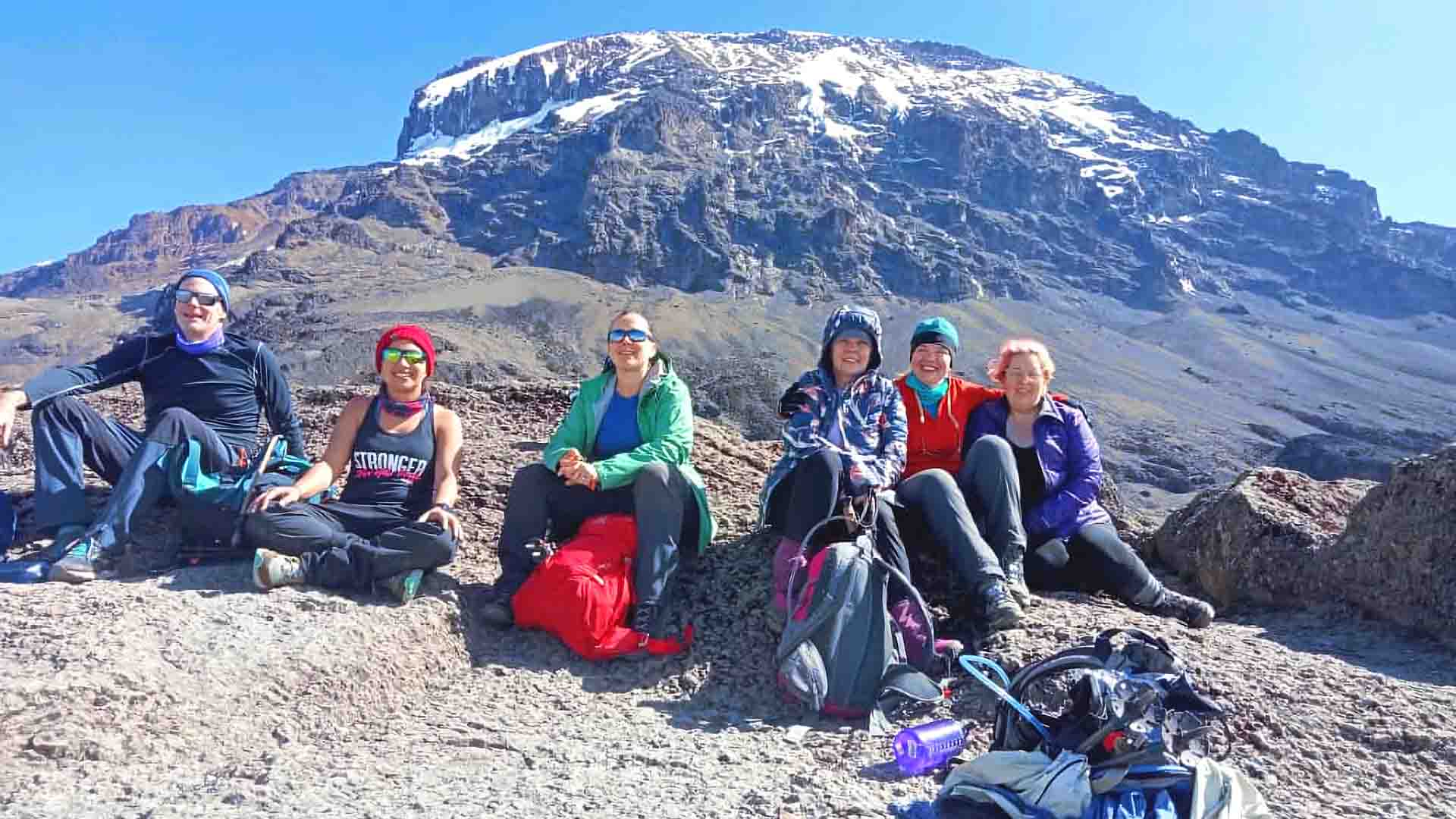
The Machame route Kilimanjaro has a reputation for being a scenic adventure. Traversing rainforest, alpine desert, and glaciers, every day feels uniquely different. Compared to other options, it features more gradual acclimatization, which boosts your chances of reaching Uhuru Peak. This route also includes the famous Barranco Wall, a hands-on scramble that offers excitement without technical climbing skills required.
While the Machame route is sometimes called the “Whiskey Route,” this nickname simply hints at a tougher challenge compared to the easier “Coca-Cola Route” (Marangu). Still, many consider it accessible for fit novices and experienced hikers alike.
Understanding Machame Route Difficulty: Is It Right for You?
How hard is the Machame route? The Machame route difficulty is moderate to high, depending on your trekking experience and physical fitness. Expect steep sections, long days (6–10 hours of walking), and chilly nights. Altitude affects everyone differently, so even seasoned hikers can struggle with symptoms. Success rates average between 70% and 85%, a figure higher than several other routes. This is mostly due to the route’s “climb high, sleep low” opportunity, which supports acclimatization.
It’s not a technical climb—no ropes or special equipment—but sturdy hiking boots, layers for all weather, and mental grit are essential. Training for several months prior, focusing on cardio and leg strength, dramatically improves your chances. The key is to respect the altitude and never rush.
What to Expect: A Day-by-Day Machame Route Itinerary
The Machame route itinerary usually spans 6–7 days. Most agencies recommend the 7-day version, which increases acclimatization time and, with it, your odds of summit success. Here’s a general layout of what to expect each day:
- Day 1: Machame Gate to Machame Camp – Lush rainforest, muddy trails, lots of excitement and energy.
- Day 2: Machame Camp to Shira Cave – Emerging from rainforest into moorland, with expanding views.
- Day 3: Shira Cave to Barranco Camp via Lava Tower – This “climb high, sleep low” day is challenging and key for acclimatization.
- Day 4: Barranco Camp to Karanga Camp (and sometimes directly to Barafu) – The famous Barranco Wall scramble!
- Day 5: Karanga Camp to Barafu Camp – Alpine desert, anticipation building for the summit push.
- Day 6: Barafu Camp to Uhuru Peak (summit!), then descend to Mweka Camp – Summit night is long, cold, and unforgettable.
- Day 7 (if included): Descent from Mweka Camp to the Mweka Gate – Lush forest and a well-earned certificate.
Remember, weather, group pace, and health can all influence the exact schedule.
Packing and Preparation: Gear for the Machame Route Kilimanjaro
Packing smart is key. The weather ranges from tropical heat to snowy winds in just one week. You’ll need:
- Good waterproof boots broken in well before your trek
- A quality sleeping bag rated for at least -10°C (14°F)
- Layered clothing: wicking base layers, insulating mid-layers, and a weatherproof shell
- Warm hats, gloves, and extra socks
- Trekking poles (helpful for downhill descents)
- Sunscreen, sunglasses, and lip balm (UV is extreme at altitude)
- Headlamp and spare batteries
- Personal medical kit including altitude medication (after consulting your doctor)
Most outfitters provide tents and meals, but check exactly what’s included and clarify if you’ll carry your own gear or if porters are provided.
Food, Water, and Health Along the Machame Route
Your energy needs will skyrocket. Operators generally serve hearty, high-carb meals with plenty of fluids (often purified water and tea). Appetite often fades at altitude, but eating and drinking remain crucial for performance and safety. Filtered or boiled water is provided by most reputable trek companies. Bring water purification tablets for extra peace of mind. Altitude sickness can strike anyone, so know the symptoms: headache, nausea, insomnia, and loss of appetite. Guides monitor health daily, and the best outfitters are trained in first aid and evacuation procedures.
Best Time to Hike the Machame Route Kilimanjaro
The prime trekking seasons are January–March and June–October. These months typically offer clearer, drier weather. March–May and November tend to be rainy, with muddy trails and less predictable views. While trekking in the off-season is possible (and crowds are fewer), the Machame route difficulty can increase with snow and rain, and summit chances may drop.
Costs and Booking Tips
Kilimanjaro treks aren’t cheap. Expect Machame route Kilimanjaro prices to range widely depending on operator reputation, group size, how many days you trek, and whether extras (like airport transfers or gear rentals) are included. Most 7-day treks cost between $1,700 and $3,500 per person. Always check what’s included—such as park fees, meals, tents, and guides—before booking.
Choosing a reputable, responsible company is about more than safety; it can also affect your entire trekking experience. Read recent reviews, ask questions, and verify their commitment to porter welfare and environmental stewardship.
FAQs: Real Questions from Machame Route Trekkers
-
How fit do I really need to be for the Machame Route?
A strong baseline of cardiovascular fitness and regular hiking experience are important. Many trekkers spend several months building stamina and strength. Remember, the major challenge often comes from altitude rather than terrain alone.
-
Do I need to hire a guide?
National park rules require all climbers on Machame route Kilimanjaro to hire a registered guide. Porters carry most luggage, so you only hike with your daypack.
-
Will I get altitude sickness?
It’s possible even for the fittest hikers. The “climb high, sleep low” design of the Machame route itinerary helps, but close monitoring, slow ascent, and proper hydration are crucial.
-
Is there mobile signal or Wi-Fi?
Mobile networks reach some areas on the mountain, but signal is unreliable and there’s no Wi-Fi. Prepare for a digital detox while you immerse in nature.
-
Can I rent gear locally in Moshi or Arusha?
Yes, most basics—like sleeping bags, poles, and jackets—are available for rent at outfitters in gateway towns. Quality varies, so bring any specialty gear you rely on for comfort or performance.
Machame Route Kilimanjaro: The Reward Outweighs the Challenge
The Machame route Kilimanjaro offers a world-class trekking experience for those willing to prepare and respect its demands. With a clear understanding of Machame route difficulty, good training, and a detailed Machame route itinerary, your odds of a safe and successful summit rise dramatically. Don’t aim for a “gentle” climb—embrace the adventure, savor each step, and you’ll earn memories (and views) that endure long after descent.