Training To Climb Kilimanjaro

 Africa’s highest mountain and the legendary Roof of Africa — a journey through every ecosystem on Earth.

100% transparent pricing

Local Tour Operator

Sustainable & responsible safaris

Fully flexible refund & cancellation policies

Preparing to stand on the Roof of Africa requires a strategic mix of physical endurance, muscular strength, and mental stamina — trekking 8 to 16 km every day for up to nine consecutive days.


While building physical reserves is crucial to prevent exhaustion, any seasoned high-altitude guide will tell you that mental stamina is what actually gets you to the summit — especially during the grueling final summit night.

1. Aerobic & Cardiovascular Training


Aerobic exercise enhances your body's ability to process limited oxygen efficiently — a vital skill when walking through thin air at 5,895 metres.

For Beginners: Commit to a 3-to-6-month workout regime. Focus on long-distance walking or running (5–10 km) at least three times a week. If using a treadmill, set a consistent slow pace with a slight incline.

For Fit Trekkers: Maintain your existing cardio routine until one month before your climb, then increase session duration while keeping intensity moderate.

⚠ The Fitness Trap: Speed is Your Enemy

A common mistake highly fit individuals make is pushing too hard on the lower slopes because they feel great. No matter your fitness level, your body requires time to acclimatize. Listen to your crew when they say "Pole Pole" — moving at a measured, deliberate pace is the absolute key to summit success.

2. Targeted Strength Conditioning


While porters carry your main duffel bag, you will still wear a 20-to-30-litre daypack for 6 to 7 hours a day. Over consecutive days, this weight takes a toll on your shoulders, lower back, and core. Integrate these movements 2 to 3 times per week:

Lower Body Focus

Exercise Benefit
Squats & Lunges Builds quad and hamstring endurance for long ascents
Weighted Step-Ups Simulates continuous stepping on rocky trails
Front & Reverse Leg Curls Protects and stabilises knees for the descent

Core & Upper Body Focus

Exercise Benefit
Planks & Sit-Ups Stabilises your centre of gravity while carrying a pack
Kettlebell Swings & Rows Strengthens the lower back and shoulders
Shoulder Presses Prepares upper body for hours of trekking pole use

3. Real-World Practice Hikes


There is no better training for a long hike than going on a long hike. Before departing for Tanzania, schedule at least two long-distance hikes lasting over 5 hours. Completing these on back-to-back days is ideal to test how your body recovers from residual fatigue.

Joint Conditioning: Going down a mountain is often tougher on the body than going up. Practice hikes condition your knees and joints for steep, sustained descents.

Gear Validation: This is your window to test your daypack fit, thermal layers, socks, and hydration systems under real strain. Never arrive in Tanzania with unworn boots.

4. Developing Elite Mental Stamina


When you are waking up at midnight in freezing temperatures, battling low oxygen, and taking the final steps toward Uhuru Peak, physical fitness takes a backseat to sheer mental grit.

Adopt a philosophy of "hope for the best, prepare for the worst." If you mentally accept beforehand that you will be cold, tired, and experiencing mild altitude symptoms, it becomes much easier to push through those barriers on summit night.

Engage in endurance activities that challenge your perceived limits. Long-distance running — such as half-marathons or full marathons — forces you to dig deep into your psychological reserves, perfectly mirroring the mental stamina required on the upper slopes of Kibo.

High-Altitude Training: Can You Prepare for Thin Air?


True acclimatization relies on complex anatomical adaptations that require sustained exposure to high altitude. The minor adjustments gained during a short workout session with an altitude mask fade shortly after the session ends.

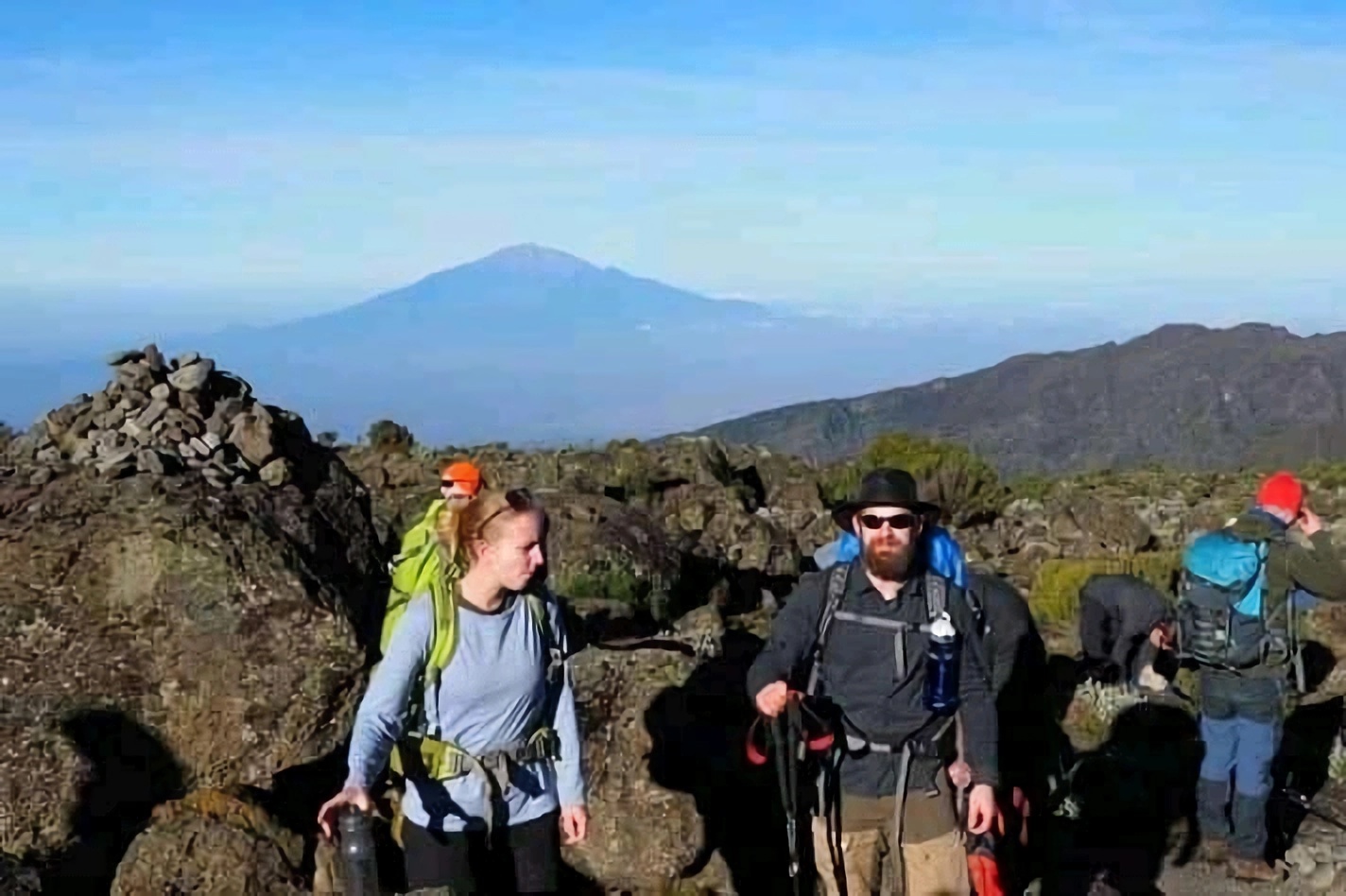
The single most effective strategy is to pre-acclimatize on a neighbouring peak. Booking a trek up Mount Meru (4,565m) right before attempting Kilimanjaro is the absolute best way to jumpstart your body's red blood cell production and guarantee a safer, smoother climb.

Let's Build Your Custom Kilimanjaro Itinerary

With the right physical preparation and a safe, responsibly paced itinerary, reaching the summit of Kilimanjaro is achievable for trekkers of almost all ages and fitness backgrounds. Let us help you match your fitness profile with the perfect route.

Speak to someone
who's been there

Start planning your tailor-made trip to Mount Kilimanjaro by contacting one of our Tanzania specialists.

☎ 00255757502047 💬 Chat on WhatsApp

Training Checklist

Your quick-reference guide to summit-ready preparation.

Cardio is king. Hike, jog, swim or cycle 3× per week.
Condition legs & core. Squats, lunges, and step-ups.
Plan practice hikes. Multi-day treks in your actual gear.
Break in your boots. Never arrive with unworn footwear.
Prepare your mind. Anticipate cold, low sleep, and fatigue.
Training Timeline Kilimanjaro
6 months out — Begin cardio baseline & strength routine
3 months out — First long-distance practice hike
1 month out — Increase cardio duration; back-to-back hikes
2 weeks out — Taper intensity; finalize gear
Optional — Pre-acclimatize on Mount Meru (4,565m)

Key Stats

What to expect physically on the mountain every day.

Daily distance8–16 km
Trek durationUp to 9 days
Daily pack weight20–30 litres
Hours hiking per day6–7 hours
Summit altitude5,895 m
Recommended prep time3–6 months

Kilimanjaro Signature Climbs