Trip Info
-
Mid Range
-
Arusha
-
All Year Around
-
English
-
All Inclusive
-
4x4 Toursit Van
Safari Overview
The Best Serengeti Safari: A 4-Day Fly-In Luxury Adventure
For the traveler who values time as much as the thrill of the wild, this fly-in expedition is the definitive way to experience Northern Tanzania. By bypassing the long dusty roads and soaring directly into the heart of the savanna, you maximize every hour spent in the company of the world’s most spectacular wildlife.
Safari Highlights
- Aerial Perspectives: A breathtaking bush flight from Arusha, offering a bird’s-eye view of the Ngorongoro Highlands.
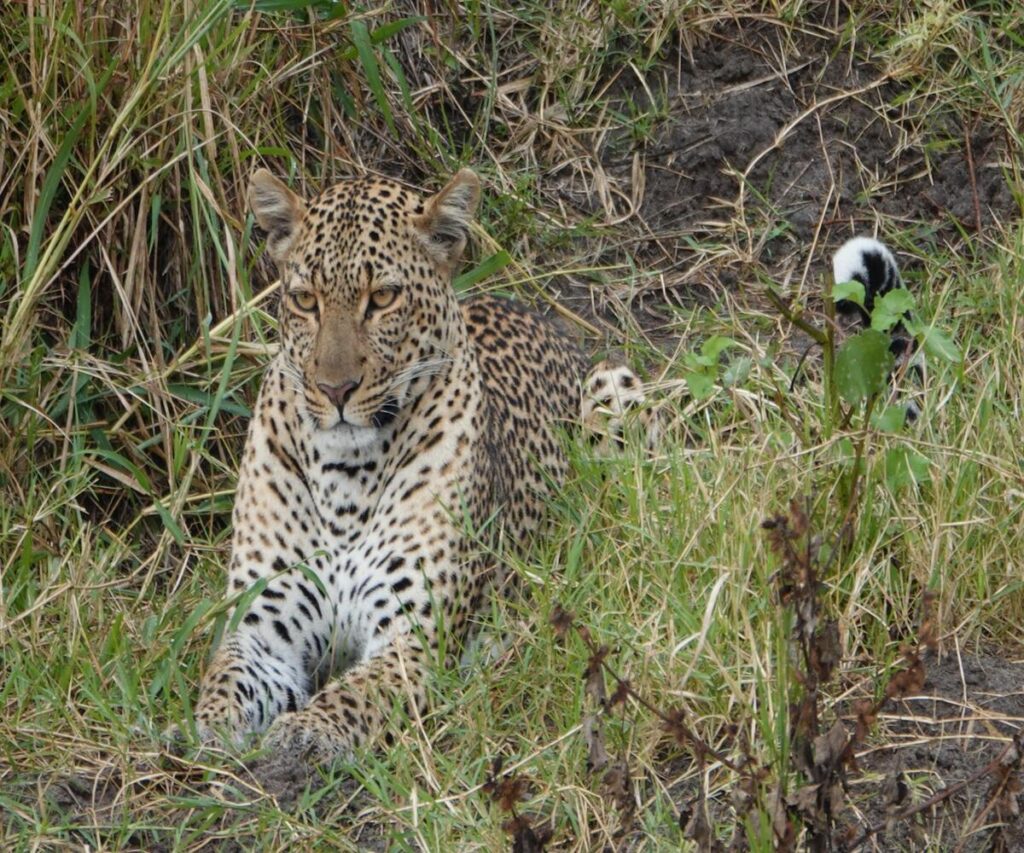
- The Big Five: Exceptional opportunities to track lion, leopard, elephant, and buffalo in the Seronera Valley.
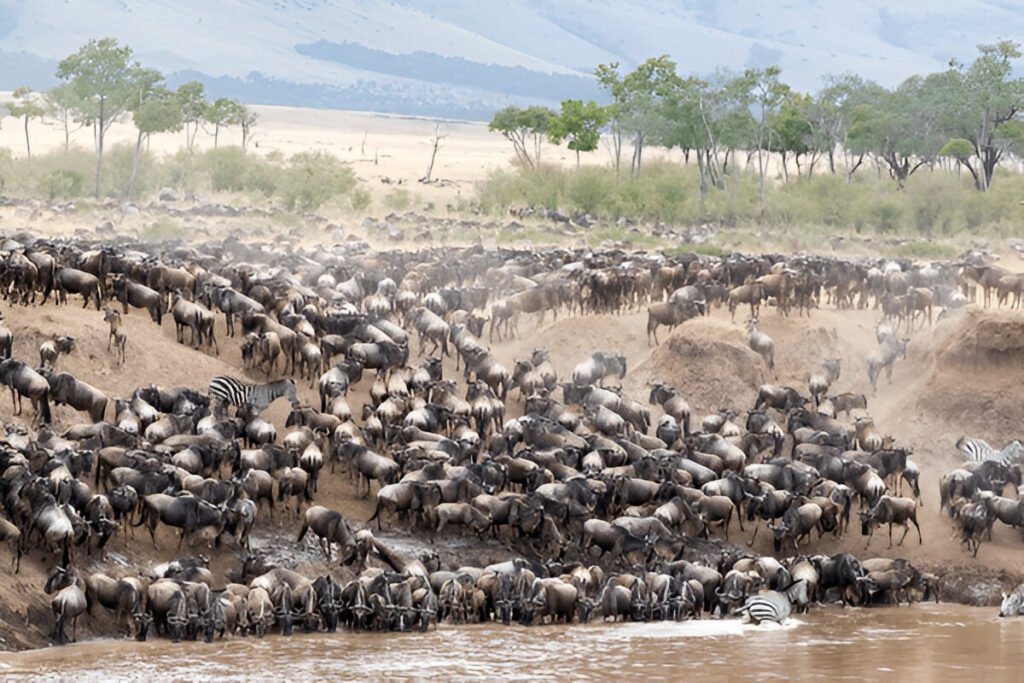
- The Great Migration: Seasonal access to the thundering herds of wildebeest and zebra (location varies by month).
- Bush Dining: Sensory-rich sundowners and starlit dinners accompanied by the distant roar of a lion.
- Expert Guiding: First-hand knowledge from local specialists who understand the subtle nuances of animal behavior.
SAFARI OVERVIEW
This 4-day premium fly-in safari is designed to provide an intimate, high-impact immersion into the Serengeti ecosystem. Starting from the lush, coffee-scented suburbs of Arusha, you will take a scenic flight over the Great Rift Valley, landing directly on the golden plains.
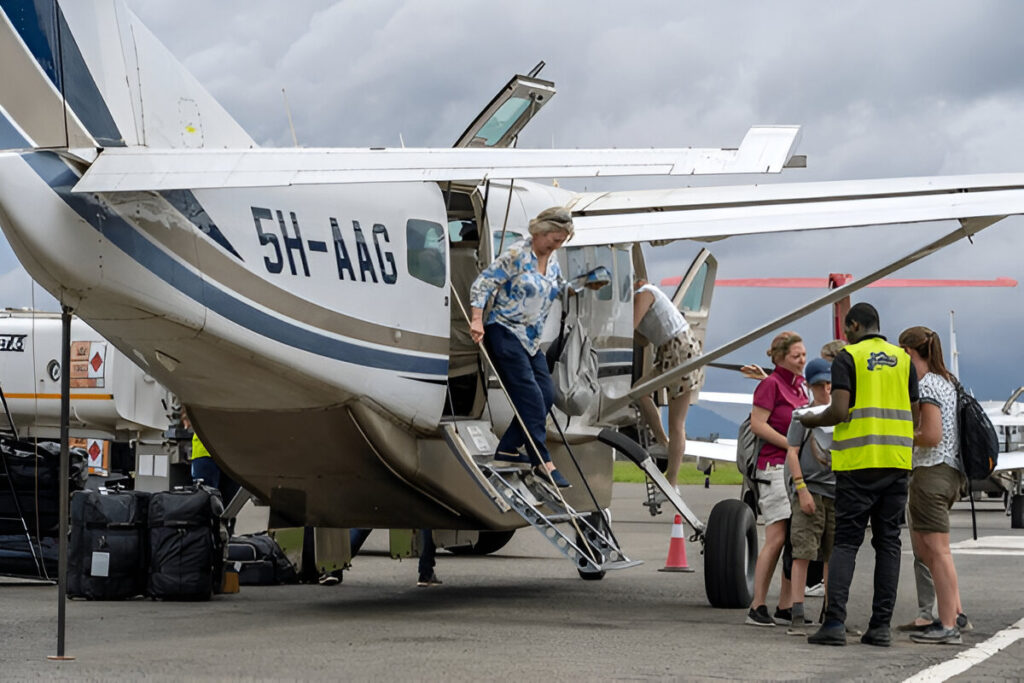
From our years of organizing safaris, we’ve found that the "Fly-In" model is the best Serengeti safari option for those seeking an exclusive, peaceful, and efficient journey. This travel style eliminates eight hours of driving, replacing it with a 50-minute aerial tour of Tanzania’s stunning topography.
Overview of the Day: Your journey begins at Arusha Airport, where you’ll board a light aircraft. Within minutes, the urban landscape fades, replaced by the emerald craters of the highlands. You’ll land at a Serengeti airstrip (usually Seronera), where your private 4x4 vehicle and expert guide await.
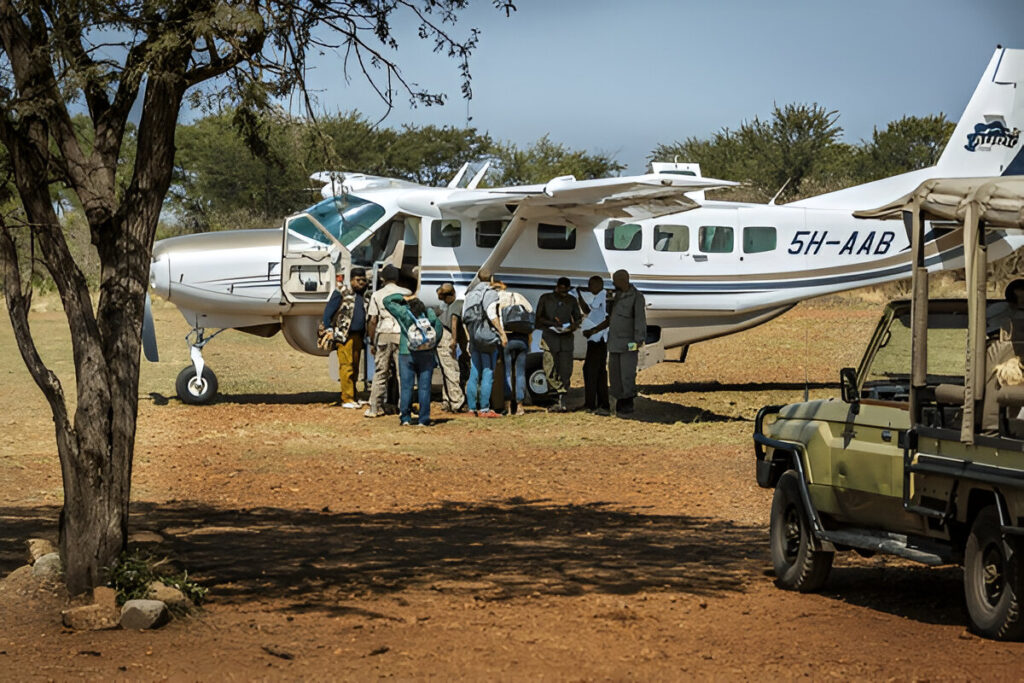
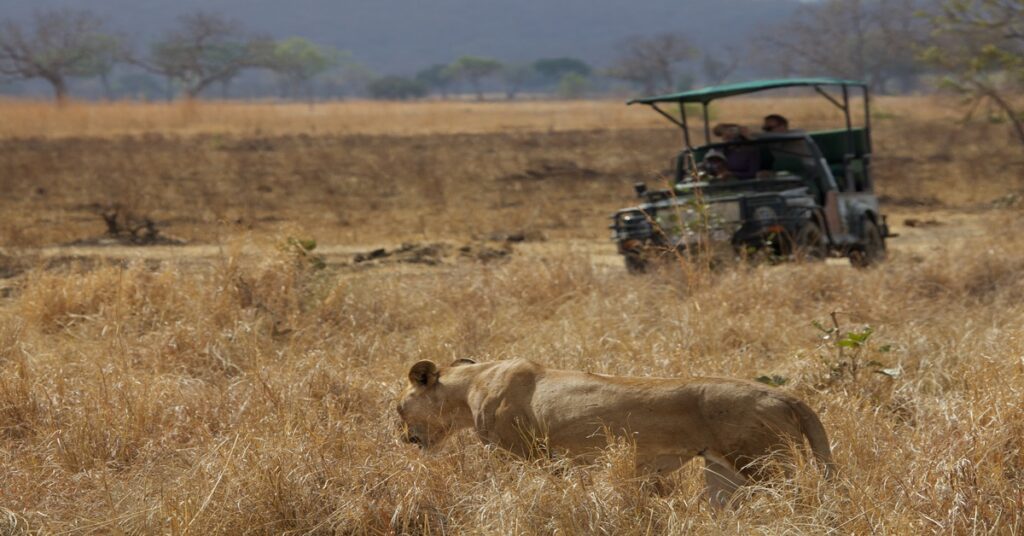
Safari Experience: Stepping off the plane, the first thing you’ll notice is the smell—the sweet, dry scent of sun-warmed grass and wild sage. The heat is dry and pleasant, often tempered by a soft breeze. On the drive to camp, you’ll likely spot your first Thompson’s gazelles and perhaps a lazy pride of lions on a granite kopje.
In the late afternoon, we head out for your first game drive. The light in the Serengeti is legendary; as the sun dips, the sky turns a bruised purple and fiery orange, casting long, dramatic shadows over the whistling thorn acacias. You’ll feel a surge of pure joy as you realize you are finally in the "Endless Plains."
Distance & Travel Time: Flight: 50 minutes. Afternoon game drive: Approx. 40 km.
What to Expect:
- Game Drive: Gentle afternoon introduction to the local prides.
- Wildlife: Large herds of elephants, hippos in the pools, and curious giraffes.
- Terrain: Smooth aerial transition followed by sandy bush tracks.
- Accommodation: Luxury tented camp with hot showers and gourmet dining.
Overview of the Day: Today is about deep immersion. We wake before the sun, sipping a cup of hot Tanzanian coffee while the camp is still bathed in the cool, indigo light of dawn. This is the most active time for predators.
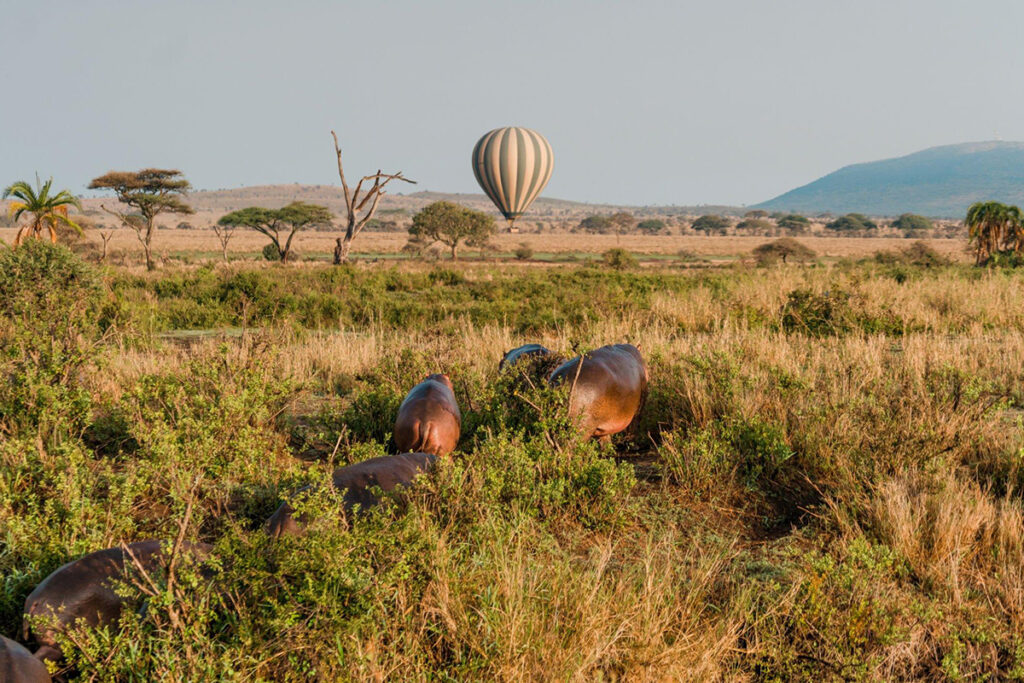
Safari Experience: As we head out, the air is crisp, and you might feel the need for a light fleece. You’ll hear the morning chorus of tropical boubous and the distant, rhythmic "whoop" of a spotted hyena. We track the Seronera River, a magnet for leopards who draped themselves over the branches of sausage trees.
The emotional experience today is one of awe. Seeing a cheetah accelerate across the plains or watching a family of elephants protect their young creates a profound connection to the natural world. For lunch, we set up a private "bush picnic" under a lone tree. The taste of fresh, locally sourced salads and chilled wine in the middle of nowhere is a luxury that few words can describe.
Distance & Travel Time: Flexible; usually 80–120 km depending on wildlife movement.
What to Expect:
- Game Drive: Full day (8–10 hours) or split morning/afternoon drives.
- Wildlife: High chances of seeing the "Big Three" cats (Lion, Leopard, Cheetah).
- Roads: Natural, unpaved tracks; can be dusty in the dry season.
- Comfort: High-spec safari vehicle with pop-up roof and fridge.
Overview of the Day: Depending on the time of year, we may head toward the northern Mara River (July–October) or the southern Ndutu plains (December–March) to catch the Great Migration.
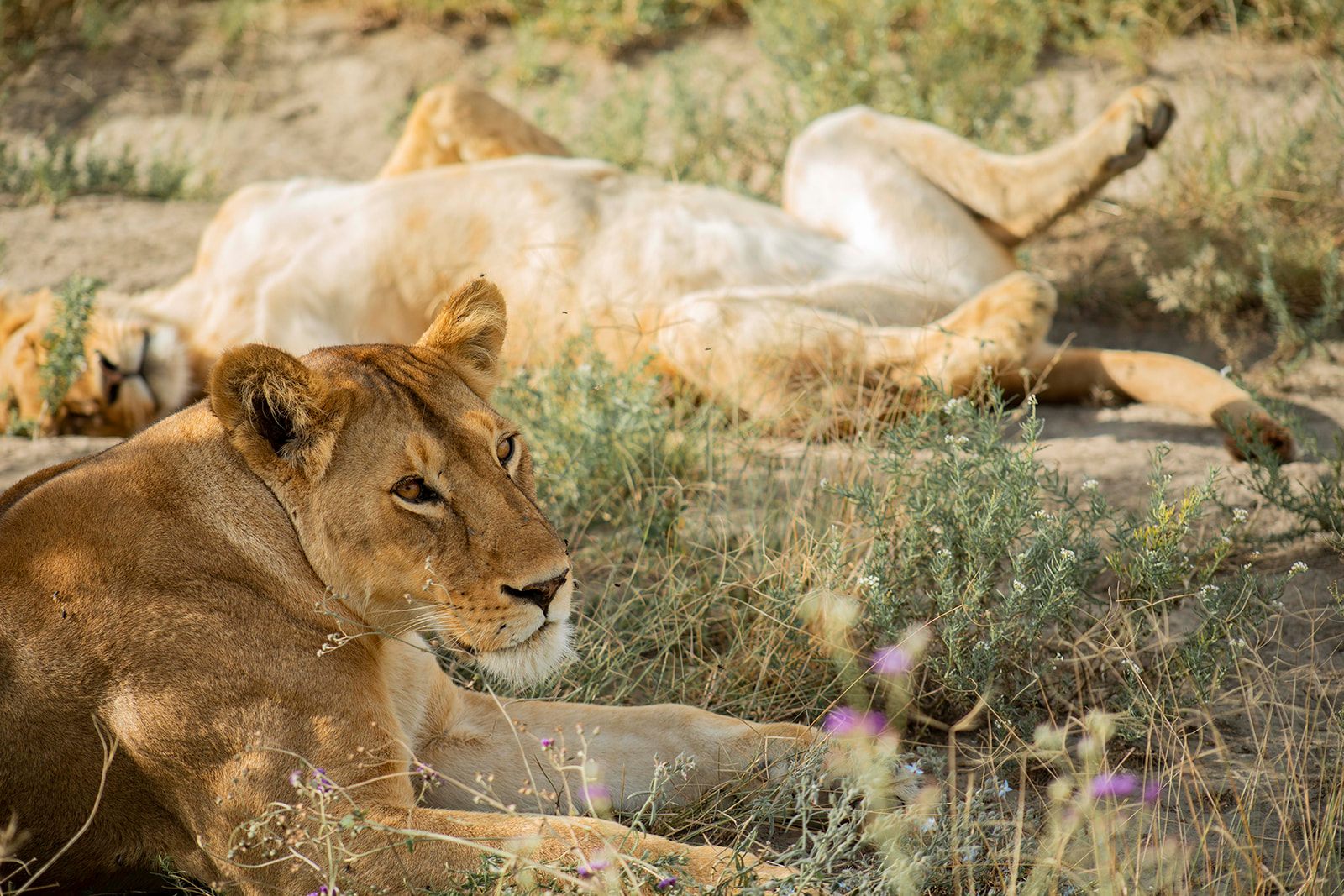
Safari Experience: If you are here for the migration, the experience is intense. You’ll see—and hear—thousands of wildebeest. The sound is a constant, low-frequency hum of life. The smell is more "earthy" here, a mix of dust and the raw energy of the herd.
Even if the migration is further away, the Central Serengeti remains the world's predator capital. You might spend the afternoon watching a pride of lions interacting, their golden fur glowing in the 4 PM light. As evening approaches, we find a scenic spot for "sundowners." Feeling the cold glass of a gin and tonic in your hand while watching the sun disappear behind the horizon is the ultimate moment of peace and relaxation.
Distance & Travel Time: Approx. 100 km; 6–8 hours of game viewing.
What to Expect:
- Game Drive: Focused on specific behaviors (hunting, nursing, or migrating).
- Wildlife: Immense herds, Nile crocodiles (if at the river), and scavengers like vultures and jackals.
- Conditions: Can be a bit more rugged depending on the "off-road" permissions in specific areas.
- Accommodation: Continued stay at your luxury base camp.
Overview of the Day: Your final morning is a bittersweet farewell. We enjoy one last "sunrise game drive" on the way back to the airstrip.

Safari Experience: The Serengeti often saves the best for last. In the early morning light, the dew on the grass sparkles like diamonds. You’ll feel a sense of happiness and accomplishment, having witnessed the raw cycle of life. After a final bush breakfast, your guide drops you at the airstrip. As the plane lifts off, you’ll look down at the winding rivers and vast plains, realizing that you’ve truly experienced the best Serengeti safari possible.
Distance & Travel Time: 30 km game drive to airstrip; 50-minute flight to Arusha.
What to Expect:
- Activity: Short morning game drive and airport transfer.
- Wildlife: Final sightings of zebras, baboons, and raptors.
- Return: Arrival in Arusha by mid-day, in time for international flight connections.
FAQ
In our experience, “safari roads” are part of the adventure. While main highways are paved, the parks consist of dirt and gravel tracks. We use specially modified 4×4 Land Cruisers with pop-up roofs and heavy-duty suspension to ensure your comfort, but do expect a bit of an “African Massage!”
Absolutely. Our recommended luxury tented camps are secure, with 24-hour Maasai guards (askari). Sleeping behind canvas is the ultimate way to connect with nature—there is nothing quite like the safety and happiness of being tucked into a high-thread-count bed while hearing a lion roar in the distance.
Layers are key. The Ngorongoro highlands can be quite cold (around 10°C) in the mornings, while the Serengeti can be hot (30°C) by noon. We recommend neutral-colored clothing (khaki, tan, olive), a warm fleece, a hat, and high-quality binoculars.
Tanzania is a vast country. While we have designed this itinerary to minimize long drives, expect to spend 4–6 hours in the vehicle on travel days. We break this up with game viewing, picnic stops, and cultural visits to keep the pace engaging.
In our experience, flying is about quality over quantity. Instead of spending 8 hours in a vehicle on bumpy roads between Arusha and the Serengeti, you spend that time watching wildlife. It is more expensive, but the comfort and time-saving are unmatched.
This specific 4-day itinerary focuses exclusively on the Serengeti. However, you will fly directly over the Ngorongoro Conservation Area, providing a spectacular view of the crater. If the Crater is a “must-see,” we can easily add a one-day extension.
Yes. You are in the hands of professional guides from the moment you land until you depart. The camps are secure, and the environment is managed with the highest safety standards.
The migration is a year-round cycle. Generally, stay in the South (Ndutu) for calving in Feb/March, Central for transition in May/June, and North (Mara River) for crossings in July/August. Based on local conditions, we always advise you on which camp location to book to ensure you are in the heart of the action.