5nights plus 2 nights in hotel
-
Transfer from Airport to Hotel then to Machame Gate , Depend on Group Size
-
Mid Range Hotels and Camps
-
Arusha
-
July , August , September, December; January , Februaty
-
Kilimanjaro Climbing
-
All meals
-
English, Spanish, French, Chinese
-
2-15
-
12
-
65
Visit
TARANGIRE NATIONAL PARK & NGORONGORO CRATER
Overview
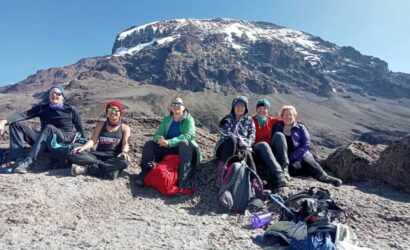
The 8 Days Shira Route is one of the most scenic ways to climb Mount Kilimanjaro, offering spectacular landscapes, quieter trails, and improved acclimatization compared to shorter itineraries. Beginning on the western side of the mountain, the route crosses the famous Shira Plateau before joining the southern circuit toward Uhuru Peak.
The extra acclimatization day makes the 8-day itinerary a better option for climbers seeking a more comfortable pace and higher summit success.
Highlights
- Higher Summit Success Rate: The extra day at Horombo Hut for acclimatization significantly improves your chances of reaching the summit compared to the 5-day route.
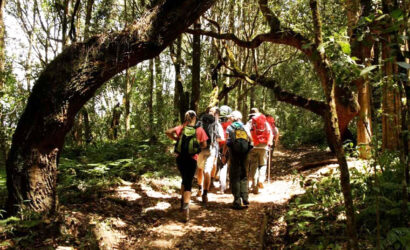
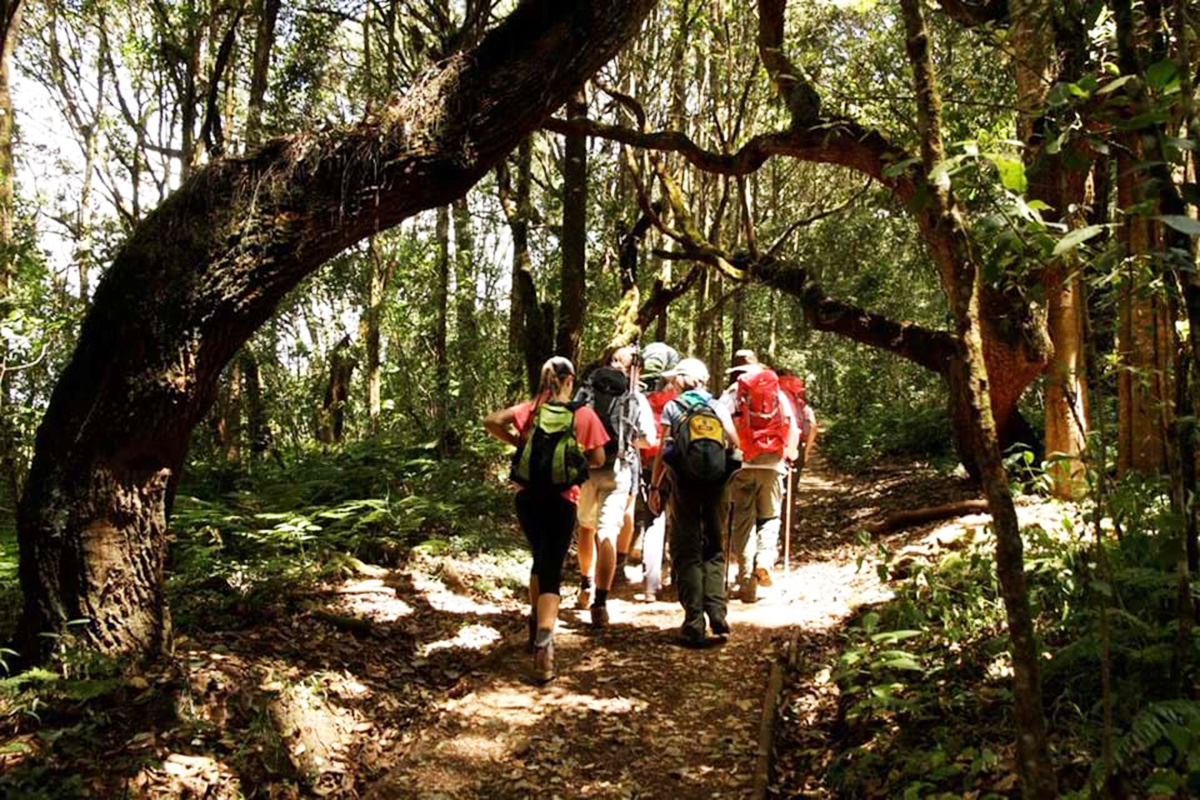
- Diverse Habitats: The trek takes you through four distinct climate zones, starting in the lush Montane Forest, transitioning to the open Heathland and Alpine Desert, and culminating in the Arctic Summit zone. This rapid change in scenery provides a varied and memorable experience.
- Gradual Slope: The path is well-defined with a more gentle incline, making the initial days of the climb less strenuous.
- Scenic Diversity: The route takes you through multiple climate zones, from lush rainforest to the arctic summit.
- Climb High, Sleep Low" Acclimatization: The optional hike on Day 4 helps your body adjust to the altitude, a proven strategy for preventing altitude sickness.
8 Days Shira Route Overview
- Route: Shira Route
- Duration: 8 Days / 7 Nights
- Difficulty: Moderate to Challenging
- Starting Point: Shira Gate
- Ending Point: Mweka Gate
- Best For: Scenic trekking and better acclimatization
- Summit: Uhuru Peak (5,895m)
Drive from Arusha or Moshi to Shira Gate where the trek begins across high-altitude moorland terrain.
Highlights
- Western Kilimanjaro scenery
- High-altitude landscapes
- Wide panoramic views
Trek Details
- Elevation: 3,500m to 3,610m
- Hiking Time: 3–4 hours
Overnight
Simba Camp
A gradual ascent across rolling moorland with incredible views of Kibo Peak.
Highlights
- Heath vegetation
- Open mountain scenery
- Acclimatization pace
Trek Details
- Elevation: 3,610m to 3,500m
- Hiking Time: 4–5 hours
Overnight
Shira 1 Camp
Cross the famous Shira Plateau while slowly gaining altitude.
Highlights
- Shira Plateau
- Giant groundsels
- Panoramic mountain views
Trek Details
- Elevation: 3,500m to 3,850m
- Hiking Time: 4–5 hours
Overnight
Shira 2 Camp
An important acclimatization day leading to the quieter Moir Hut area.
Highlights
- Lent Hills optional hike
- Remote camping experience
- Excellent acclimatization
Trek Details
- Elevation: 3,850m to 4,200m
- Hiking Time: 5–6 hours
Overnight
Moir Hut
The route continues through alpine desert terrain before descending into Barranco Valley.
Highlights
- Lava Tower
- “Climb high, sleep low” acclimatization
- Barranco Valley scenery
Trek Details
- Elevation: 4,200m to 4,630m then descend to 3,960m
- Hiking Time: 6–7 hours
Overnight
Barranco Camp
Climb the famous Barranco Wall before continuing toward Barafu Camp for summit preparation.
Highlights
- Barranco Wall
- Southern glacier views
- Alpine desert landscapes
Trek Details
- Elevation: 3,960m to 4,640m
- Hiking Time: 7–8 hours
Overnight
Barafu Camp
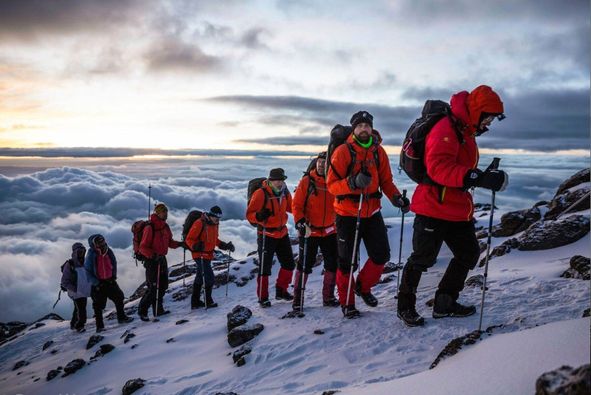
The summit attempt begins around midnight with a challenging climb to Uhuru Peak.
Highlights
- Stella Point
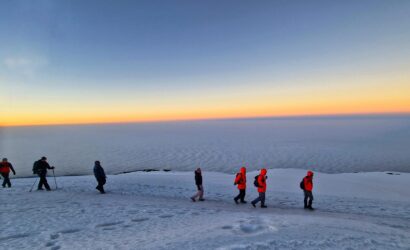
- Sunrise at the summit
- Africa’s highest point
Trek Details
- Elevation: 4,640m to 5,895m then descend to 3,100m
- Hiking Time: 10–14 hours
Overnight
Mweka Camp
Descend through rainforest before receiving summit certificates and returning to your hotel.
Highlights
- Rainforest scenery
- Celebration with guides and porters
- Transfer back to town
Trek Details
- Elevation: 3,100m to 1,640m
- Hiking Time: 3–4 hours
Cost
The Cost Includes
- Kilimanjaro trekking according to the itinerary
- Professional, English-speaking guide
- Mountain crew (cook & porters)
- Overnight stays in mountain huts
- Meals according to the itinerary
- Drinking water, tea & coffee
- All national park fees
- Transfer from the hotel to the National park gate and back
The Cost Excludes
- International Flights
- Optional activities
- Alcoholic and soft drinks
- Visa fees
- Tips
- Personal spending money for souvenirs etc.
- Travel insurance
- Tipping suggestion $10 a day per vehicle. The tip should be handed to the driver/guide at the end of the
- trip
FAQs
The success rate for the Machame Route is one of its most attractive features. The 7-day itinerary has an average summit success rate of 85-90%, while the shorter 6-day version has a rate of around 70-75%. The longer itinerary is highly recommended because it provides better acclimatization, significantly increasing your chances of reaching the peak.
The Machame Route is considered a moderately difficult trek. It is more challenging than the Marangu Route due to steeper sections, longer daily hikes, and a camping-based itinerary. However, it’s very manageable for individuals with good physical fitness and no prior high-altitude experience. Key challenges include:
Steep sections on days 2 and 3.
The Barranco Wall, a non-technical but steep rock face that requires a bit of scrambling.
The long and challenging summit day, which can take 12-15 hours.
The “climb high, sleep low” principle is a fundamental strategy for altitude acclimatization. It involves hiking to a higher elevation during the day and then descending to a lower camp to sleep. The Machame Route is an excellent example of this. On Day 3, you hike up to Lava Tower (4,630m / 15,190ft) before descending to Barranco Camp (3,900m / 12,800ft) for the night. This allows your body to start adapting to the high altitude without the added stress of sleeping there, which is a major factor in the route’s high success rate.
The Machame Route is often contrasted with the Marangu Route, and they have several key differences:
Accommodation: Machame is a camping route where you sleep in tents every night. Marangu is the only route with communal huts.
Success Rate: Machame (especially the 7-day version) has a much higher summit success rate due to its superior acclimatization profile.
Scenery: Machame is a more scenic route that traverses the mountain in a non-linear path, offering diverse landscapes and views. Marangu follows the same trail for both the ascent and descent, which can feel repetitive.
Difficulty: Machame is considered more physically demanding than Marangu due to its steeper sections and longer hiking days.
The main difference is the addition of an extra acclimatization day. In the 6-day itinerary, you spend an extra night at Horombo Hut (Day 3), allowing your body more time to adjust to the altitude. This extra day significantly improves your chances of a successful summit, often raising the success rate by 10-15% or more.