Nestled in the heart of Tanzania, Ngorongoro Crater is one of the most unique and awe-inspiring natural wonders in the world. Often referred to as the “Garden of Eden,” the Ngorongoro Crater is a UNESCO World Heritage Site and one of Africa’s premier wildlife destinations.
This ancient caldera, formed millions of years ago after a massive volcanic eruption, is a vast, bowl-shaped depression that stretches over 260 square kilometers and reaches depths of 600 meters.
What makes the Ngorongoro Crater so extraordinary is its biodiversity, as well as the fact that it serves as a natural sanctuary for a wide range of animal species that reside within its rim.
The Crater’s lush landscape, abundant wildlife, and geological significance make it a must-see destination for anyone visiting East Africa.
Like many African destinations, the timing of your visit to Ngorongoro Crater can influence your experience. However, Ngorongoro offers something remarkable year-round, with a mild climate and consistently good wildlife viewing.
Dry Season (June to October): The dry season is considered the best time to visit Ngorongoro Crater for game viewing. During these months, the grass is shorter, and animals tend to congregate around the waterholes and the Crater floor’s lush vegetation. The weather is generally sunny with cooler evenings, and the area experiences little to no rain. This season coincides with the migration of wildebeest and zebras, making it an excellent time to witness these animals in the Crater, along with the big predators who track their movements.
Green Season (November to May): The rainy season brings an entirely different experience to the Crater. While some areas may be muddy, the landscape becomes lush and vibrant, attracting even more wildlife. During this period, the Crater is less crowded, offering a more peaceful safari experience. Additionally, baby animals are often born around this time, and birdwatching is excellent, as migratory birds flock to the Crater’s grasslands. While roads may be more challenging due to rains, this is a great time to explore the Crater with fewer tourists around.
The Ngorongoro Crater is a haven for wildlife, offering a remarkable opportunity to see a wide variety of African animals in one location. Despite being relatively small in size compared to other safari destinations, it is home to one of the highest concentrations of wildlife in Africa.
The Big Five: Ngorongoro is home to a thriving population of the Big Five – lion, leopard, buffalo, elephant, and rhinoceros. One of the most remarkable aspects of Ngorongoro is the presence of the endangered black rhino, which can be seen grazing on the Crater floor. The lions in the Crater are often observed lounging or hunting, while elephants and buffaloes can be seen in herds moving through the lush grasslands.
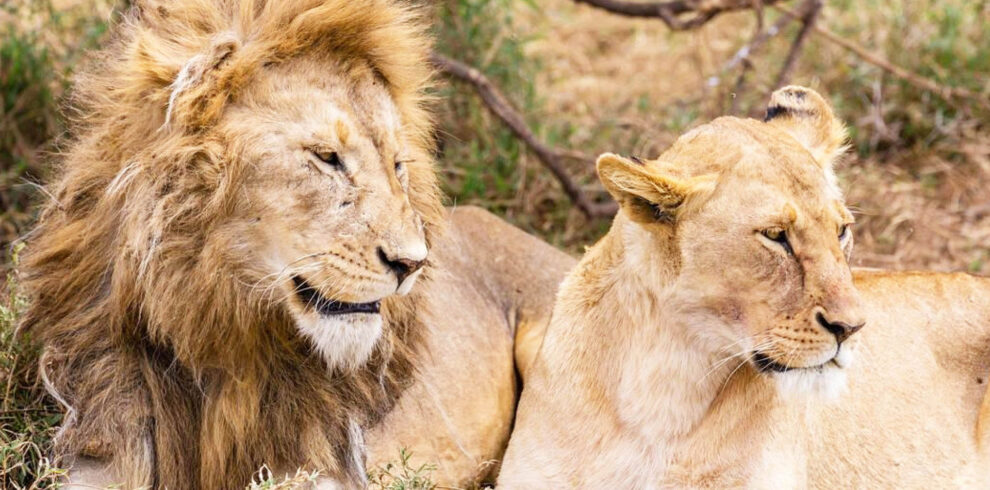
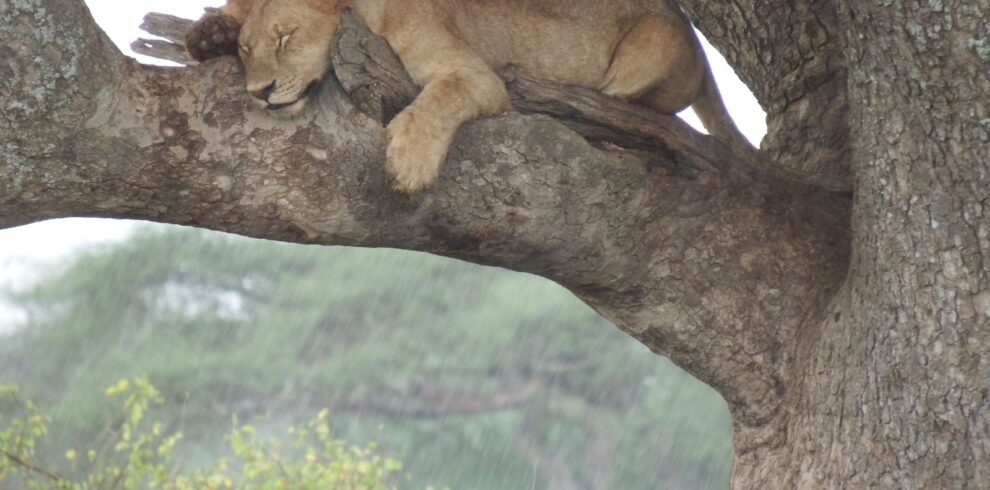
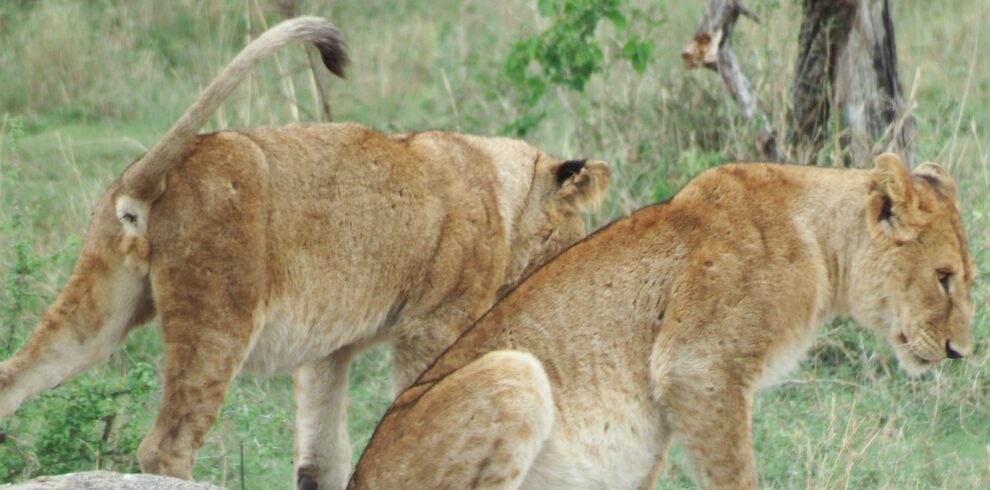
Lions: Ngorongoro Crater’s lions are famous for their high density. They can be found resting in the tall grasses or stalking prey such as gazelles, zebras, and wildebeest. The Crater’s relatively small size means that the lions tend to have their territories close to each other, making it a great place to witness their interactions and behaviors.
Elephants: Ngorongoro Crater has a healthy population of elephants, many of which are large, tusked males. These gentle giants roam the Crater’s floor in search of food, often seen foraging for grasses or bathing in the freshwater lakes. Their movements are a majestic sight in the Crater’s serene environment.
Cheetahs: Though not as abundant as lions or elephants, cheetahs can be spotted in the Crater, especially during the early morning or late afternoon. With its open spaces, the Crater provides an excellent environment for cheetahs to hunt their prey. They are often seen sprinting across the plains in pursuit of gazelles.
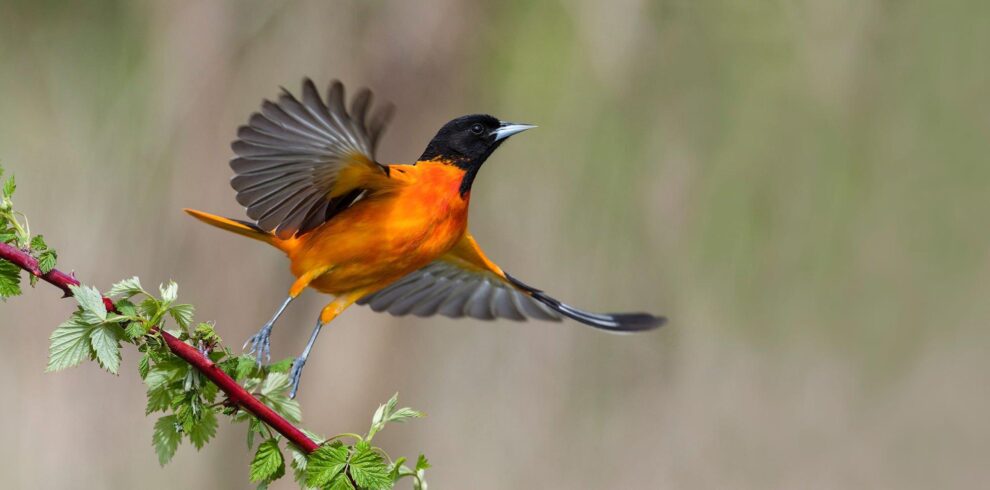
Birdlife: Ngorongoro Crater is also a paradise for birdwatchers, with over 500 bird species recorded in the area. Migratory birds arrive in the wet season, and the Crater’s diverse habitats, from wetlands to grasslands, provide a rich environment for both native and transient species. Flamingos are often found in the Crater’s alkaline lakes, while raptors such as vultures and eagles are common in the skies above.
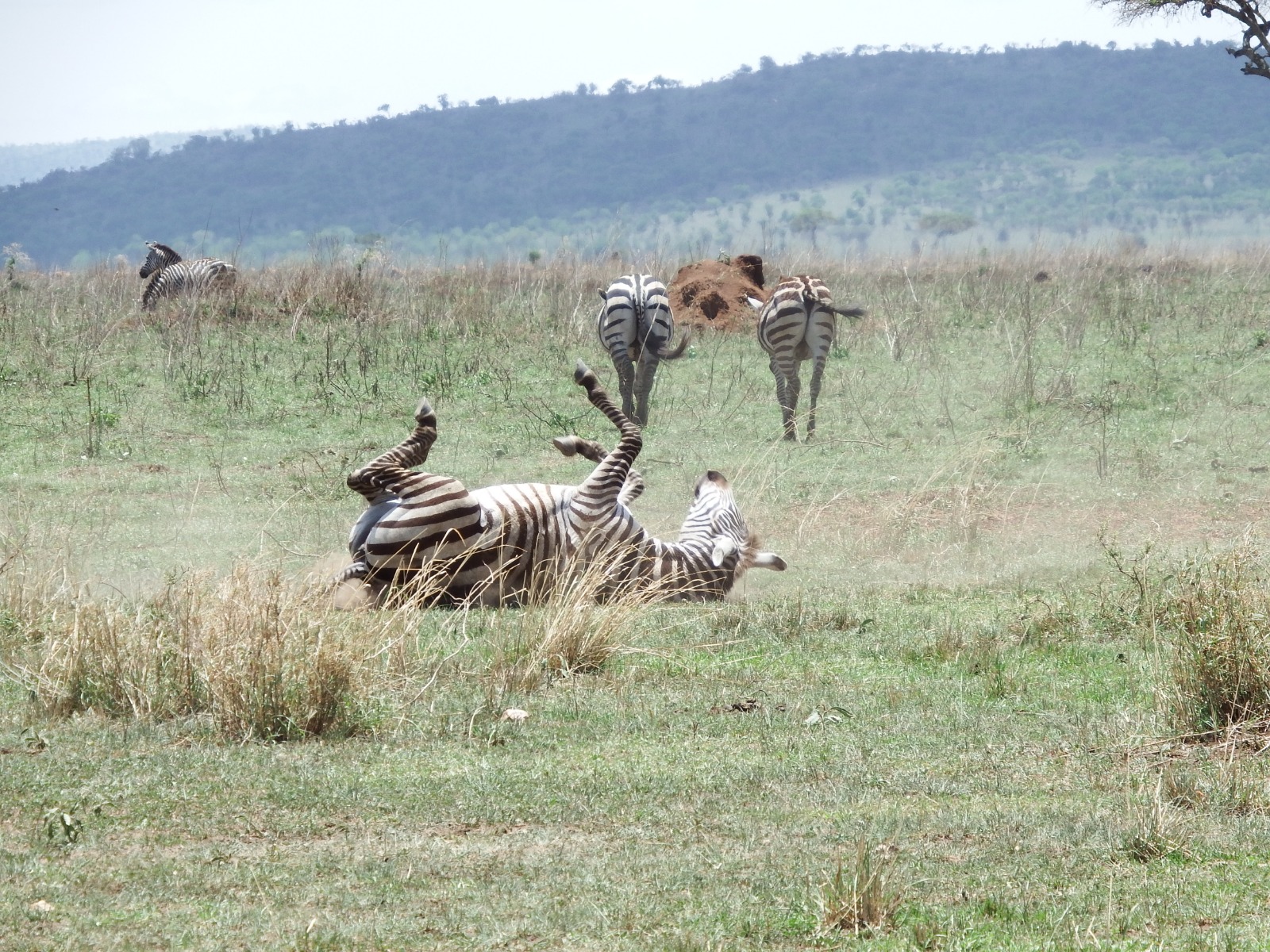
Wildebeest and Zebras: Ngorongoro Crater hosts large populations of wildebeest and zebras, which are often seen grazing together in herds. These species are an important part of the ecosystem and attract predators like lions and hyenas.
Ngorongoro Crater offers a range of exciting activities that allow visitors to experience its natural beauty and wildlife. Whether you’re looking for an adventure, a cultural experience, or simply a relaxing day in the wild, there is something for everyone at Ngorongoro.
Game Drives: The most popular activity in the Crater, game drives give you the chance to explore the Crater floor and see an extraordinary variety of animals. You can embark on half-day or full-day drives, with a skilled guide who will help spot wildlife and provide fascinating insights into the region’s ecology. The Crater is relatively small compared to other safari areas, so a game drive here often offers close encounters with wildlife.
Ngorongoro Crater Rim Walks: For those looking to experience the landscape from a different perspective, walking tours along the rim of the Crater are an excellent choice. Accompanied by a local guide, you’ll be able to take in panoramic views of the Crater and surrounding landscapes. These walks provide an opportunity to learn about the area’s geology, flora, and wildlife from a knowledgeable expert.
Maasai Cultural Visits: Ngorongoro is home to the Maasai people, who have lived in the area for centuries, coexisting with the wildlife and natural environment. Visitors can learn about Maasai culture, including their traditional customs, dances, and lifestyle, by visiting local villages. These cultural visits provide an authentic, enriching experience and insight into the Maasai’s deep connection with the land.
Bird Watching: For bird enthusiasts, Ngorongoro Crater is a paradise. The mix of ecosystems within the Crater supports an impressive variety of bird species, making it an excellent destination for birdwatching. Bring your binoculars and camera to capture the vibrant and diverse avian life in the area.
Crater Floor Picnic: One of the most unique experiences in the Crater is enjoying a picnic on the floor of the caldera. With the Crater’s abundant wildlife surrounding you, this activity offers a truly surreal experience. You can relax, enjoy the beautiful landscape, and listen to the sounds of the wilderness.
Photography Safaris: The dramatic scenery, coupled with abundant wildlife, makes Ngorongoro Crater a photographer’s dream. Whether you’re capturing the rising sun over the Crater, lions hunting in the tall grass, or elephants grazing near a watering hole, there are endless opportunities to snap breathtaking photos. Many safari operators offer specialized photography tours, where you can learn tips and techniques to get the best shots.
Tanzania Safari Haven.

Our strict screening process means you’re only seeing the best quality treks.
Our Best Price Guarantee means that you can be sure of booking at the best rate.
Our customer are standing by 24/7 to make your experience incredible.
Our team of experienced travel consultants helps to enhance your trip.
We tailor each itinerary to fit your preferences, ensuring that aligns with your travel goals.
We handle everything—from flights and accommodation to guided tours.

Your Dream Trip.
Find answers to your questions before joining a tour so that you can find out exactly what you want to know. If you have more question please feel free to reach us via contact form.
It is the world’s largest inactive, intact, and unfilled volcanic caldera. This natural amphitheater creates a unique ecosystem where approximately 25,000 large animals live year-round, offering some of the densest wildlife viewing on the planet.
Yes. The Ngorongoro Crater is one of the best places in Tanzania to see the Big Five in a single day. It is particularly famous for its population of critically endangered Black Rhinos, which are much harder to spot in the Serengeti.
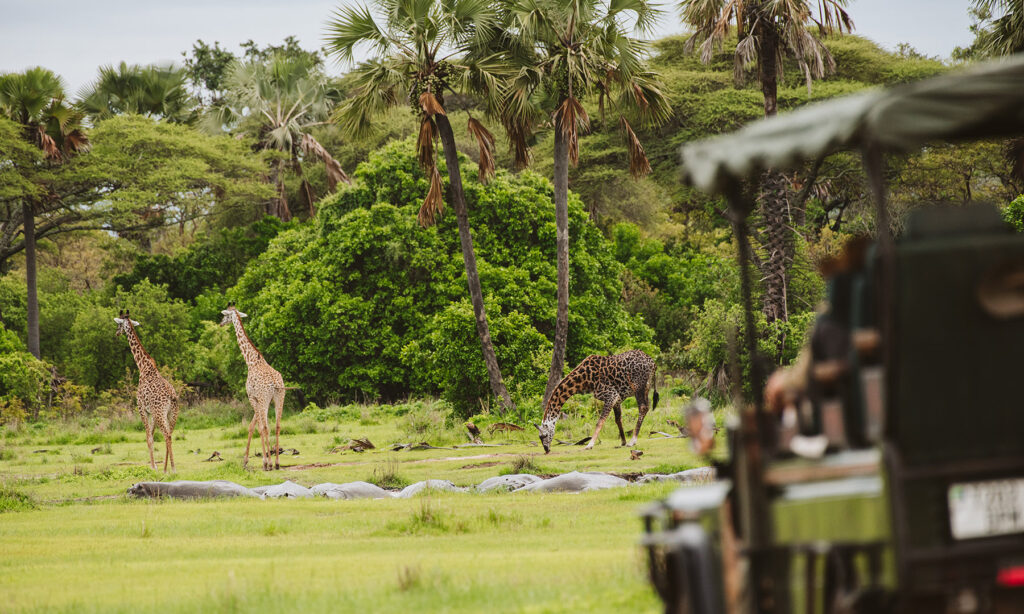
You will notice a lack of giraffes on the crater floor. This is because the walls of the crater are too steep for them to descend safely, and the floor lacks the tall acacia trees that make up their primary diet. You can, however, find them in the wider Conservation Area.
The drive from Arusha is approximately 190 km (118 miles) and takes about 3.5 to 4 hours on well-maintained tarmac roads. Most safaris stop in the town of Karatu for a break before entering the conservation gate.
Because of its compact size (about 260 sq km), you can complete a very thorough game drive in one full day. Most visitors spend 5–6 hours on the crater floor, which is plenty of time to see the majority of the resident wildlife.
The crater floor is warm, but the crater rim sits at an altitude of about 2,300 meters (7,500 feet). It can get very cold and foggy at night and in the early mornings. If you are staying at a lodge on the rim, definitely pack a warm jacket and fleece.
June to October (Dry Season): Best for wildlife viewing as the grass is short and animals gather near water.
April to May (Green Season): The landscape is lush and emerald green, there are fewer tourists, and the birdwatching is spectacular.

Ut enim ad minim veniam, quis nostrud exercitation ullamco laboris nisi ut aliquip ex ea commodo consequat. Duis aute irure dolor in reprehenderit in