Mastering the Lemosho Route
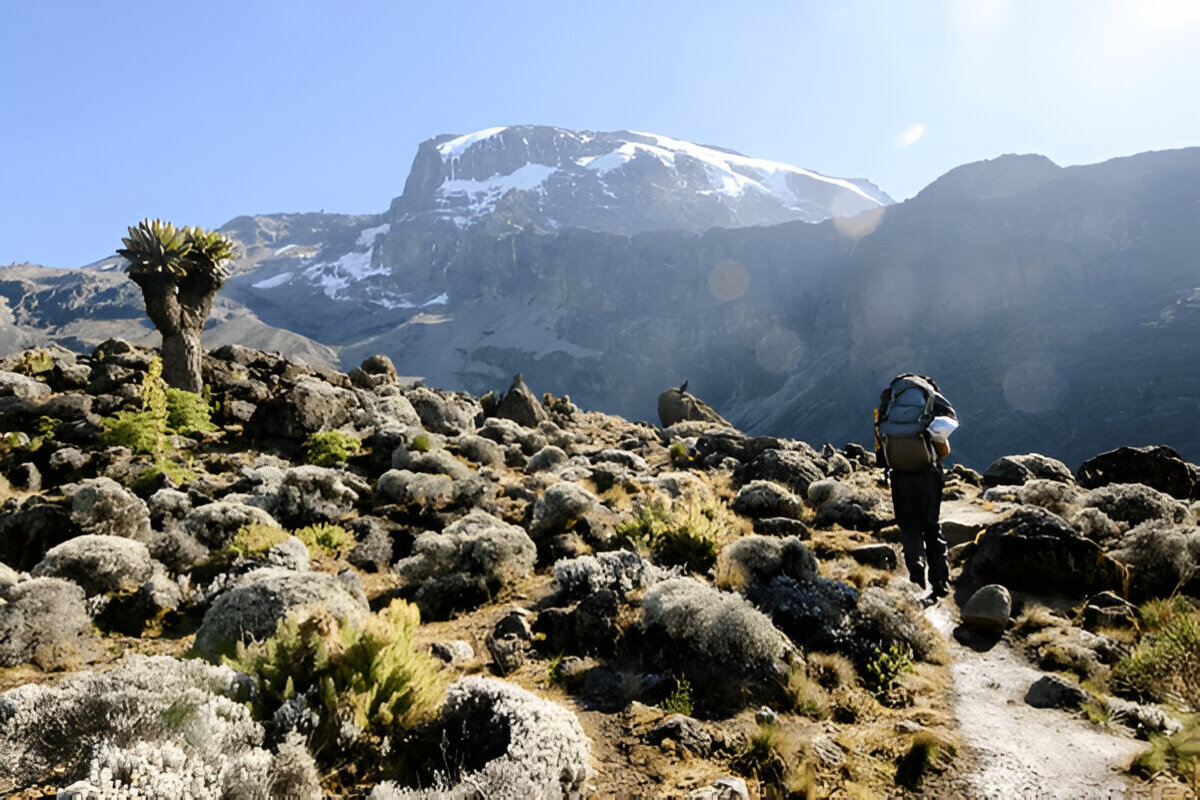
The Lemosho Route is widely regarded as the most beautiful and well-balanced path up Mount Kilimanjaro. Starting from the remote, forested western slopes, it combines stunning scenery, low crowds in its early stages, and one of the best acclimatization profiles on the mountain — which is why it consistently delivers some of the highest summit success rates.
If you want a premium, scenic, and high-success expedition and can commit to a longer itinerary, the Lemosho Route is an outstanding choice and a favourite among serious trekkers.
Why Choose the Lemosho Route?
Lemosho stands apart from Kilimanjaro’s other trails for several reasons:
- Scenic Western Approach: Begins in lush, remote rainforest on the quiet western side, far from the busier southern trailheads.
- Excellent Acclimatization: The longer 7–8 day profile follows the "climb high, sleep low" principle and joins the scenic southern circuit, giving your body more time to adjust.
- High Success Rate: Thanks to its length and gradual ascent, Lemosho boasts a 90%+ summit success rate.
- Best of Both Worlds: Quiet early days, then a merge with the Machame trail for the dramatic Barranco Wall and Shira Plateau views.
Lemosho Route vs Other Popular Routes
Choosing the right route is one of the most important decisions for your Kilimanjaro climb. Here’s how Lemosho compares with the main alternatives:
| Route | Difficulty | Duration | Success Rate | Highlights | Best For |
|---|---|---|---|---|---|
| Lemosho | Medium-Hard | 7–8 days | 90%+ | Most beautiful, remote start, Shira Plateau | Premium scenery & high success |
| Machame | Medium-Hard | 6–7 days | 85–95% | Scenic, great acclimatization, Barranco Wall | Scenery lovers, fit climbers |
| Marangu | Easy-Medium | 5–6 days | ~50–70% | Hut accommodation, gentle slope | Beginners, rainy season |
| Rongai | Medium | 6–7 days | ~80% | Northern side, drier, fewer crowds | Climbers seeking quiet route |
| Northern Circuit | Hard | 9 days | 95%+ | Longest, best acclimatization | Serious trekkers wanting highest success |
The Landscape: Five Ecological Zones
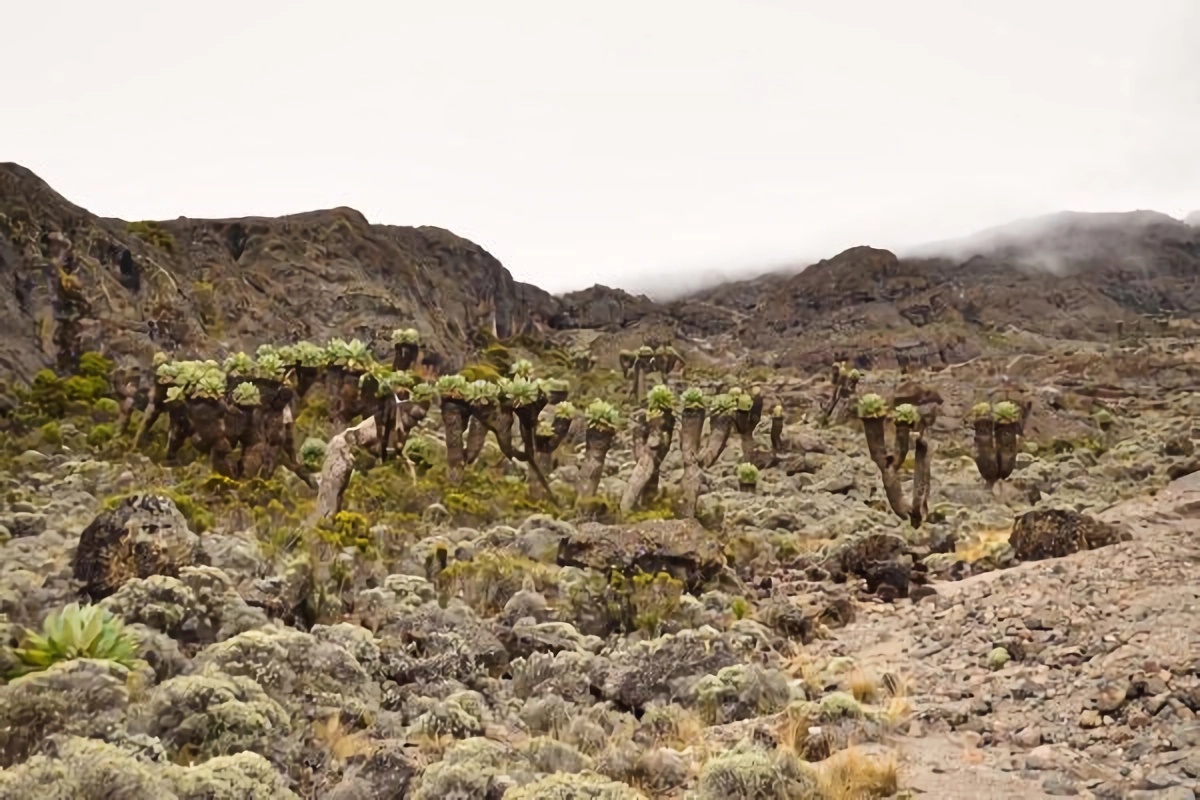
Lemosho showcases Kilimanjaro’s full range of biodiversity. You’ll pass through five distinct climate zones in just days — the equivalent of traveling from the equator to the Arctic.
| Climate Zone | Elevation | What to Expect |
|---|---|---|
| Cultivation Zone | 800m – 1,800m | Lush fertile foothills used for local farming |
| Montane Rain Forest | 1,800m – 2,800m | Dense canopy with mosses, ferns & Colobus monkeys |
| Low Alpine Moorland | 2,800m – 4,000m | Giant heathers and unique endemic plants like Senecio |
| High Alpine Desert | 4,000m – 5,000m | Barren volcanic landscape with dramatic temperature swings |
| Ice Cap / Glacial Zone | Above 5,000m | Arctic conditions with snow and the Southern Ice Field |
Iconic Landmarks Along the Trail
- Shira Plateau: One of the world’s largest high-altitude calderas, crossed early on the route with sweeping panoramic views.
- Lava Tower (4,630m): A dramatic 90-meter volcanic plug and a key "climb high, sleep low" acclimatization point.
- Barranco Wall: A steep but thrilling non-technical scramble (60–90 minutes) featuring the famous "Kissing Rock."
- Karanga & Barafu Camps: The scenic southern-circuit camps that lead to the final summit push toward Uhuru Peak.
Lemosho Route Map
Visual overview of the Lemosho Route, camps, and key landmarks.

Acclimatization Strategies for Success
Lemosho’s long, gradual profile is one of the best in the world for acclimatization — but altitude sickness can still affect anyone regardless of fitness. These proven strategies maximise your summit chances:
- Climb High, Sleep Low: The golden rule. On Lemosho you ascend to higher points like Lava Tower (4,630m) during the day, then descend to sleep lower, safely stimulating red blood cell production.
- Take the 8-Day Route: The extra day adds a crucial acclimatization buffer and pushes success rates even higher than the 7-day version.
- Hydration: Drink at least 3–4 liters of water per day. Dehydration worsens altitude sickness.
- Slow and Steady Pace: "Pole pole" (Swahili for slowly slowly) is the mantra. Walk at a pace that lets you speak full sentences.
- Diamox (Acetazolamide): Many climbers take this medication (starting 1–2 days before ascending) to aid acclimatization. Consult your doctor first.
- Listen to Your Body: Never push through severe headaches, nausea, or dizziness. Your guide monitors you and may recommend descending if needed.
- Avoid Alcohol & Smoking: Both impair your body’s ability to acclimatize.
- Proper Nutrition: Eat carbohydrate-rich foods and keep up regular light meals even when appetite drops at altitude.
This superb acclimatization profile is exactly why Lemosho climbers enjoy a 90%+ summit success rate.
Success Rates & Planning Note
7-Day Lemosho Success Rate: ~90%
8-Day Lemosho Success Rate: ~95%
Recommended Option: 8 Days (for the highest summit chance)
Note: Add 2 extra days for arrival, briefing, and departure — total trip duration is usually 9–11 days.
Frequently Asked Questions
1. How difficult is the Lemosho Route?
Moderately difficult to challenging. It includes the steep Barranco Wall scramble and long trekking days, but no technical climbing skills are needed. The longer itinerary actually makes summiting easier on your body.
2. Why is Lemosho considered the best route?
It combines the most beautiful scenery, a quiet remote start, excellent acclimatization, and one of the highest success rates on the mountain.
3. What is the best time to climb Lemosho?
July to September and January to March offer the driest weather and clearest views. Avoid April and May due to heavy rains.
4. What is the main downside of the Lemosho Route?
It is longer and therefore more expensive than shorter routes, and the remote western trailhead requires a longer drive to reach the start.
5. Is Lemosho crowded?
The first two to three days are very quiet. After joining the southern circuit near Shira/Lava Tower, you’ll share the trail with Machame climbers, so it gets busier toward the summit.
6. How much does climbing Lemosho cost?
A quality 7–8 day Lemosho package typically costs between $2,200 – $4,000 USD depending on the operator, duration, and group size.
7. What gear do I need to bring?
Proper layering, a warm sleeping bag, trekking poles, a waterproof jacket, and sturdy boots. Many items can be rented in Moshi or Arusha.
8. How cold does it get on the mountain?
Temperatures can drop to -10°C to -20°C (-14°F to -4°F) at higher camps and on summit night. Proper layering is critical.
9. What is the minimum age to climb Lemosho?
Most operators require a minimum age of 10–12 years, but we recommend 16+ for a better and safer experience on this route.
7-Day vs 8-Day Itineraries & Acclimatization
The Lemosho Route follows the "Climb High, Sleep Low" principle across a long, scenic traverse. Total distance: ~70 km (43 miles).
Adds an extra acclimatization night. The best possible adjustment to altitude and the highest success rate.
The standard Lemosho climb. Still excellent acclimatization and a very high success rate for most fit climbers.
Ready to Climb the Lemosho Route?
Start planning your scenic Lemosho Route adventure with our Tanzania specialists.
☎ 00255757502047
💬 Chat on WhatsAppMore Kilimanjaro Guides
Lemosho Route Tips
Key Facts
| Known For | Most Scenic Route |
| Total Distance | 70 km (43 mi) |
| Best Duration | 8 Days |
| Success Rate (8-Day) | ~95% |
| Start Point | Western Slopes |