5nights plus 2 nights in hotel
-
4x 4 Land cruiser
-
Mid Range Hotels and Camps
-
Arusha
-
July , August , September, December; January , Februaty
-
Kilimanjaro Climbing
-
All meals
-
English, Spanish, French, Chinese
-
2-15
-
12
-
65
Visit
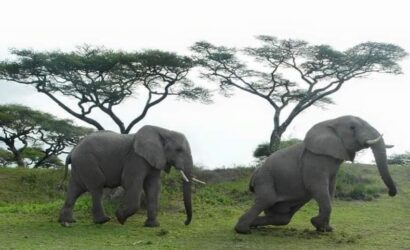
TARANGIRE NATIONAL PARK & NGORONGORO CRATER
Overview
The Machame Route on Mount Kilimanjaro is one of the most popular trekking routes for climbers seeking excellent scenery, strong acclimatization, and a rewarding summit experience. Starting from Arusha, this 7-day itinerary offers a balanced pace for reaching Uhuru Peak successfully.
Highlights
- Higher Summit Success Rate: The extra day at Horombo Hut for acclimatization significantly improves your chances of reaching the summit compared to the 5-day route.
- Hut Accommodation: You stay in communal huts instead of tents, providing more comfort and shelter from the elements.
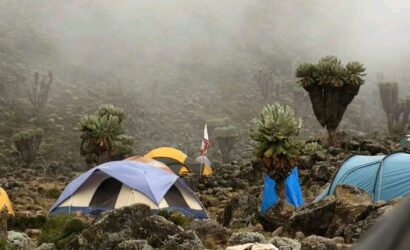
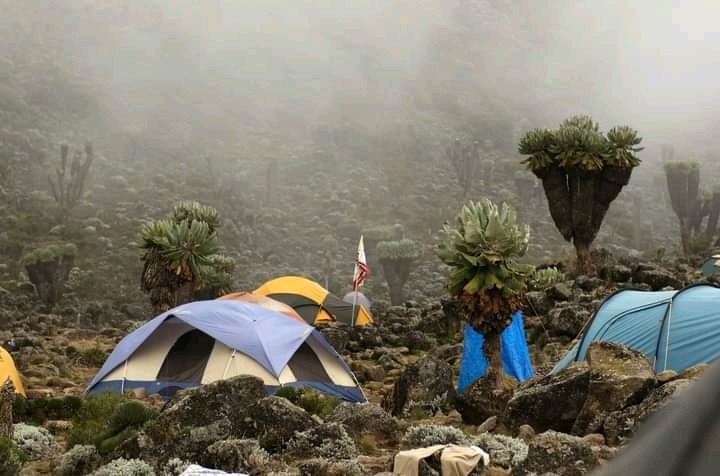
- Diverse Habitats: The trek takes you through four distinct climate zones, starting in the lush Montane Forest, transitioning to the open Heathland and Alpine Desert, and culminating in the Arctic Summit zone. This rapid change in scenery provides a varied and memorable experience.
- Gradual Slope: The path is well-defined with a more gentle incline, making the initial days of the climb less strenuous.
- Scenic Diversity: The route takes you through multiple climate zones, from lush rainforest to the arctic summit.
- Climb High, Sleep Low" Acclimatization: The optional hike on Day 4 helps your body adjust to the altitude, a proven strategy for preventing altitude sickness.
Overview
Overview of the 7-Day Machame Route
- Route: Machame Route
- Duration: 7 Days / 6 Nights on the mountain
- Starting Point: Arusha
- Difficulty: Moderate to Challenging
- Best For: Active travelers wanting good acclimatization and scenic trekking
- Summit: Uhuru Peak (5,895m)
- Drive from Arusha to Machame Gate
- Registration and trek briefing
- Hike through lush rainforest
Elevation:
1,800m to 3,000m
Overnight: Machame Camp
- Trek through moorland landscapes
- Expanding views of Kilimanjaro
Elevation:
3,000m to 3,840m
Overnight: Shira Camp
A key acclimatization day using the “climb high, sleep low” strategy.
Highlights:
- Lava Tower
- Giant senecio plants
- Barranco Valley views
Elevation:
3,840m to 4,630m, then descend to 3,960m
Overnight: Barranco Camp
- Climb the famous Barranco Wall
- Scenic ridges and valleys
Elevation:
3,960m to 4,035m
Overnight: Karanga Camp
- Alpine desert environment
- Final preparation for summit night
Elevation:
4,035m to 4,640m
Overnight: Barafu Camp
Midnight summit attempt to reach Uhuru Peak at sunrise.
Summit Highlights
- Stella Point
- Glaciers near the summit
- Sunrise over Africa
Elevation:
4,640m to 5,895m, then descend to 3,100m
Overnight: Mweka Camp
Descend through rainforest Receive summit certificates Transfer back to Arusha
Cost
The Cost Includes
- Kilimanjaro trekking according to the itinerary
- Professional, English-speaking guide
- Mountain crew (cook & porters)
- Overnight stays in mountain huts
- Meals according to the itinerary
- Drinking water, tea & coffee
- All national park fees
- Transfer from the hotel to the National park gate and back
The Cost Excludes
- International Flights
- Optional activities
- Alcoholic and soft drinks
- Visa fees
- Tips
- Personal spending money for souvenirs etc.
- Travel insurance
- Tipping suggestion $10 a day per vehicle. The tip should be handed to the driver/guide at the end of the
- trip
FAQs
While the Marangu Route is often called the “easiest” due to its gradual slope and hut accommodations, the 5-day itinerary is a very rapid ascent. This short duration can be more challenging for acclimatization, increasing the risk of altitude sickness and potentially making it harder to reach the summit. The 6-day Marangu itinerary, which includes an extra acclimatization day at Horombo Hut, is generally considered to be a more manageable option with a higher success rate.
The summit success rate for the 5-day Marangu Route is significantly lower than for longer routes. It is generally cited as being between 50-60%. This is primarily due to the limited time for climbers to acclimatize to the high altitude.
The cost can vary widely depending on the tour operator, the size of your group, and what is included in the package. Prices can range from approximately $1,500 to over $2,000 per person. This cost typically includes park fees, hut fees, food, water, and the wages for your guide and porters. Additional costs to budget for include flights, travel insurance, personal gear, and tips for the trekking crew.
The most difficult part of the climb is undoubtedly summit night (Day 4). The ascent from Kibo Hut to Uhuru Peak is a long and strenuous trek in the dark, with a steep incline and challenging terrain of loose volcanic scree or snow. The extreme cold, lack of oxygen, and physical exhaustion make this leg of the journey both physically and mentally demanding.
The main difference is the addition of an extra acclimatization day. In the 6-day itinerary, you spend an extra night at Horombo Hut (Day 3), allowing your body more time to adjust to the altitude. This extra day significantly improves your chances of a successful summit, often raising the success rate by 10-15% or more.